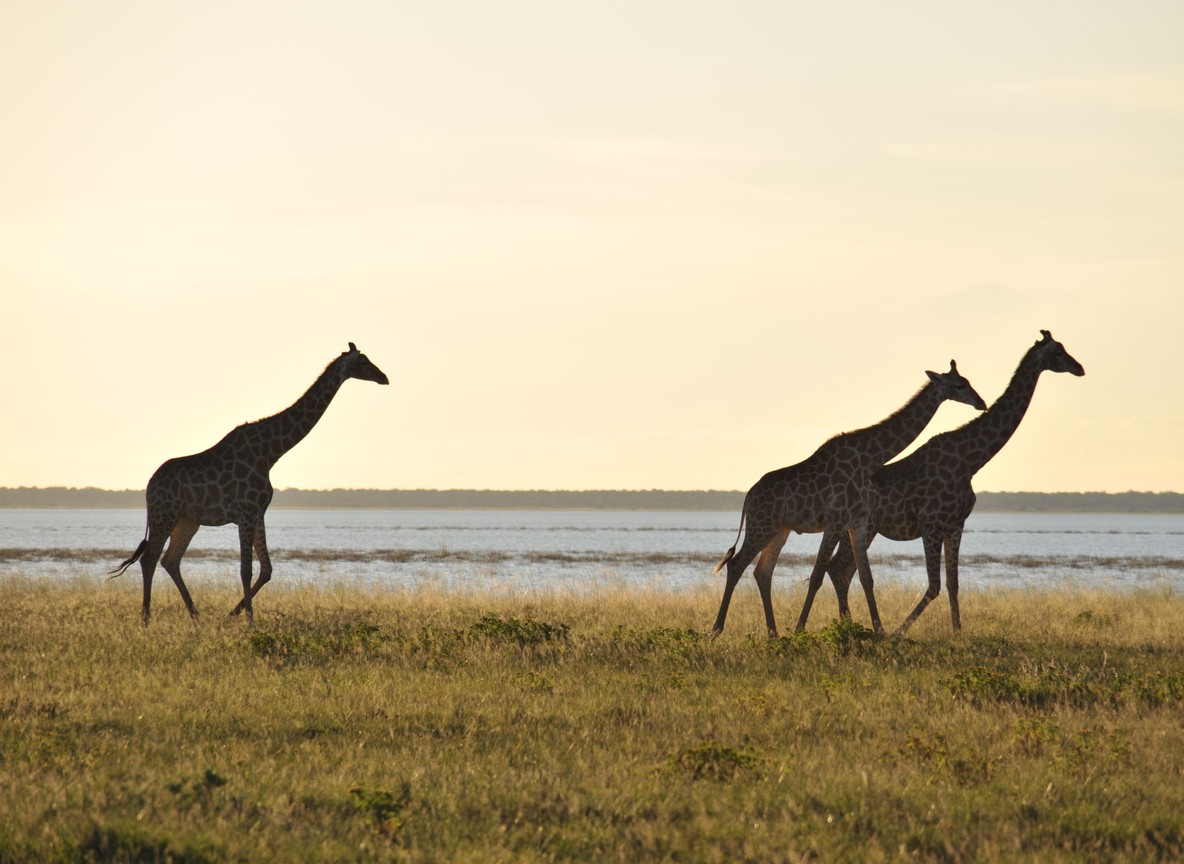
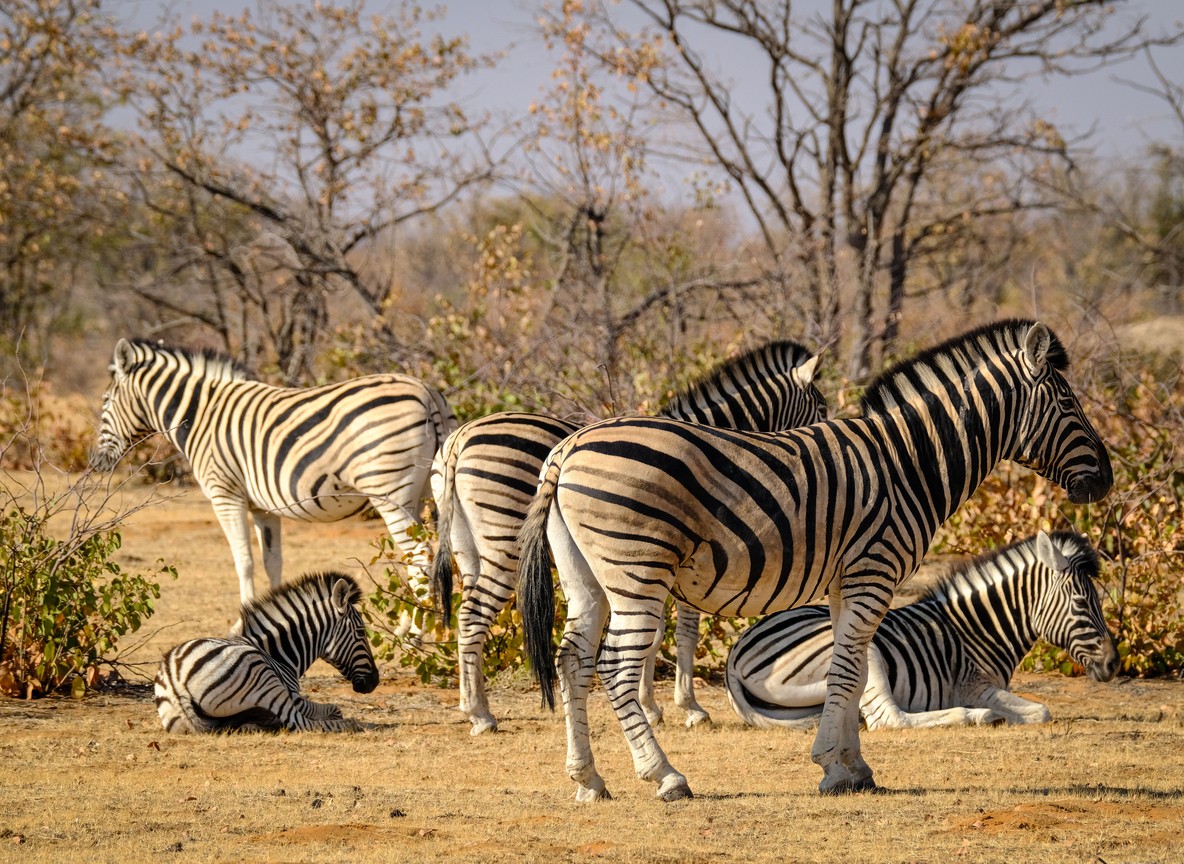
Most Kenya safaris put you behind glass for six or seven hours a day. Laikipia does something different. Several of its private conservancies let guests swap the vehicle for a mountain bike. Riders cover the same open country the animals use, with an armed scout riding alongside for exactly that reason.
This guide covers which Laikipia conservancies actually run guided cycling, what a ride feels like next to zebra and giraffe, and what it costs against a standard game drive package. Touring Insights put together the route and safety details below for travelers weighing an active add-on to a Laikipia stay.
What Makes Laikipia Different for an Active Safari
Laikipia sits north of Mount Kenya on a high plateau, mostly between 1,700 and 2,000 meters above sea level. That altitude keeps daytime temperatures milder than the lower Mara or Tsavo, and the terrain runs to open savanna, acacia scrub, and rolling ranch land rather than dense bush. Both factors matter for cycling. Cooler air and open sightlines let a scout spot wildlife well before a rider reaches it.
The region also differs in land ownership. Much of Laikipia is private or community conservancy, not national park. Individual landowners set their own activity rules, which is why cycling is possible here and essentially banned inside Kenya Wildlife Service parks like the Mara or Amboseli.
Why Guided Cycling Works Here and Not Everywhere Else
A bike safari is not a solo ride. Every conservancy that offers one pairs guests with an armed ranger or guide on a second bike, and most cap group size at four to six riders. Guides know which zones hold buffalo, elephant, or lion at a given time of year and route around them.
Predator density on these ranches sits lower than in the Mara ecosystem, and open grassland gives long visibility, often over a kilometer. That combination lets conservancies permit an activity that would be reckless in thicker bush. Riders still stay on cleared tracks and follow the guide’s lead exactly, since a bike moves faster and quieter than a vehicle and a startled animal reacts differently to it.
Where to Cycle: The Laikipia Conservancies That Run Bike Safaris
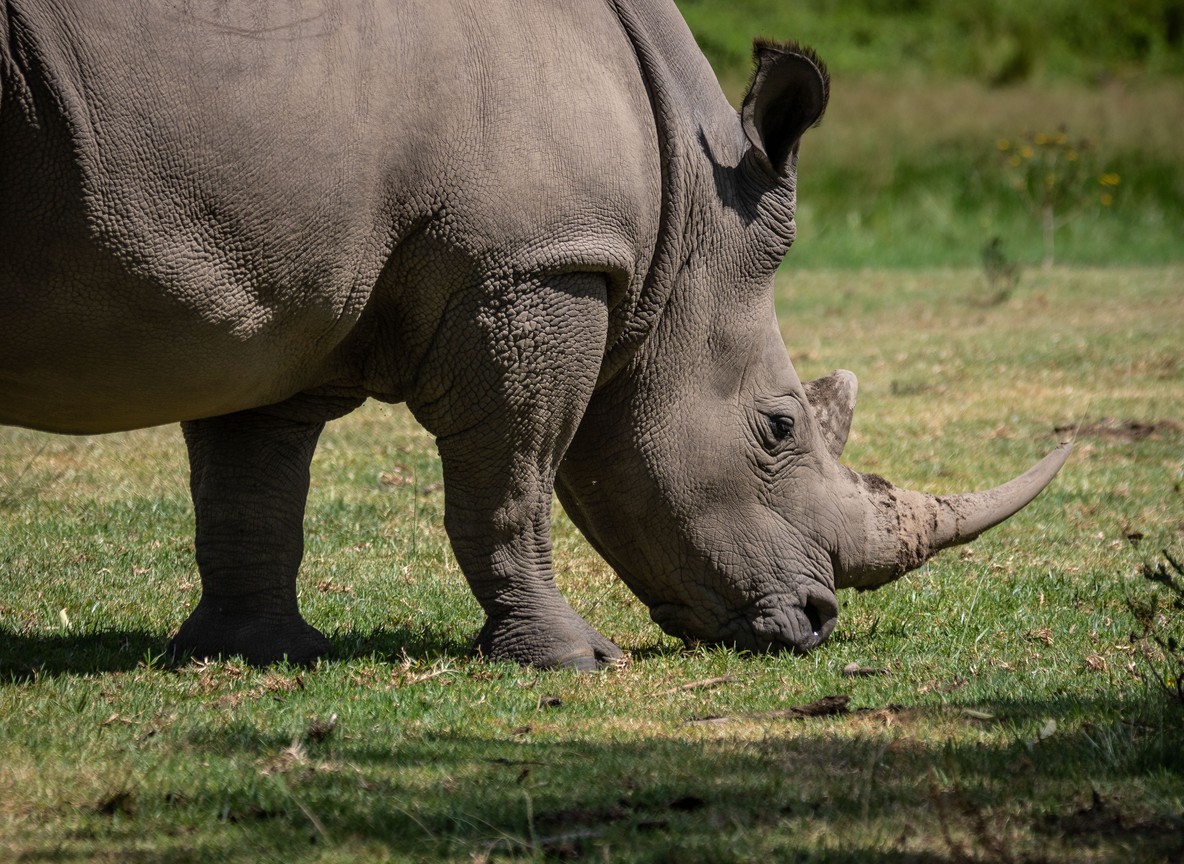
Borana Conservancy and Lewa Wildlife Conservancy share an open border and together hold one of the largest black rhino populations in Kenya. Both run structured cycling routes for guests staying at their lodges. Loisaba Conservancy, further west, offers rides across its plains toward the Ewaso Nyiro River. Ol Malo, a smaller family-run property on the plateau’s western edge, has offered guided biking for over a decade. Sosian and Enasoit, both working ranches turned conservancies, add cycling to their activity list for guests who ask.
Each conservancy limits routes to graded tracks it has scouted and approved, so a ride at Borana looks different from a ride at Loisaba even though both cross similar terrain.
Mountain Biking Safari Laikipia Kenya: Facts to Check Before You Book
| Conservancy | Size | Distance/Time from Nairobi | Biking Style | Indicative Rate (per person/night, all-inclusive) |
|---|---|---|---|---|
| Borana Conservancy | approx. 130 km2 (32,000 acres) | approx. 230 km road (5 hrs) or fly to Nanyuki (45 min) + 45 min transfer | Guided rides on cleared ranch tracks | USD 600-900 |
| Lewa Wildlife Conservancy | approx. 250 km2 (62,000 acres) | approx. 245 km road (5-6 hrs) or fly direct to Lewa Downs airstrip (55 min) | Escorted plains rides, rhino sanctuary zones excluded | USD 650-950 |
| Loisaba Conservancy | approx. 227 km2 (56,000 acres) | approx. 280 km road (6 hrs) or fly to Loisaba airstrip (60-65 min) | Riverine and plains trails toward Ewaso Nyiro | USD 550-850 |
| Ol Malo | private ranch, West Laikipia | approx. 300 km road (6.5 hrs) or fly via Nanyuki + road transfer | Escarpment and valley trails, family-friendly pace | USD 400-600 |
| Sosian | private ranch, Laikipia | approx. 260 km road (5.5 hrs) or fly to Nanyuki + 1 hr transfer | Ranch-track rides, flexible distance | USD 450-700 |
Nanyuki, the main gateway town, sits at roughly 1,950 meters elevation, about a 3.5 to 4 hour drive from Nairobi on tarmac before conservancy transfers begin. Scheduled flights from Wilson Airport reach Nanyuki in 45 to 50 minutes on most days.
Mountain Biking vs a Standard Game Drive: What Actually Changes
A game drive covers more ground and reaches predators safely at close range, since the vehicle acts as a shield most animals read as neutral. A bike safari, by contrast, covers less distance, usually 10 to 20 km over two to three hours, and stays away from the highest-risk species entirely.
What a bike adds is proximity to the landscape itself. Riders hear hoofbeats, wind, and birdcall instead of an engine, and grade changes in the land become physical rather than just visual. Most conservancies treat biking as one activity within a longer stay, paired with regular game drives and a walking safari rather than replacing them outright.
Fitness Level and Safety: What Guides Actually Do
Routes generally suit an intermediate rider comfortable on dirt tracks with some gradient, though several conservancies offer flatter, shorter loops for beginners or families. Electric-assist bikes are increasingly available at Borana and Loisaba for guests who want the wildlife exposure without the climbing effort.
Before any ride, the guide briefs the group on what to do if wildlife appears at close range, usually stop, stay grouped, and follow instructions rather than react independently. Routes avoid areas with recent lion or elephant activity, checked against the conservancy’s own daily wildlife reports. Helmets are mandatory at every property that runs the activity.
Best Time of Year to Ride
Kenya’s dry seasons, late June through September and again late December through February, give the firmest trail surfaces and clearest visibility across Laikipia’s plains. The long rains from March to May and short rains in November soften tracks and can close some routes entirely after heavy storms.
Morning rides, starting around 6:30 or 7 a.m., avoid the heat of the day and catch wildlife while it is still active near water points. Afternoon rides work in the cooler dry-season months but are less common in October through February when temperatures climb by midday.
How Much a Mountain Biking Safari Costs
Bike safaris rarely carry a separate line-item fee. Nearly all conservancies fold cycling into the standard full-board rate for the lodge, alongside game drives and walking safaris. The bikes and guiding scouts are simply part of the property’s existing activity roster. Conservancy fees, typically USD 60 to 100 per person per night depending on the property, apply on top of the room rate regardless of which activities a guest chooses.
Electric-assist bike rental, where offered, sometimes carries a small supplement. Ask directly when booking, since policies vary by lodge and season.
Explorer Notes: What First-Timers Get Wrong
Riders often assume a bike safari means covering the whole conservancy in one outing. In practice, guides keep routes shorter and more deliberate than a driving circuit, prioritizing safety over distance covered. Expect two or three genuine wildlife stops per ride rather than a marathon loop.
Pack padded cycling shorts even for a single ride. Laikipia’s tracks are firmer and bumpier than paved roads, and a two-hour ride on an unfamiliar saddle is memorable for the wrong reasons without one. Bring sunglasses and a buff or bandana for dust, since dry-season tracks kick up more than riders expect. Book the ride for your second or third morning at a property, not the first. Guides read a rider’s comfort level better after one game drive together, and route choice improves for it.
FAQ: Mountain Biking Safaris in Laikipia
Is mountain biking near wildlife actually safe? Every conservancy that offers it pairs riders with an armed scout and restricts routes to open, pre-checked terrain. No outdoor activity in wildlife country removes all risk, so following the guide’s instructions exactly matters more than fitness level.
Do I need to be an experienced cyclist? Most routes suit an intermediate rider, but Borana, Loisaba, and Ol Malo all offer shorter, flatter loops and electric-assist bikes for beginners or families with older children.
Which Laikipia conservancy is best for a first bike safari? Ol Malo and Sosian run gentler, more flexible routes suited to first-timers. Borana and Lewa offer longer rides across bigger landscapes for guests who already feel comfortable on a bike.
Can children ride on a Laikipia bike safari? Policies vary by property and depend on the child’s age and riding ability. Most lodges set a minimum age around 12, though some allow younger children on flatter, shorter routes with a guide close by.
Does biking replace game drives on a Laikipia itinerary? No. Every conservancy on this list treats cycling as one activity among several, usually one or two rides across a multi-night stay alongside standard game drives and walking safaris.
Ready to build an active Laikipia stay around a bike safari? Check Touring Insights’ Tour Packages page for operators who already route through Borana, Lewa, or Loisaba, so the conservancy fees and activity bookings are arranged before you land at Nanyuki.