If you are weighing Masai Mara versus Amboseli elephants, the short answer is clear: Amboseli is the better park for elephant-focused travel. But the longer answer is more useful. The two parks reward visitors in different ways. Amboseli offers predictable, close-up elephant viewing. The Masai Mara offers elephants as part of a bigger wildlife picture that includes predators and the Great Migration. This comparison explains what each destination does best.
Which Park Wins for Masai Mara Versus Amboseli Elephants?
Amboseli is the clear choice for dedicated elephant viewing. Its herds are more concentrated and routinely visible around wetlands and dry lake areas. Elephants in the Masai Mara are resident, but they are not the reserve’s main attraction. Choose the Mara for predators and migration, not primarily for elephants.
| Factor | Amboseli National Park | Masai Mara National Reserve |
|---|---|---|
| Elephant focus | High; elephants are the main draw | Moderate; elephants are resident but secondary |
| Typical sighting | Family herds near swamps and open plains | Scattered groups in woodland and savannah |
| Famous backdrop | Kilimanjaro, when clouds clear | Rolling grassland and riverine trees |
| Strong months for elephants | Year-round; dry seasons June to October and January to February | Year-round, with no clear elephant peak |
| Peak safari months | June to October, January to February | July to October for migration and predators |
| Photography strengths | Open light, dust, silhouettes, tuskers | Predators, river action, all-round wildlife |
These differences come down to habitat. Amboseli is an open basin with permanent swamps, so elephants gather where water and green grass are reliable. The Mara is rolling savannah cut by rivers and woodland. Elephants there often move in smaller groups along cover, making encounters less predictable.
Which Park Has More Elephants: Amboseli or Masai Mara?
Amboseli offers the stronger combination of large family groups, mature bulls, and relaxed behavior around safari vehicles. The Amboseli Elephant Research Project has followed individual families for decades, contributing to exceptional knowledge of their movements and social lives. Mara elephants can be rewarding, but sightings are generally less predictable and less elephant-focused.
The open landscape is part of the story. In Amboseli, you can often watch several elephant families at once, spread across the grassland. You may also see big tusker elephants in Kenya’s Amboseli region. These old bulls have long tusks that researchers can often recognize on sight.
The Masai Mara has a healthy elephant population, but you will usually meet these animals in smaller numbers. A river bend or a patch of woodland may hold a family group, while the rest of the reserve appears empty of elephants. That does not mean the Mara is poor for elephants. It means the experience is less consistent.
Where Are Elephants Easiest to Find and Photograph?
In Amboseli, elephants are often easiest to find near permanent or seasonal wetlands, especially when dry conditions draw wildlife toward reliable water and forage. Open plains can produce uncluttered photographs, while Kilimanjaro may provide the iconic background when clouds clear. In the Mara, riverine woodland and broader terrain can make sightings more opportunistic.
In Amboseli, focus on the central and eastern swamps. During dry months, families come to drink, feed, and rest near the water’s edge. The nearby Kimana Sanctuary, a community wildlife area, also forms part of the route elephants use as they move between Amboseli and other wild landscapes.
In the Mara, elephants appear along the Mara and Talek rivers, in patches of woodland, and on open plains when moving between feeding areas. A skilled guide makes a big difference. Drivers who read the terrain and listen to local reports can find elephants more reliably than those who simply follow the main tracks.
What Is the Best Time to See Elephants in Amboseli and Masai Mara?
Amboseli usually offers strong elephant viewing year-round. The dry seasons, from June to October and January to February, make animals easier to locate near water. The Mara also has resident elephants throughout the year, but July to October is chosen mainly for migration and predator action. Elephant viewing should not be confused with migration timing.
If the best time to see elephants in Amboseli is your main question, plan around the dry seasons. Water becomes limited, so elephants concentrate at the swamps and other permanent sources. The long rains in April and May can scatter animals more widely and make driving slower.
In the Mara, elephant viewing stays fairly steady through the year. Do not assume the Great Migration means more elephants. The migration involves wildebeest and zebra, not elephants, and river crossings are a completely separate wildlife event.
Which Park Is Better for Elephant Photography?
Amboseli is better for elephant photography when the priority is herd behavior, silhouettes, dust, tuskers, or a possible Kilimanjaro backdrop. The Mara is better when elephants are part of a broader wildlife portfolio including lions, leopards, cheetahs, river scenes, and migration action. In either park, early light and patient driving produce the best results.
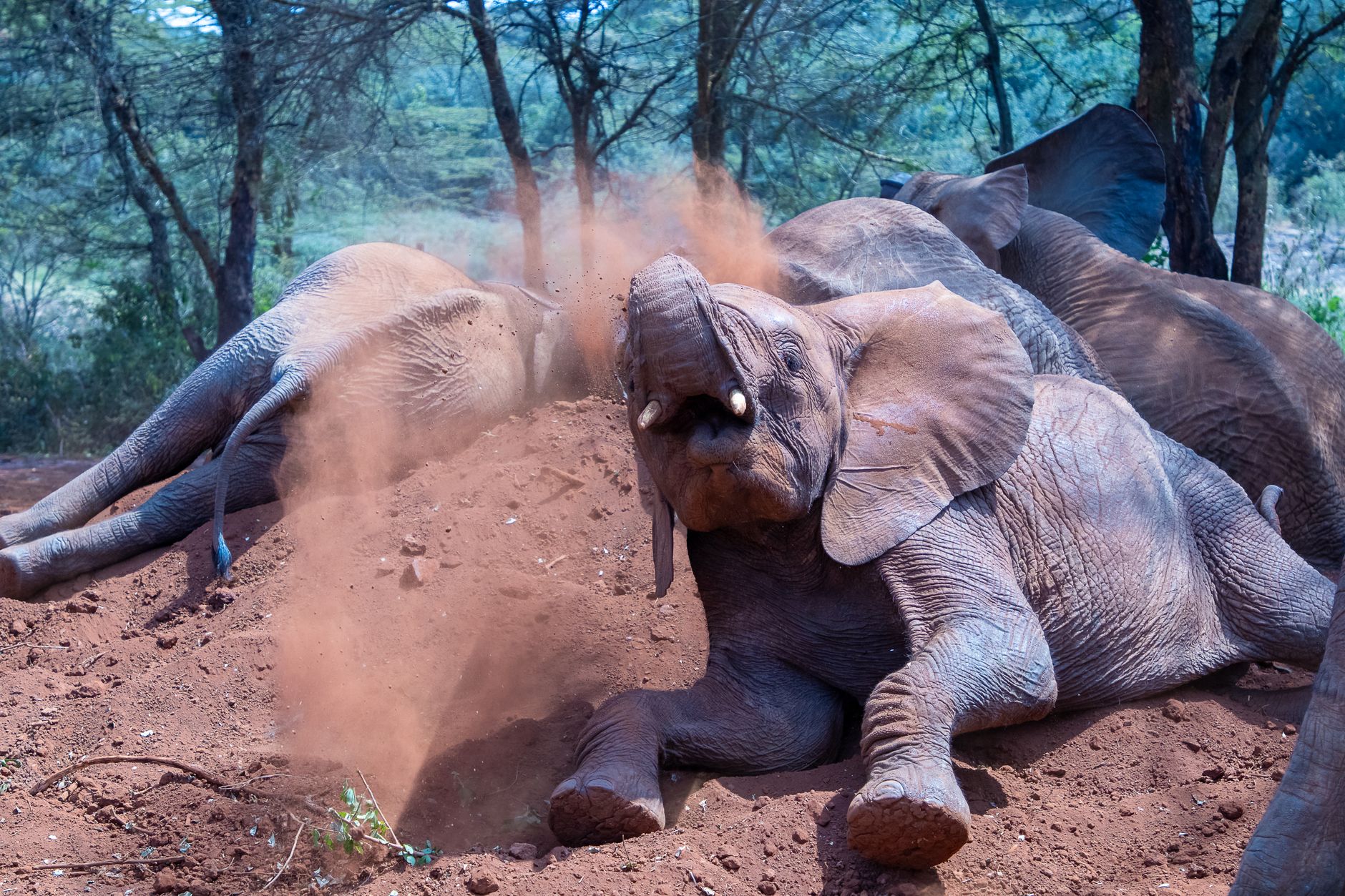
For elephant photography Kenya travelers tend to rate Amboseli above the Mara. The short grass and open horizons give you clean backgrounds and less visual clutter. Dust kicked up by moving herds can create dramatic light in the late afternoon.
The Kilimanjaro backdrop is the prize shot, but it depends on weather. Clouds often cover the mountain in the morning and clear later. For practical details on when the peak is visible behind the elephants, check our guide to Kilimanjaro visibility from Amboseli before you set your itinerary.
In the Mara, elephant images often include riverine forest or savannah scenes. You may also get a single tusker walking across a ridge. The images are beautiful, but the elephant-only portfolio is thinner.
What Other Wildlife Can You See Alongside Elephants?
Amboseli combines elephants with large concentrations of zebra, wildebeest, giraffe, buffalo, hippo, and many birds, although predator encounters can be less consistent. The Masai Mara provides a more complete predator experience, with especially strong opportunities for lions, cheetahs, leopards, hyenas, and seasonal wildebeest drama. The best choice depends on whether elephants or predator diversity leads the itinerary.
Amboseli has plenty of wildlife beyond elephants. You will see hippos in the swamps, buffalo on the plains, and large groups of zebra and wildebeest. Lions and cheetahs live there too, but they are not as visible as in the Mara.
The Mara is one of Kenya’s best places for predators. Lions rest on rocky outcrops, cheetahs use the open grass to hunt, and leopards hide in riverine woodland. If the Big Five matter to you, the Mara is usually the stronger base. You can also pair the two parks if you want both elephants and predators.
How Do Conservancies and Conservation Shape the Elephant Experience?
Amboseli’s elephant experience is closely linked to long-term research, protected wetland habitat, and wildlife movement beyond the park boundary. Around the Mara, private conservancies can offer quieter drives, controlled vehicle numbers, and access to broader wildlife habitat. They do not turn the region into an Amboseli-style elephant destination. Conservation fees and community benefits are part of the travel decision.
Amboseli is home to the Amboseli Elephant Research Project, one of the longest running studies of wild elephants. Because researchers have identified families and bulls over many years, guides share a deep knowledge of individual animals and their behavior.
Nearby Kimana Sanctuary matters for conservation, not only for viewing. It is part of a movement corridor that allows elephants to travel between protected areas. Supporting well-managed tourism there helps keep those routes open.
The Mara conservancies, such as Mara North and Olare Motorogi, control vehicle numbers and allow richer wildlife experiences. They are excellent for predators and general game viewing, but they do not make the Mara an elephant destination. Before a trip, check Amboseli conservation fees so you know what to expect. For a wider view of community land management in Kenya, read how Kenyan community conservancies support wildlife.
Which Park Should Elephant-Focused Travelers Choose?
Choose Amboseli if elephants are the main reason for the safari, especially if you want close family groups, big tuskers, calmer viewing, and mountain photography. Choose the Masai Mara if elephants are one interest among many and predators, migration, or a larger all-round wildlife experience matter more. Travelers with enough time can combine both for complementary experiences.
The most honest advice is to let your priority lead. If a safari is not complete without seeing big tuskers and relaxed herds, give Amboseli at least a couple of full days. If you can imagine leaving Africa satisfied after a lion kill and a river crossing, the Mara will likely deliver that.
You can also build a combined itinerary. Start in Amboseli for elephants and Kilimanjaro views, then move to the Mara for predators and migration. You will see two very different sides of Kenya, and the elephant question stops being an either-or. For more details, read our Masai Mara safari guide and our Amboseli safari guide.
What Are the Frequently Asked Questions About Masai Mara Versus Amboseli Elephants?
These are the most frequent questions travelers ask when comparing the two parks. They cover herd size, the better destination for elephants, and whether elephants live in the Masai Mara. Other questions include where to find big tusker elephants in Kenya and the best time to see Amboseli elephants. Short, practical answers follow.
Which Park Has More Elephants, Amboseli or Masai Mara?
Amboseli is generally the better park for seeing more elephants in concentrated, visible herds. The Masai Mara has healthy resident elephants. They are not as consistently encountered as in Amboseli, where elephant viewing is the destination’s defining wildlife experience.
Is Amboseli or Masai Mara Better for Elephants?
Amboseli is better for elephants. It is known for large family herds, mature tuskers, relaxed behavior, and open photographic settings. The Masai Mara is stronger for lions, leopards, cheetahs, and the Great Migration.
Are There Elephants in the Masai Mara?
Yes, elephants live in the Masai Mara year-round and can be seen in woodland, riverine, and open savannah habitats. They are resident animals rather than migration participants, and sightings may be less predictable than in Amboseli.
Where Can I See Big Tusker Elephants in Kenya?
Amboseli is one of Kenya’s best destinations for big tusker elephants and is especially associated with large, recognizable bulls. The park’s long-running elephant research and open landscapes also make it a strong place to observe family structure and individual behavior.
What Is the Best Time to See Elephants in Amboseli?
Elephants can be seen in Amboseli throughout the year. June to October and January to February are particularly useful because drier conditions concentrate wildlife near water and improve visibility. Weather and local movement still influence each day’s sightings.
Where Can You Compare Safari Operators for These Parks?
The right booking partner depends on your itinerary, budget, and preferred camp style. A good way to start is to compare safari operators side by side. FindMySafari, Valley Safaris, and Trunktrails Safaris list packages for both Amboseli and the Masai Mara, including combined itineraries.
Browse packages with elephants in mind. Ask how many game drives are included, whether the park is Amboseli or the Mara, and whether the operator offers a combined route. That makes the choice easier, and it keeps the focus on the wildlife you want to see.
Where Can You Find More Safari Planning Resources?
These outside guides add extra detail on Amboseli maps and destination planning for travelers building a fuller itinerary.
- Amboseli map and guide from SafariPure
- Amboseli National Park guide from Trunktrails Safaris
- Map of Amboseli from Valley Safaris
- Amboseli destination guide on FindMySafari