October sits between Kenya’s dry season and the short rains. A Masai Mara safari in October rewards travelers who understand that shift. Early in the month you can still find migration herds. By late October, the focus moves to resident wildlife, emptier roads and possible late-day showers. This guide arranges the key facts into a practical checklist for weather, wildlife, crowds, conservancies and packing.
Is a Masai Mara Safari in October Right for You?
Yes. A Masai Mara safari in October is one of the strongest month choices for wildlife. Dry-season visibility, concentrated animals and the final phase of the Great Migration often overlap. Choose early October for better migration odds, or late October for fewer vehicles, lower shoulder-season pressure and strong resident predator sightings.
For a full month-by-month comparison, see the best time to visit the Masai Mara.
Before you commit, run this three-point checklist:
- Define your target sighting. If river crossings are a must, aim for July through September or flexible early-October dates.
- Choose early October if you want the strongest remaining chance of seeing migration herds.
- Choose late October if you value quieter vehicles and a shoulder-season feel over guaranteed migration action.
These three choices shape almost every other decision below.
What Is the Masai Mara Weather in October?
October is generally warm and mostly dry, with daytime temperatures around 25 to 30 degrees Celsius and cooler mornings and evenings. Short rains can begin in the second half of the month, usually as brief afternoon or evening showers. Roads remain usable most days, but a waterproof layer and capable four-wheel drive are sensible.
Early October often behaves like the dry season. Grass is short, dust is common and the light is clear. Around the third week, clouds can build and showers may settle the dust for an hour or two. The showers rarely stop a full game drive, but they can soften a few tracks, especially on minor roads.
Use the weather as a planning tool. If you book late October, add a lightweight rain jacket and ask your camp about road conditions before each drive.
Is the Great Migration Still in the Masai Mara in October?
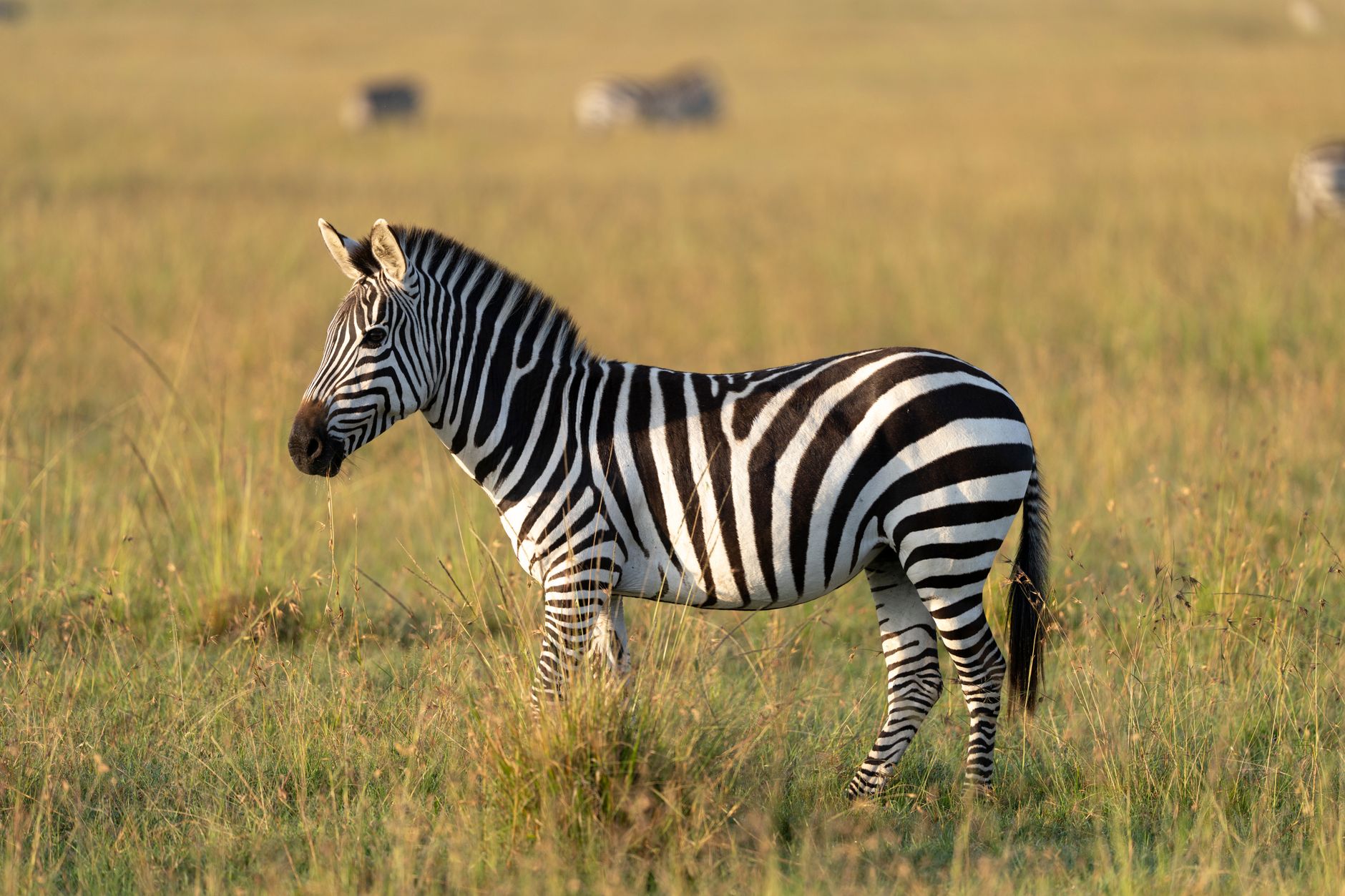
The Great Migration can still be present in October, but sightings become less predictable as wildebeest and zebra begin moving toward the Serengeti. River crossings are less reliable than in July through September. Lions, cheetahs, leopards, elephants and resident herbivores remain excellent targets because dry grass improves visibility and prey is concentrated.
Think of October as the break-up month for the herds. Some groups remain around the Mara River in early October. Others stream south through the outer Mara and out of the reserve. A guide who checks daily wildlife reports is your best tool for finding the action.
Masai Mara river crossings in October are possible, but treat them as a bonus rather than the main goal. Smaller groups may cross side rivers, not the large crossing points of August. A flexible morning-and-afternoon plan works better than one tied to a single river location.
Are Crowds Lower in the Masai Mara in October?
October usually becomes quieter than the busiest July-to-September period, especially toward the end of the month. Early October can still be busy, though, and priced as high season. A conservancy stay may offer fewer vehicles and more private sightings, while reserve access keeps major Mara River areas within reach.
Vehicle pressure depends on where the herds are. When large herds stay inside the reserve, tour vehicles follow. If crowd control matters to you, read our guide on avoiding migration crowds in the Masai Mara before you book.
Costs are less consistent than weather. Camps set their own seasons, and many keep high-season rates for most of October. Others shift to shoulder-season pricing after the middle of the month. Ask each operator to state exactly which dates count as high season and what fees are included before you compare packages.
Where Should You Stay in the Masai Mara in October?
For October, combine a conservancy such as Olare Orok, Olare Motorogi or Mara North with access to the Masai Mara National Reserve. Add reserve time when migration activity justifies the drive. Conservancies can offer quieter sightings and permitted off-road driving, while the reserve provides broader access to public wildlife areas and potential river activity.
The Maasai Mara conservancies share a simple logic. They limit vehicle numbers, keep bed counts moderate and often allow drivers to leave the main tracks in defined areas. That can make predator sightings feel calmer and more personal. Camps inside the reserve sit closer to the Mara River and the classic open plains. They share public roads, though, with more vehicles on busy days.
A useful strategy is to base yourself in a conservancy and drive into the reserve when the herds are near the river. Ask your operator for a daily plan that keeps both options open. Conservancy fees often support local communities and wildlife management, but the structure differs by property. Ask each camp to explain its conservation claims before you trust the label.
What Should You Pack for a Masai Mara Safari in October?
Pack layered clothing, a warm fleece for dawn, a hat, sunscreen, binoculars, closed shoes, insect repellent and a lightweight waterproof jacket for late-month showers. Schedule early-morning drives for cool light and active predators, then use afternoon drives flexibly because showers, road conditions and animal movements can change quickly.
Your core packing list is simple:
- Bring long trousers, long-sleeved shirts and a fleece for the morning drive.
- Add sun protection, including sunglasses and sunscreen, because midday UV is strong.
- Choose closed shoes that can handle dust and light mud.
- Pack binoculars, camera gear and spare camera batteries.
- Carry a small daypack with water, snacks and your waterproof layer.
For the full kit, start with our Kenya safari packing list and adjust it for October.
Plan one drive from first light to mid-morning, then rest during the hottest part of the day. Plan a second drive from late afternoon into dusk. In October, ask your guide to check where rain fell recently so you can move toward fresh grass and water. Flexible routes work better than fixed plans.
Your Next Step
Your single most useful action is to write down a preferred date window and a wildlife priority before you compare packages. With that decision in hand, compare safari operators at FindMySafari, Valley Safaris or Trunktrails Safaris. Ask each one about vehicle rules, guide experience and included entry fees. Before you pay, run basic checks on any operator so your October package matches the expectations in this checklist. You can also compare options directly with TouringInsights at touringinsights.com.
More safari planning resources
- Maasai Mara interactive map from SafariPure
- Masai Mara Great Migration guide from Trunktrails Safaris
- Best time to visit Kenya month-by-month map from Valley Safaris
- Masai Mara destination guide on FindMySafari