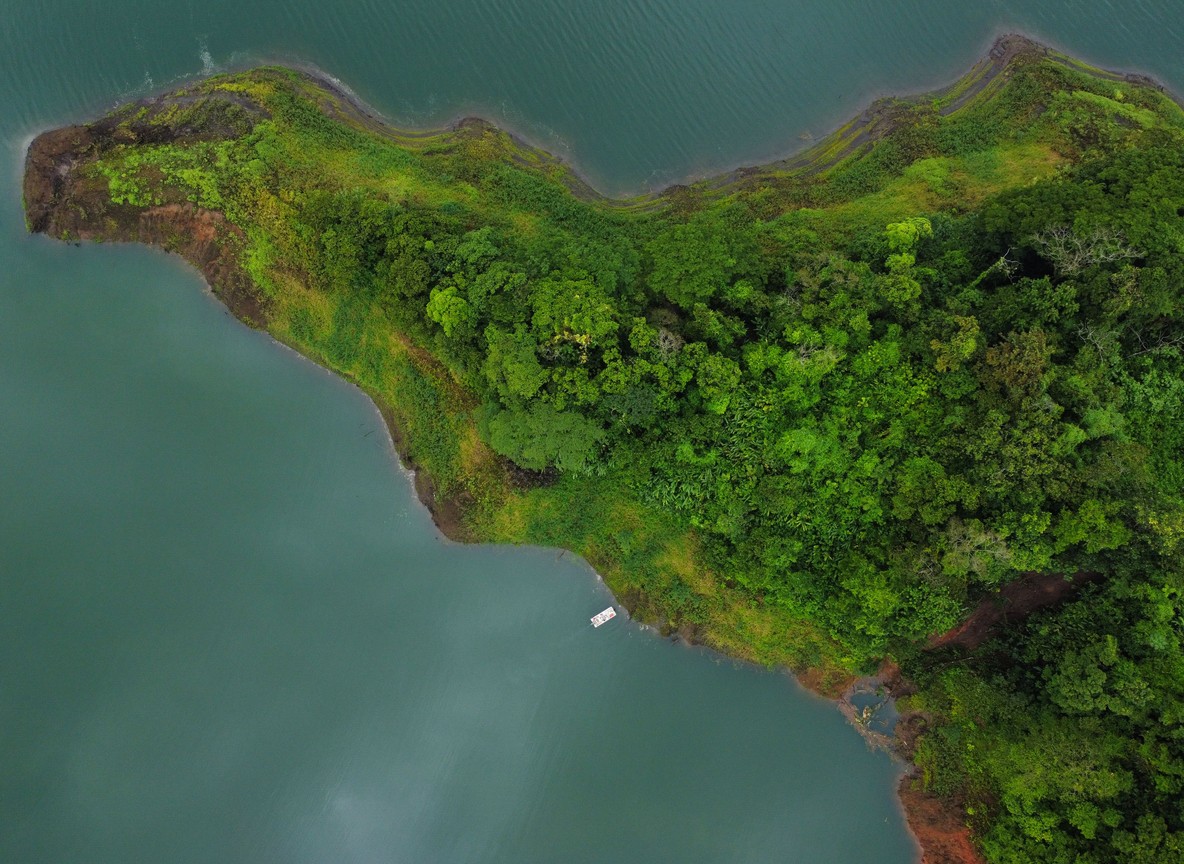
Magashi Camp sits on its own peninsula, with water on three sides and no other lodge in sight. Wilderness opened it in June 2019 as its first camp in Rwanda, on a finger of land jutting into Lake Rwanyakazinga in northern Akagera National Park. It is small by design, just six tented suites. The view looks out over one of the quietest corners of a park that now holds lion, leopard, elephant, buffalo, and rhino. Touring Insights breaks down what the camp actually offers, what it costs, and how it stacks up against Akagera’s other lodges before you book.
What Is Magashi Camp?
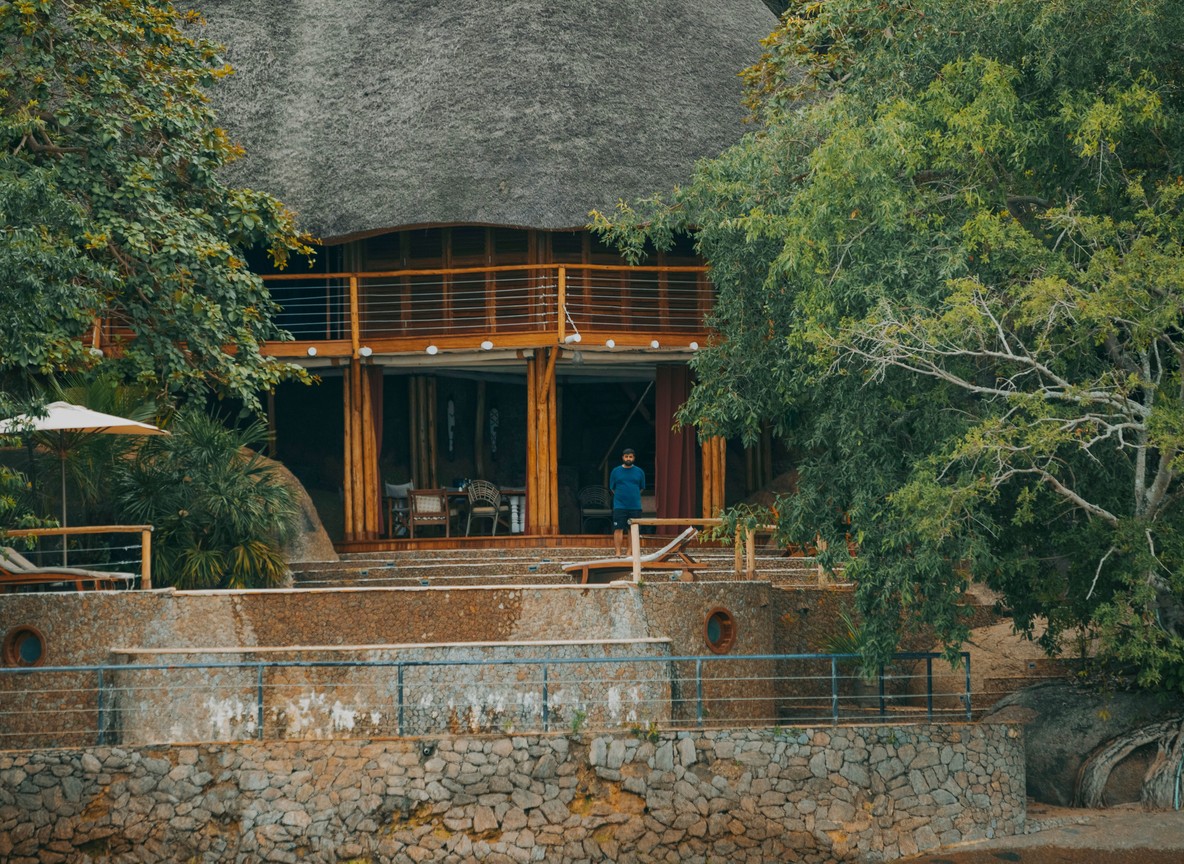
Magashi is an ultra-luxury tented camp built and run by Wilderness, the same operator behind Bisate Lodge near Volcanoes National Park. Six guest tents face the lake, each raised on a private deck with canvas walls that fold back to open the room to the view. One tent sleeps a family of four. The camp runs on solar power and draws staff mostly from villages bordering the park, a model Wilderness uses across its African properties. There is no fence between camp and bush. Hippos graze the shoreline at night, and guides walk guests between tents after dark.
The camp opened in June 2019, making it one of the newer additions to Rwanda’s safari map. Akagera Game Lodge and Ruzizi Tented Lodge had already established the park’s southern circuit by then.
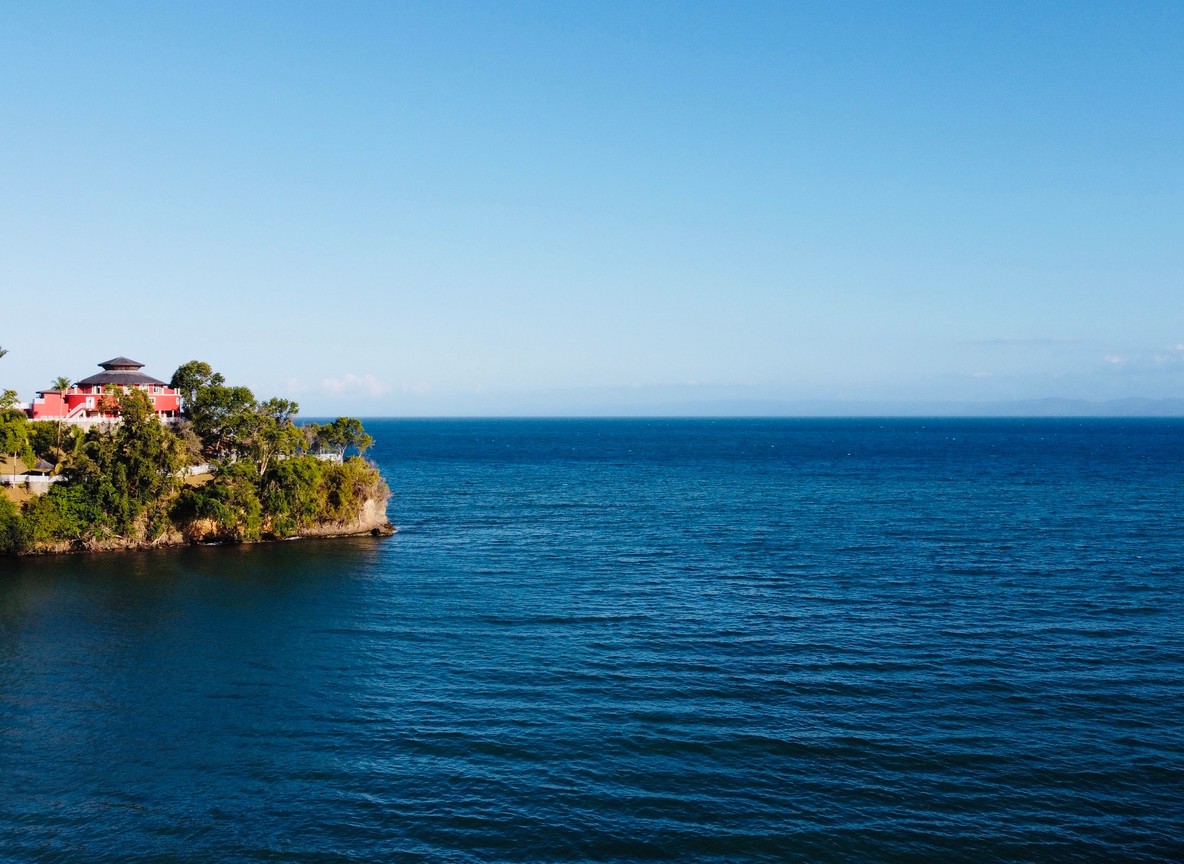
Its arrival gave Wilderness a foothold in Rwanda to match its long-standing camps in Botswana, Zimbabwe, and Kenya. The build uses canvas, timber decking, and thatch rather than permanent brick structures. That choice keeps the footprint light on a peninsula shared with grazing antelope and resident hippos.
Where Magashi Sits Inside Akagera National Park
The Magashi Peninsula reaches into Lake Rwanyakazinga, Akagera’s second-largest lake after Lake Ihema. It sits in the park’s northern sector, away from the busier southern entrance most day visitors use. That location puts the camp closest to the plains where black rhinos were released after their 2017 and 2019 reintroductions. Akagera covers roughly 1,122 km2 today, down from about 2,500 km2 before the 1997 boundary changes. The northern section around Magashi holds open grassland, papyrus swamp, and acacia woodland, all within a short drive of camp.
The Kagera River, which gives the park its name, runs along the eastern boundary and marks the border with Tanzania. Lake Rwanyakazinga connects by a narrow channel to Lake Ihema further south, and the two lakes together hold most of the park’s hippo and crocodile population. African Parks has managed Akagera jointly with the Rwanda Development Board since 2010. That partnership funded the fencing and ranger network that made a camp like Magashi possible on an unfenced peninsula.
Rooms and Life at Camp
Each tent runs on generous space, with an indoor and outdoor shower, a plunge pool on the deck, and a sitting area facing the water. The central mess tent and bar sit at the peninsula’s tip, giving every meal a view across the lake. Meals lean on Rwandan ingredients, and the small guest count means the kitchen can accommodate most dietary requests without much notice. Wi-Fi is available in common areas but patchy, which suits a camp built around watching the lake rather than a screen.
Game Drives, Boat Trips, and What to Do
Magashi runs two game drives most days, timed for the cool hours around sunrise and sunset. Guides track rhinos and lions using ear-notch and collar records shared across the park’s monitoring program. A boat safari on Lake Rwanyakazinga is included in most stays, covering hippos, crocodiles, and a strong variety of waterbirds. Akagera’s papyrus swamps hold shoebill storks, a rare sighting that draws serious birders on its own. Night drives are available too, a rarity in Rwanda’s national parks, and give a real shot at leopard or serval.
Magashi Camp vs Other Akagera Lodges
| Property | Style | Location | Indicative rate (pppn) |
|---|---|---|---|
| Magashi Camp (Wilderness) | Ultra-luxury tented, 6 suites | Magashi Peninsula, northern Akagera | USD 700-1,000+, all-inclusive |
| Ruzizi Tented Lodge | Luxury tented, 9 tents | Lakeshore near Lake Ihema, south | USD 300-500 |
| Akagera Game Lodge | Mid-range hotel-style, pool | Hilltop near Lake Ihema, south | USD 100-200 |
| Karenge Bush Camp | Budget tented, self-catering option | Northern Akagera | USD 50-100 |
Rates shift by season and booking channel, so confirm current pricing with the property or a partner operator. Magashi sits apart from the other three, all of which cluster near Lake Ihema in the south. That distance is the trade-off for privacy, longer transfer, higher cost, but closer access to the northern rhino range.
Getting to Magashi Camp: Distances, Routes, and Fees
Most guests fly into Kigali International Airport, then transfer by road. Kiyonza Gate, the main southern entrance, sits about 108 km from Kigali, a 2.5-hour drive on paved and gravel road. Reaching Magashi itself adds another hour or more of driving inside the park, since the camp sits well north of that gate. Wilderness arranges private road transfers for guests, and some itineraries route through the park’s interior roads rather than backtracking to the gate. Entrance fees run USD 100 per adult and USD 50 per child for international non-residents. East African Community residents pay USD 50 and USD 30.
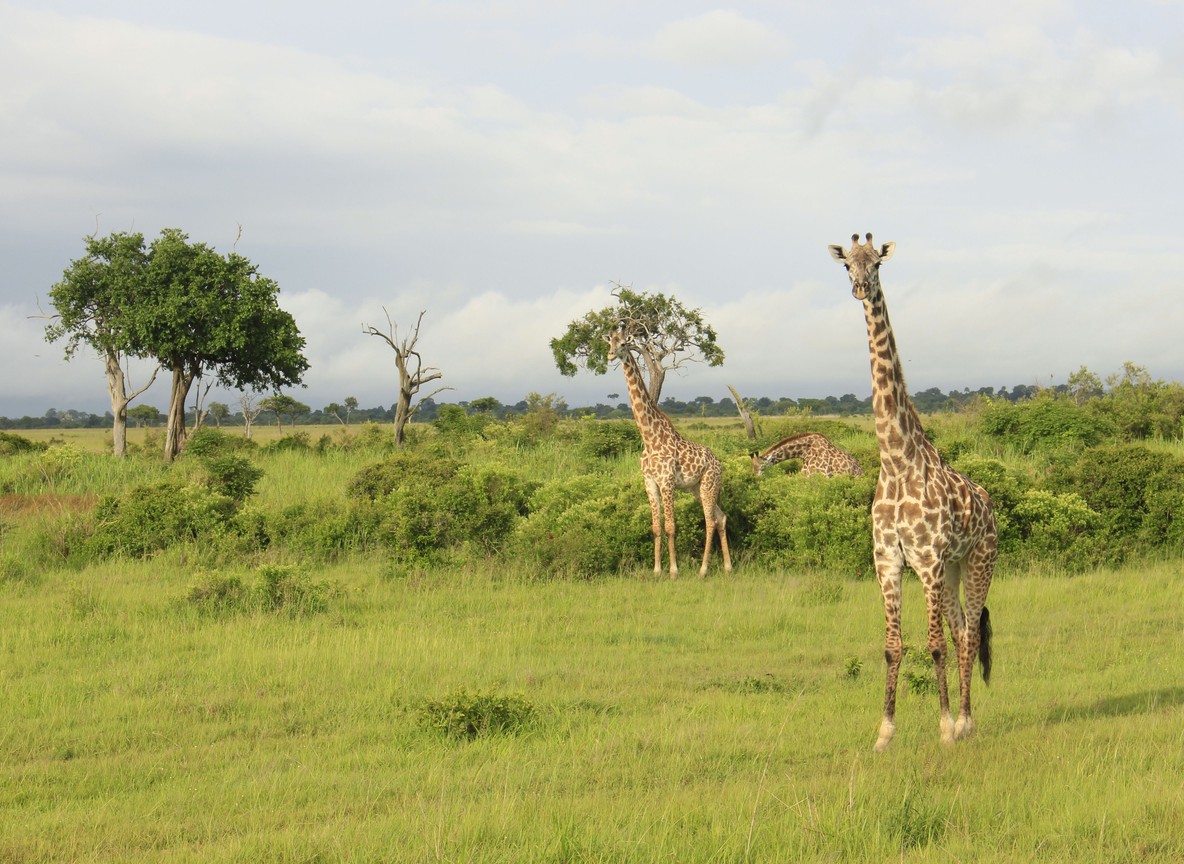
Unlike Rwanda’s gorilla parks in the west, Akagera does not require a domestic flight. The short distance from Kigali makes the drive the standard option. Most Magashi itineraries build in the transfer as a game drive in its own right, since the park road passes through open savannah for much of the route.
Travelers often combine Magashi with gorilla trekking in Volcanoes National Park. Akagera works well as a two or three night add-on before or after the mountain leg of the trip. The two parks sit roughly four to five hours apart by road.
Best Time to Visit Magashi Camp
Akagera stays drivable all year, unlike Rwanda’s mountain parks. The long dry season, June through September, thins the grass and pulls wildlife toward the lakes, making it the strongest window for game viewing from Magashi. A shorter dry spell in December and January offers similar conditions. The long rains fall March through May, when interior roads soften and some game drive routes near camp become harder to reach. Birders should note the dry season also brings migratory species to the lake edge, adding to the resident shoebill and fish eagle population.
Booking Magashi Camp: Rates and What’s Included
Rates fall in the USD 700 to 1,000-plus per person per night range, all-inclusive of meals, house drinks, and two guided activities daily. That figure moves with season and room type, and Wilderness periodically updates published rates, so treat it as an indicative range rather than a quote. Most bookings run through Wilderness directly or through a partner operator handling the wider Rwanda itinerary. Because the camp holds only six tents, availability during the June to September peak books out months ahead.
Explorer Notes
Ask for a tent on the peninsula’s northern arm if privacy matters most. It sits furthest from the mess tent and catches the best morning light over the lake. Pack a warm layer for the boat safari. Mornings on open water run cooler than the game drive vehicle suggests. Guides here track individual rhinos by name. Asking which ones have been seen near camp that week often produces a better sighting than a generic request for “the rhinos.” Malaria prophylaxis is worth discussing with a travel clinic before this trip. Akagera’s lake margins carry higher mosquito activity than Rwanda’s highland parks.
FAQ
How many tents does Magashi Camp have? Six tented suites, one set up for a family of four, all facing Lake Rwanyakazinga.
Who operates Magashi Camp? Wilderness, previously known as Wilderness Safaris, the same operator behind Bisate Lodge near Volcanoes National Park.
How far is Magashi Camp from Kigali? About 108 km to the main gate, a 2.5-hour drive, plus roughly another hour inside the park to reach the peninsula.
Is Magashi Camp good for rhino and lion sightings? Yes. Its northern location puts it closest to the range where black rhinos were reintroduced in 2017 and 2019, and lions have ranged across the park since their 2015 reintroduction.
What does a stay at Magashi Camp cost? Indicative rates run USD 700 to 1,000-plus per person per night, all-inclusive. Confirm current pricing directly with Wilderness or a partner operator.
What to Read Next
- Curious how Akagera rebuilt its Big Five? Read Akagera National Park: How 70 Rescued Rhinos Rebuilt Rwanda’s Big Five.
- Pairing Magashi with gorilla trekking? See Rwanda vs Uganda Gorilla Permit Cost.
- Still deciding between countries? Compare in Kenya vs Rwanda: Safari Gorillas or Migration.
Magashi works best as one stop on a wider Rwanda circuit, paired with gorilla trekking in the west. Check the Tour Packages page for itineraries that combine Akagera with Volcanoes National Park, or ask a partner operator whether current availability at Magashi fits your dates.