Looking for Laikipia Safari Conservation Experiences That Matter?
Laikipia safari conservation experiences take many forms across this connected landscape of private ranches, private trusts, and community conservancies rather than one fenced national park. That model supports off-road driving, night drives, walking, horseback, and camel safaris. Conservancy fees and lodge income help fund rangers, habitat protection, grazing agreements, and community services.
This matters because you can see how tourism money flows. When you pay a conservancy fee at a private trust, part of it supports rangers, veterinary care, and land management. When you stay at a community-owned conservancy, more revenue may reach local schools, clinics, and grazing plans. Ask any operator to explain the ownership model before you book. A good operator will give a straight answer.
Which Laikipia Conservancies Are Best for Conservation Experiences?
Choose Ol Pejeta for major rhino and chimpanzee conservation. Choose Lewa or Borana for rhino monitoring and community programmes. Solio offers concentrated black and white rhino sightings. Loisaba suits wilderness and community-linked conservation. Il Ngwesi or Lekurruki give a more direct community-owned experience.
The table below is a starting point, not a fixed ranking. Each conservancy suits a different travel style.
| Conservancy | Ownership model | Main conservation focus | Best for |
|---|---|---|---|
| Ol Pejeta Conservancy | Conservation trust and sanctuary | Black and white rhino protection, chimpanzee sanctuary, anti-poaching operations | Travelers who want flagship programs and reliable rhino sightings |
| Lewa Wildlife Conservancy | Private trust | Rhino monitoring, Grevy’s zebra, community programmes | Travelers who value long-term research and low-density guiding |
| Borana Conservancy | Private ranch turned conservancy | Rhino and wildlife conservation on working land | Travelers who want walking, riding, and connection to Lewa |
| Loisaba Conservancy | Private and community partnership | Wilderness protection, land restoration, community contracts | Travelers who want remote country and adventurous activities |
| Solio Ranch | Private sanctuary | High-density black and white rhino | Travelers who want straightforward rhino viewing |
| Il Ngwesi and Lekurruki | Community-owned conservancies | Pastoralist land stewardship, wildlife, cultural programs | Travelers who want revenue to flow directly to local communities |
What Conservation Experiences Can You Actually Do in Laikipia?
Visitors can join guided rhino tracking, ranger briefings, wildlife monitoring, conservation education visits, and selected anti-poaching or operations-room experiences. Walking safaris and night drives also show how conservancies protect wildlife beyond conventional daytime game viewing.
Be skeptical of brochures that promise hands-on conservation. In most cases, you are watching professionals work, learning from them, and contributing through fees. That can be deeply rewarding. It is different from scientific fieldwork. A transparent camp will explain exactly what you will do, who leads the activity, and why the program exists.
If you want time to absorb all of this, keep your Laikipia stay at the center of a wider northern Kenya journey. Solo travelers should first read up on solo safari safety in northern Kenya so the logistics are clear before you choose a camp.
Which Laikipia Conservancy Is Best for Rhino Conservation?
Ol Pejeta is the strongest all-round choice for large-scale rhino conservation and also offers a chimpanzee sanctuary. Solio is particularly strong for concentrated black and white rhino viewing. Lewa and Borana are known for rhino monitoring and broader community conservation programmes.
At Ol Pejeta, you can see both black and white rhinos and learn how rangers protect them. It is also home to a chimpanzee sanctuary that cares for orphaned and rescued chimps. Check our advice on planning an Ol Pejeta chimpanzee visit if that matters to you. At Solio, the reserve is compact enough to make rhino viewing more reliable on a short stay. Lewa and Borana, which sit side by side and share wildlife, suit travelers who want a softer, research-led experience.
Can You Visit the Last Northern White Rhinos in Laikipia?
Yes. Ol Pejeta Conservancy houses Najin and Fatu, the world’s last two northern white rhinos, in a dedicated enclosure. Visits are controlled and educational, with access and timing arranged through the conservancy or an authorised lodge.
Najin and Fatu represent a sobering conservation story, not a cheerful photo opportunity. You can see them only under strict supervision. The point of the visit is to understand infertility, assisted reproduction, and the limits of conservation. It belongs on a Laikipia itinerary if you want to understand the edge of extinction. Arrange it through your camp or the conservancy directly.
What Animals Can You See on a Laikipia Safari?
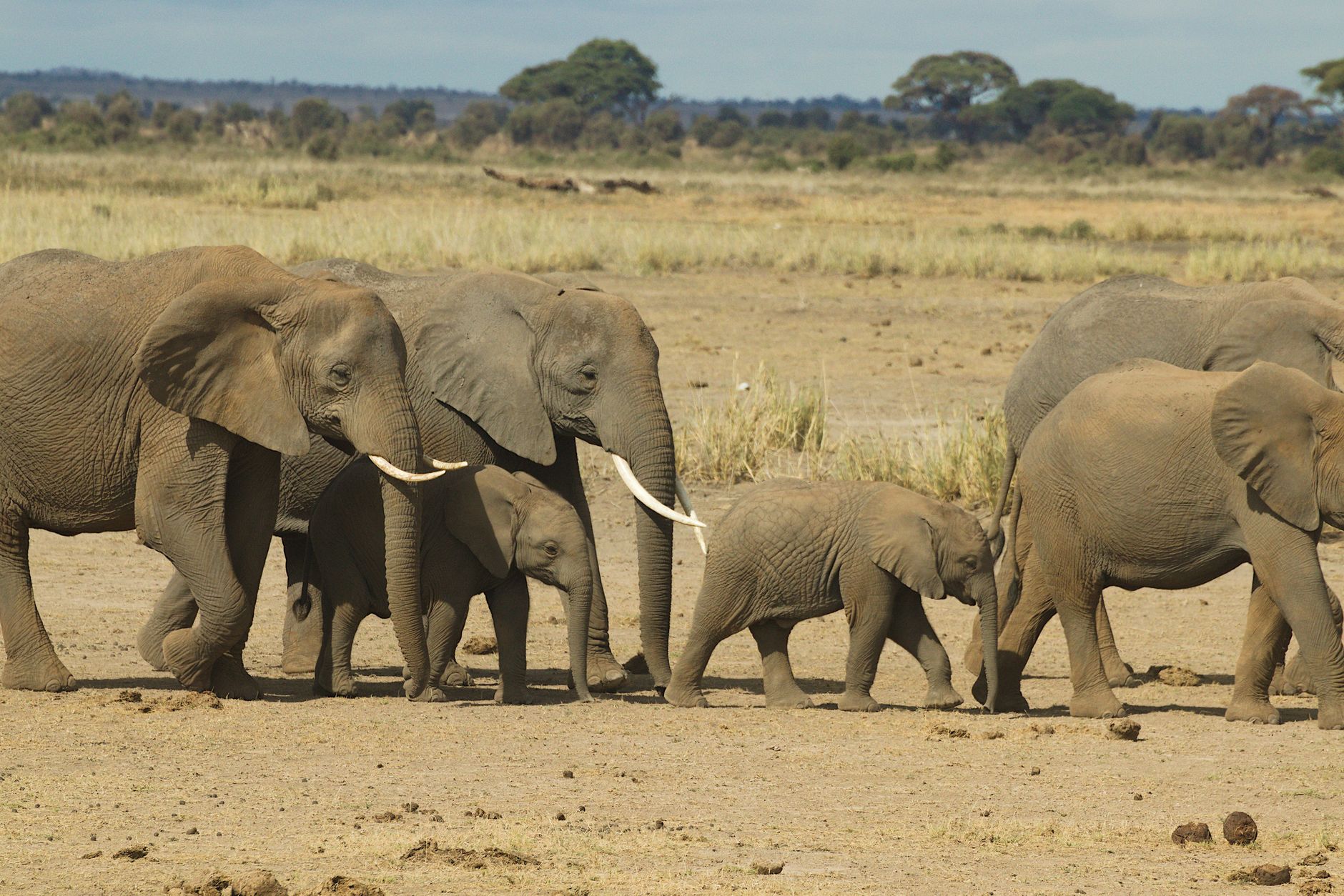
Laikipia is especially strong for black and white rhino, Grevy’s zebra, reticulated giraffe, elephants, lions, and wild dogs. Wildlife moves between largely unfenced conservancies, so sightings remain seasonal and unpredictable. The region’s advantage is not guaranteed numbers but the chance to observe rare species in a quieter, conservation-focused setting.
In plain terms, Laikipia does not compete with the Masai Mara’s wildebeest crowds. It offers a different reward: scarce species, fewer vehicles, and guides who often know individual animals because they work in a defined area year-round.
Are Night Drives Allowed in Laikipia?
Yes. Many Laikipia conservancies permit guided night drives, unlike most government-managed national parks. They offer opportunities to see nocturnal species such as aardvark, genet, civet, and night-active predators, subject to conservancy rules and guide availability.
Night drives are one of the easiest ways to understand why private and community conservancies matter. The landscape looks different after dark, and rangers use the same hours for patrols. To see what makes a night safari special and how to behave on one, read what happens on a night safari before you go.
Are Laikipia Conservancies Community Owned?
Some are community owned or managed through community land trusts, while others are private trusts, ranches, or conservation organisations. Il Ngwesi and Lekurruki are examples of community-linked models. Ol Pejeta, Lewa, and Borana are commonly associated with private or conservation-trust structures.
Should community ownership change your choice? Only if that component matters to you. Staying at a private conservancy still supports many rangers and local staff. Staying at a community conservancy places more revenue in local hands, but it may offer fewer facilities and less predictable wildlife. Neither model is automatically better. Match it to your priorities.
How Much Does a Laikipia Conservancy Safari Cost?
No single figure can cover Laikipia because camp quality, season, and solo supplements vary widely. A transparent quote should list accommodation, meals, guiding, activities, and conservancy fees separately, and explain which activities are included.
For a solo traveler, the largest variable is often the single supplement. Some camps charge a supplement that turns a solo rate into nearly a two-person price. Others offer dedicated solo rooms or waive supplements in slower seasons. Ask your operator to compare those numbers before you commit.
When Is the Best Time for Laikipia Safari Conservation Experiences?
The dry seasons, generally June to October and January to February, offer easier wildlife viewing and firmer roads. Prices tend to be higher and demand increases during these months. November, April, and May may deliver greener landscapes, fewer guests, and lower rates, although rain can disrupt roads and make sightings less predictable.
For a luxury solo trip, timing is a balance. If your main goal is rhino viewing and walking, dry months give better conditions. If you prefer lower prices and privacy, the green season can work well, especially inside private conservancies where roads are better maintained.
How Should a Solo Traveller Choose Among Laikipia Conservancies?
Solo travellers should choose a small camp with shared activities, a strong guiding reputation, reliable transfers, and a conservation programme they can explain transparently. Match the conservancy to your priority. Choose rhinos at Ol Pejeta or Solio, specialist tracking at Lewa or Borana, wilderness at Loisaba, or community connection at Il Ngwesi.
On a private conservancy, a solo traveler usually joins a shared vehicle with other guests. That keeps costs closer to a fair rate and makes the experience social if you want it. If you receive a private vehicle, ask what that does to the cost and to vehicle density. For practical detail on travelling alone in the region, read the solo safari safety in northern Kenya notes before you book flights.
So Which Laikipia Conservancy Should You Choose?
Pick Ol Pejeta for the broadest conservation showcase and a chance to see the last northern white rhinos. Choose Solio if rhino density is your priority. Lewa and Borana fit travelers who want quiet, research-driven conservation and walking or riding. Loisaba is the pick for wilderness and community-linked adventures. Il Ngwesi and Lekurruki suit travelers who want local decision-making at the center of their stay.
Where Can You Find More Safari Planning Resources?
Laikipia safari conservation experiences are easier to plan with a few trusted outside references on parks, conservancies, and safari packages. The links below cover park maps, conservancy detail, and sample itineraries.
- Kenya national parks map from SafariPure
- Ol Pejeta Conservancy guide from Trunktrails Safaris
- Ol Pejeta and Sweetwaters safari package from Valley Safaris
- Big Five safari collection on FindMySafari
Do not let a marketing line replace a hard question. Who owns this land, where do the fees go, and which rangers will I meet? Good operators answer without hesitation. To compare safari operators who organise these experiences, browse packages through FindMySafari, Valley Safaris, or Trunktrails Safaris. Look for a conservancy that matches your priorities, then compare stated inclusions, guide quality, and community partnerships before you book.