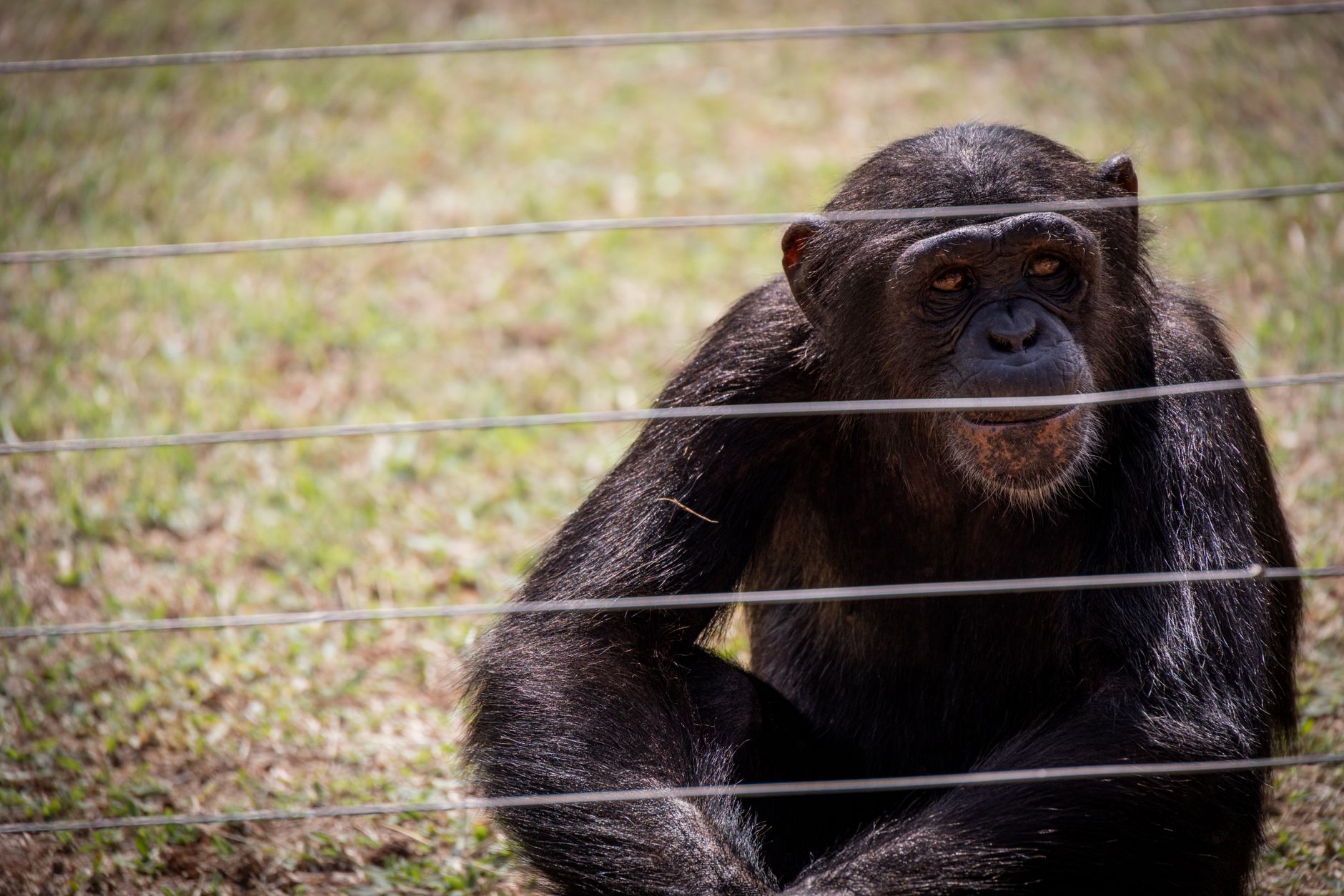
When you weigh kibale vs nyungwe chimpanzee trekking, you are comparing two different kinds of forest day. Kibale in western Uganda is gentler, with reliable tracking teams at Kanyanchu. Nyungwe in southwest Rwanda is wilder, with misty valleys and a tougher search around Uwinka and Cyamudongo. Both can produce the same thrill: wild chimpanzees grooming, feeding, or calling close by. The right pick usually depends on your route, budget, and appetite for hiking.
Kibale vs Nyungwe Chimpanzee Trekking: Which Is the Better Choice?
Kibale is usually the better choice when reliable sightings and a full-day habituation experience matter most. Nyungwe is the better choice when scenery, adventure, and a Rwanda route matter more. Decide after checking costs, terrain, and itinerary, not from a one-line verdict.
Work Through These Checkpoints Before You Book
This table gives a quick comparison. The checklist below explains why each row matters.
| Factor | Kibale (Uganda) | Nyungwe (Rwanda) |
|---|---|---|
| Best-known sector | Kanyanchu | Uwinka and Cyamudongo |
| Sighting reliability | Usually high | Good, but more variable |
| Standard viewing after a find | Up to one hour | Up to one hour |
| Full-day habituation | Formal experience available | Standard trekking only |
| Terrain | Generally easier walking | Steep, wet highland trails |
| Permit price signal | Usually higher | Usually lower |
- Compare sightings before you compare scenery.
Kibale generally has the edge for reliability. Tracking teams at Kanyanchu work with well-established habituated communities and can adjust the search when chimpanzees move. Nyungwe also has habituated groups, especially around Uwinka and Cyamudongo, but its forest is larger and more mountainous. Success in Nyungwe can vary more, and that matters if you have only one trekking day.
- Understand what the viewing hour is like.
Once trackers locate a group, both parks normally allow about one hour. You may see grooming, play, and feeding, and you may hear pant-hoot calls carry through the trees. Behaviour depends on group mood and season, not on the park name. A skilled ranger makes a real difference, so ask about guide experience when you screen operators.
- Compare permits, transport, and total budget.
People often think Nyungwe is cheaper because its chimpanzee permit is listed lower. That can be true, but prices depend on your nationality and can change. Kibale permits generally cost more. Yet the larger question is total trip cost. Nyungwe usually means a Rwanda itinerary, with Kigali as a likely start. Kibale fits a Ugandan circuit. The gap in flights, road transfers, lodges, and extra days can outweigh the permit gap. Use an East Africa safari budget breakdown to model both routes.
- Know the terrain and start times.
Kibale is usually the easier trek. Trails from Kanyanchu run through lower forest with modest climbs, and there are morning and afternoon departures. Nyungwe is highland forest. Treks can start before dawn, involve longer searches, and feel steep and slippery after rain. Both parks require good fitness, waterproof boots, and rain gear. The wet seasons can make Nyungwe noticeably harder; Kibale stays more forgiving.
- Decide if the full-day habituation experience is essential.
If your dream day is spending many hours with one chimpanzee community, Kibale has a clear advantage. Its formal Chimpanzee Habituation Experience lets visitors join researchers and rangers for most of a day. That is very different from the standard hour. During the longer session you are more likely to see activities such as feeding, nesting, grooming, and shifts in group mood. Nyungwe runs standard trekking. It does not offer a comparable full-day habituation programme. If you want the immersive day, choose Kibale and plan extra time and budget.
- Weigh scenery, other wildlife, and conservation.
Kibale has excellent primate variety. Alongside chimpanzees, you may meet red colobus monkeys, black-and-white colobus monkeys, and mangabeys. Nyungwe delivers dramatic montane scenery, tea-covered hills, and Rwanda’s canopy walkway. Photographers should think about light. Kibale’s lower forest can produce clear images on a bright day, while Nyungwe’s mist and steep valleys create moody shots. In either forest, keep a respectful distance, avoid flash, and follow your ranger’s instructions. Trekking revenue helps protect these habitats.
- Let your wider safari route decide.
Your East Africa itinerary is often the deciding factor. A Kenya safari usually starts in Nairobi or the Masai Mara, and neither chimpanzee park is inside Kenya, so you will add an international leg. If you plan a Uganda trip, Kibale sits conveniently next to other Uganda highlights. To connect it with Queen Elizabeth or Murchison Falls, see our Uganda safari park comparison. If your trip is Rwanda-focused, Nyungwe fits naturally around Kigali and Volcanoes. Connect the dots before you buy a permit, and half the confusion disappears.
Next Step: Compare Packages With a Quote Checklist
Your next concrete step is to collect quotes for the route you have chosen. Ask every operator for the exact park sector, group size, walking hours, and the full itinerary cost. Permit price is only one line in the final quote. Use our safari operator quote checklist to compare quotes on the same terms. Then browse packages from FindMySafari, Valley Safaris, or Trunktrails Safaris, and tell them whether your Kenya safari ends in Nairobi or the Masai Mara before you add Uganda or Rwanda.
More safari planning resources
- Kenya safari packages from SafariPure
- Ol Pejeta Conservancy guide from Trunktrails Safaris
- Kenya tour packages from Valley Safaris
- Compare Kenya safari packages on FindMySafari