Kenyan safari travelers often end a Masai Mara or Amboseli trip with a second question: should the chimp part of the holiday happen in Uganda or Rwanda? This Kibale vs Nyungwe chimp trek comparison works through the facts that matter most, from sighting odds to terrain and total route cost. It does not declare one forest a winner, because the better choice depends on your itinerary.
Kibale vs Nyungwe Chimp Trek: Which Park Is Better for You?
Choose Kibale if chimpanzees are the main goal: its habituated communities, gentler forest trails, and strong sighting record make the experience more predictable. Choose Nyungwe if you want chimp trekking inside a larger mountain forest adventure, with steeper trails, misty scenery, canopy walks, and convenient Rwanda routing. There is no universal winner.
The Checklist That Answers Your Real Question
The choice is not between a good forest and a bad forest. It is between two different safari styles. Move through these eight checks in order.
1. Compare Sighting Reliability Before You Compare Prices
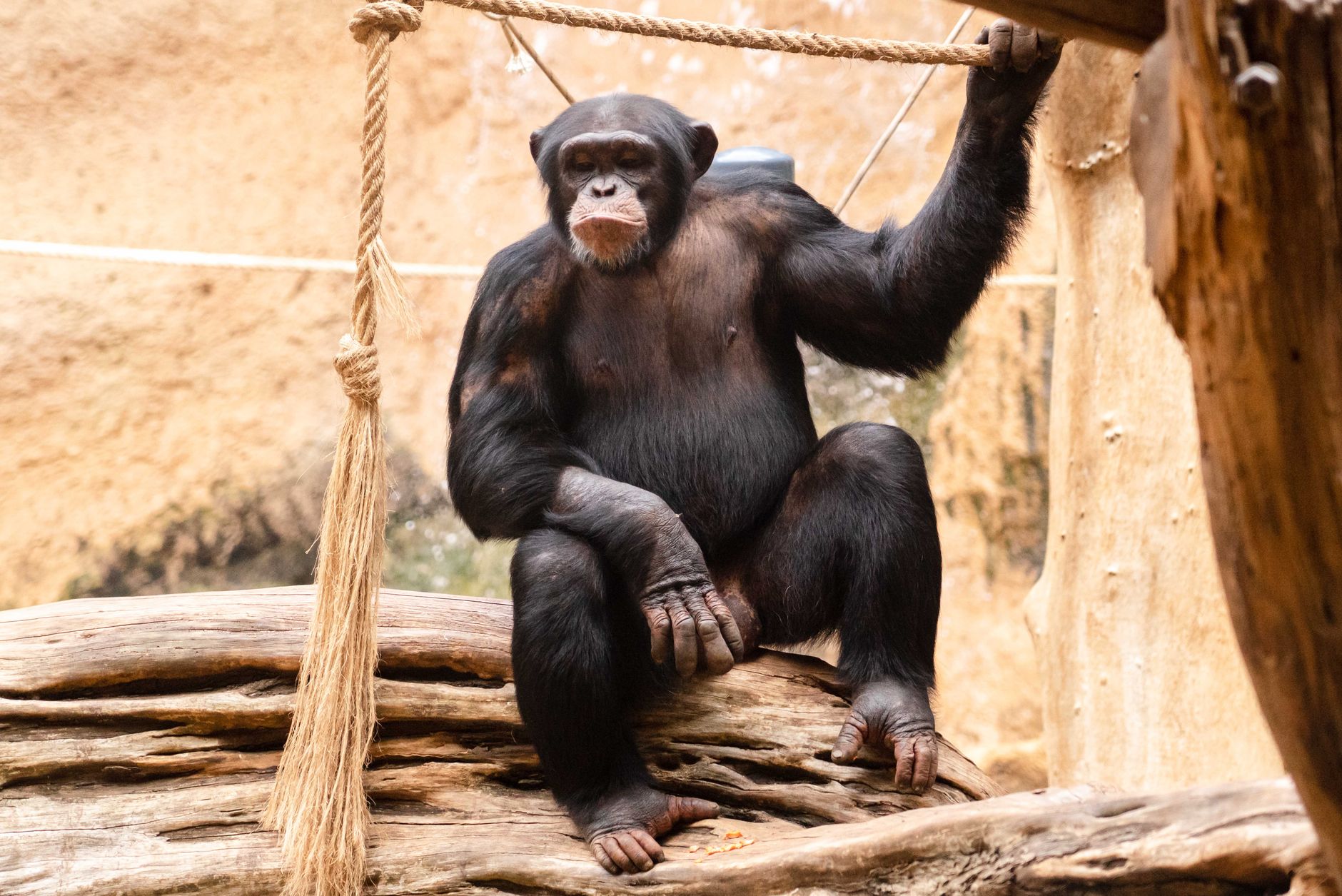
Kibale has a solid reputation for strong chimpanzee viewing. At Kanyanchu, the main trailhead, trackers work with habituated groups in a relatively compact forest block. Most mornings they know where the community slept, so the search tends to be short.
Nyungwe runs treks from Uwinka and Cyamudongo across a much larger highland forest. Chimpanzees there move often, sometimes across steep valleys, which makes the encounter less predictable. Once the group is found, both parks normally allow around one hour with the chimps. Kibale also offers a full day Chimpanzee Habituation Experience. Standard Nyungwe trekking does not.
2. Separate Permit Price from Total Trek Cost
The headline permit price can mislead. Kibale’s foreign nonresident chimpanzee permit is commonly quoted around USD 250, and that figure normally includes park entry. Nyungwe’s permit is set under Rwanda’s current tariff, and park admission may be charged separately. Some quotes include a guide, a porter, and transfers. Others do not.
Always ask the operator for a written breakdown: permit, park entry, guide fee, porter fee, transport, and accommodation. A quote that looks cheaper may simply leave out items another quote includes. That is why Kibale and Nyungwe chimpanzee costs are best compared line by line rather than by a single number.
3. Judge Terrain by Your Own Fitness
Kibale generally gives an easier walking day. The forest sits at a lower elevation, trails are mostly gentle, and most treks finish within a half day. That makes it a comfortable choice for first time primate trekkers or anyone with knee concerns.
Nyungwe is mountainous. Steep ridges, mud after rain, and sections above 2,000 meters can make the same hour with chimps feel earned. The altitude and gradient add strain, not danger. Bring waterproof boots, rain gear, and water. A porter is worth the money here, and the hire supports local jobs.
If you choose Nyungwe, plan for a more physical morning. If you prefer to spend energy on photography and behavior rather than on staying upright, Kibale gives you an advantage.
4. Time the Trek for Dry Trails and Fruit
June to October and December to March are the usual dry windows in both forests. Drier trails make the search easier and the viewing area less muddy.
Wet months bring rain, but they also bring fruit. When food is plentiful, chimpanzees often stay closer and move less, which can shorten the search. Since rain can arrive in any month, pack light rain protection and dry bags. A wet forest is still worth the walk.
5. Decide How a Gorilla Trek Changes Your Route
A chimp trek rarely exists alone. Most wildlife travelers pair it with mountain gorillas. In Rwanda, Nyungwe sits southwest of Kigali and can combine with Volcanoes National Park. In Uganda, Kibale belongs on a circuit that often continues to Bwindi Impenetrable Forest.
The best route is the one that avoids backtracking. Read our guide to combining a gorilla trek and a chimpanzee trek before you commit to a date. The answer affects whether you need one country or two.
6. See the Trek in a Kenya Safari Context
Kenya is the most common gateway for an East Africa safari. The real question is how Uganda or Rwanda fits around it.
Nyungwe works well as a Rwanda focused add on, often after a Masai Mara or Amboseli trip. It keeps the travel within Rwanda once you arrive. Kibale fits a Uganda route that starts or ends in Entebbe, especially if you want chimps plus wider Uganda wildlife.
Internal flights make combinations easier, but they also change the budget. The cheapest chimp trek on paper is not always the cheapest complete safari. Match numbers against the whole route, using Uganda and Rwanda safari costs as your planning baseline.
7. Add the Forest Activities That Matter to You
Kibale is good for more than chimps. It offers guided walks at Bigodi Swamp, crater lakes around Fort Portal, and dense forest birding. Primate variety is a major draw, because you may see several monkey species during a single walk.
Nyungwe offers a different forest experience. There is a canopy walk, rare monkeys such as L’Hoest’s monkey, and montane birding that rewards slow walking. If landscape matters as much as the chimp encounter, Nyungwe has a stronger pull. If primate variety matters more, Kibale is likely your pick.
8. Build Responsible Trekking into Your Budget
Habituation is a long process. It works because visitors stay healthy, keep distance, and follow ranger signals. If you have a cough or a cold, sit out. If the chimps are nervous or scattered, accept a shorter encounter.
Responsible trekking protects the groups and keeps permits valuable for the people who come after you. Treat a missed sighting as part of wildlife travel, not as a failed safari.
The Next Step for Your Safari
The next step is to lock your route, not just your chimp permit. Choose whether Nyungwe or Kibale makes sense with your other destinations, then compare full safari packages. Browse options at FindMySafari, Valley Safaris, or Trunktrails Safaris, and ask each operator how the chimp trek fits into your Kenya itinerary.
More safari planning resources
- Kenya safari packages from SafariPure
- Ol Pejeta Conservancy guide from Trunktrails Safaris
- Interactive Maasai Mara map from Valley Safaris
- Compare Kenya safari packages on FindMySafari