Kenya safari shoulder season wildlife is strongest in June, October, and November, yet each month offers a different experience. June follows the long rains, October sits after the migration peak, and November welcomes the short rains. For a first-time planner, the right shoulder month depends on rainfall, crowds, and which animals you want to see. This guide compares the three months park by park.
What Is Kenya’s Safari Shoulder Season?
Kenya’s safari shoulder season usually means June and October-November: periods between the busiest dry-season travel and wetter or holiday periods. June follows the long rains, while October-November follows the main migration peak and may bring short showers. Exact conditions vary by park, elevation, and annual rainfall, so shoulder season is not one uniform experience.
Most safari operators divide Kenya’s year into high, shoulder, and low seasons. The high season runs from July to September, plus the holiday weeks around December and January. The low season comes with the long rains in April and May. The shoulder season sits between those blocks: June, October, and November. Some years, weather shifts blur those lines. In a dry year, November can feel more like October. In a wet year, June may start with lingering showers. That is why you should plan around the wildlife behavior and road conditions you most care about. For a month by month look at the Mara, see our best time to visit Maasai Mara.
Which Months Offer the Best Kenya Safari Shoulder Season Wildlife?
June is the strongest shoulder month for dry roads, fresh vegetation, and rising wildebeest numbers in the Maasai Mara. October offers excellent resident wildlife, thinning crowds, and a chance of late migration activity. November is greener and quieter, with good birding and predator sightings, but more variable rain and softer driving conditions.
June is often the best bet for reliable game drives because the main roads are usually dry after the long rains. The landscape is green, and the Great Migration Maasai Mara herds are building at the edges of the reserve. October offers strong resident wildlife with a fraction of the July traffic. November is the quietest and greenest, though showers can interrupt long drives. The best time to visit Kenya for safari depends on your tolerance for rain and your desire for migration sightings.
What Wildlife Can You See in the Maasai Mara During Shoulder Season?
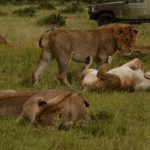
The Maasai Mara remains productive in shoulder season because resident lions, leopards, cheetahs, elephants, giraffes, and plains game stay year-round. In June, migration herds may be arriving. In October, some wildebeest can remain or move south. River crossings are never guaranteed, and November favors green landscapes, birds, and quieter sightings over migration drama.
Resident predators make the Mara reliable outside peak season. Lions and leopards live in established territories, and cheetahs favor the open plains. Elephants, buffalo, giraffes, and wildebeest move with grass and water. In June, the first columns of wildebeest may appear from the Serengeti. By October, some herds have already turned south. A Kenya safari in October can still encounter migration remnants, but a river crossing is never a promise. November rewards patience with newborn animals, migratory birds, and sparse vehicle lines. For a deeper park overview, our Maasai Mara guide explains where to focus your game drives.
Which Parks Beyond the Maasai Mara Are Best in Shoulder Season?
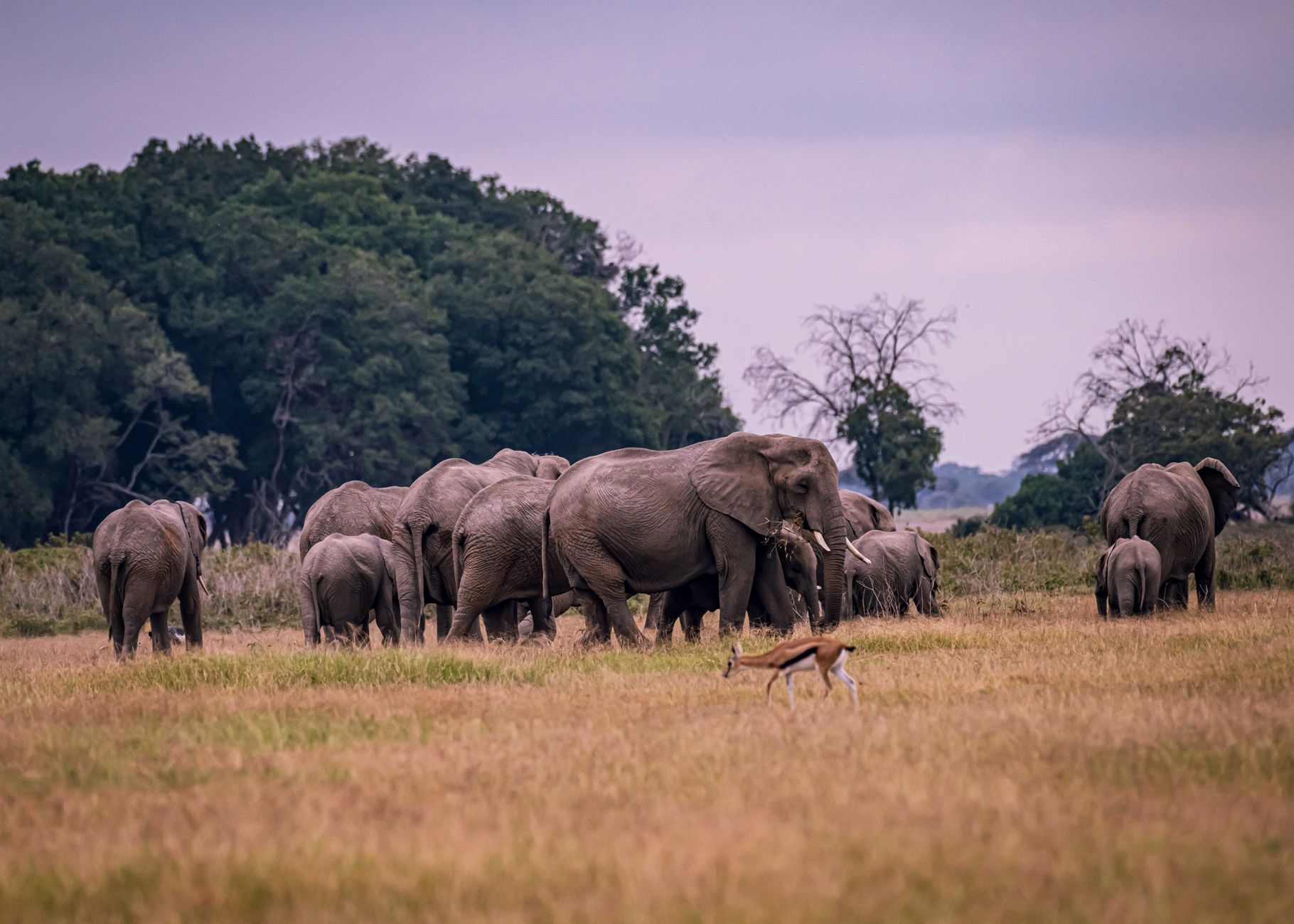
Amboseli is especially rewarding from June to October for elephants, open views, and possible Mount Kilimanjaro backdrops. Samburu and nearby conservancies offer dry-country species such as Grevy’s zebra, reticulated giraffe, and gerenuk. Laikipia combines varied wildlife with lower-density, conservation-led experiences. Park choice should follow target species rather than migration headlines.
Amboseli National Park shines from June through October because the dry season draws elephants to permanent swamps. Views of Kilimanjaro are often clear in the early morning. A four-day Samburu safari itinerary works well in shoulder months, as the Ewaso Ng’iro River supports those dry-country species. Laikipia’s private conservancies, such as Ol Pejeta, offer rhino viewing and fewer vehicles. If you are weighing costs, our breakdown of Amboseli safari costs can help you budget.
How Do Weather, Crowds, and Prices Compare in Shoulder Season?
Shoulder-season safaris generally bring fewer vehicles and lower lodge rates than July-August, while June is usually drier than October-November. October and November can have short, often intermittent showers that produce vivid scenery but may affect road conditions. Published estimates commonly place shoulder-season savings around 20-40%, although rates vary by camp, park, and dates.
The shoulder season sits next to the Kenya safari dry season, but it is not identical. June usually has the best weather of the three shoulder months. October and November bring short rains, but they often fall in bursts, not all day. Crowds are lower than July and August almost everywhere outside the migration hotspots. Lodge rates follow demand, so shoulder season typically sits below peak pricing. The table below shows a simplified comparison.
| Month | Weather pattern | Wildlife highlight | Crowd level | Price vs July-Aug peak |
|---|---|---|---|---|
| June | End of long rains, green and mild | Migration building in Mara, good plains game | Lower | Roughly 20-40% lower |
| October | Short rains may begin, warm days | Resident predators, possible late migration | Low | Roughly 20-40% lower |
| November | Short rains more active, lush scenery | Birds, newborns, strong resident game | Very low | Often lowest, roughly 20-40% lower |
Keep in mind that published savings estimates range from 20-40%, but each camp sets its own rates. Some private conservancies keep higher rates year-round because they limit guest numbers. For a wider view of costs, see our Kenya safari cost guide.
What Are the Shoulder Season Trade Offs and Planning Tips?
Choose June for reliable game drives, green scenery, and early migration potential. Choose October for strong wildlife with fewer visitors. Choose November for value, photography, and birds. Build flexibility into your itinerary. Use experienced local guides. Combine parks with different rainfall patterns. Prioritize private conservancies when low vehicle density matters most.
Shoulder season safaris trade migration drama for quieter game drives. In October and November, pack a waterproof layer. Expect some soft or muddy roads after storms. A longer transfer route may be safer than a fast one. For payments in more remote areas, many travelers save time by using M-Pesa on safari in Kenya. Private conservancies cost more, but they keep vehicle numbers low. They also allow off road driving where permitted. Many conservancies keep water sources full year round, so animals stay visible even in drier weeks.
What Do Travelers Ask About Kenya Safari Shoulder Season?
What is the best month for a Kenya safari?
June is one of the best shoulder-season choices because the long rains have usually eased, vegetation remains fresh, and wildlife viewing is strong. July-September is better for peak dry-season conditions and migration activity, while October can offer a quieter alternative with excellent resident wildlife.
Is October a good month for a Kenya safari?
Yes. October usually combines good game viewing, fewer visitors than the migration peak, and lower prices than July-August. Some short rains may occur, and migration herds may already be leaving the Maasai Mara, but resident predators, elephants, giraffes, and plains game remain abundant.
Can you see the Great Migration in Kenya in October?
You can see parts of the Great Migration in the Maasai Mara in October, but timing and river crossings are unpredictable. Some herds may remain into early or mid-October, while others have begun moving toward Tanzania. October should be booked for broad wildlife quality, not a guaranteed crossing.
Is Kenya safari good in November?
November can be an excellent value month for a Kenya safari. Short rains create green scenery, migrant bird activity increases, and resident wildlife remains visible, often with fewer vehicles. The main disadvantages are less predictable showers, muddy sections on some roads, and reduced certainty for long game drives.
What animals can you see on a Kenya safari in the shoulder season?
Shoulder season can produce sightings of lions, leopards, cheetahs, elephants, giraffes, zebras, wildebeest, buffalo, hippos, and many antelope species. Samburu adds northern specialties such as Grevy’s zebra, reticulated giraffe, and gerenuk. Wildlife is present year-round, but visibility and concentrations change with rainfall and water availability.
Is Kenya safari cheaper in the shoulder season?
Usually, yes. June and October-November commonly cost less than the July-August peak, although exact savings depend on the camp, conservancy, transport, and holiday calendar. November often provides the strongest value, but travelers should compare total itinerary costs because weather can require extra flexibility or road transfers.
Ready to Compare Kenya Safari Operators?
Compare safari operators to match your travel dates, wildlife priorities, and budget. Use FindMySafari, Valley Safaris, or Trunktrails Safaris to browse packages that fit your wildlife goals. Ask each operator how they handle short rains, whether private conservancies are included, and what the total price covers before you decide.
Where Can You Find More Safari Planning Resources?
- Best time to visit Kenya map from SafariPure
- Best time to visit Kenya from Trunktrails Safaris
- Best time to visit Kenya month-by-month map from Valley Safaris
- Great Migration safari collection on FindMySafari