Planning a safari with grandparents, parents, and kids in one group can feel like organizing a small expedition. Kenya safari multigenerational activity planning is about matching the terrain, timing, and daily rhythm to the people who are actually traveling. The key is not to cram in every park. It is to pick a few places, use the right vehicle, and give every generation permission to slow down.
What Is the Right Pace for Kenya Safari Multigenerational Activity Planning?
Use two or three bases, stay three or four nights in each, and schedule no more than two main activities per day. A typical rhythm is an early game drive, a long midday rest, and an optional afternoon activity. Add a rest morning after every two active days, especially when children are young or grandparents are over 70.
Three generations do not need to do everything together. Hopping between four parks in a week tires everyone fastest, since Kenya looks compact on a map but transfers between destinations take hours. You lose less time by sleeping in fewer places and making the game drive the center of the day.
Build in buffers. A direct flight from Nairobi to the Masai Mara saves road time, but not every family needs to fly. Keep packing and unpacking to a minimum by staying put for three nights or more and using day trips from a single base.
What Family Safari Activities in Kenya Suit Each Generation?
Make the shared game drive the anchor, then offer optional activities by ability: a guided nature walk, birding, or cultural visit for active adults and older children; a pool, spa, photography session, or camp rest for grandparents; and shorter junior-friendly outings for younger children. Everyone should be able to decline an activity without losing the family itinerary.
Younger children often do better with two shorter drives rather than one long one. Teens may want a walking safari or a visit to a wildlife research center. Grandparents who prefer to rest can opt out of safari activities if the camp or vehicle plan allows it. Active members might take a nature walk on the same day others stay at the lodge, which works if the group has a private vehicle and the camp runs separate schedules.
For children under five, many lodges only allow game drives in the middle of the day or in a private vehicle. Always confirm age policies before booking. Older children often enjoy conservation talks, lion tracking, and half-day walks. A Masai Mara guide can help you choose camps that run junior ranger programs.
Which Kenya Destinations Suit a Multigenerational Family Safari?
Choose Amboseli for elephants, open views, and relatively straightforward wildlife viewing; Ol Pejeta for rhinos, conservation experiences, and varied family activities; and the Masai Mara for big cats and classic game drives. A private Mara conservancy adds quieter viewing and flexible driving, while the National Reserve offers broader access but can involve busier sightings and rougher tracks.
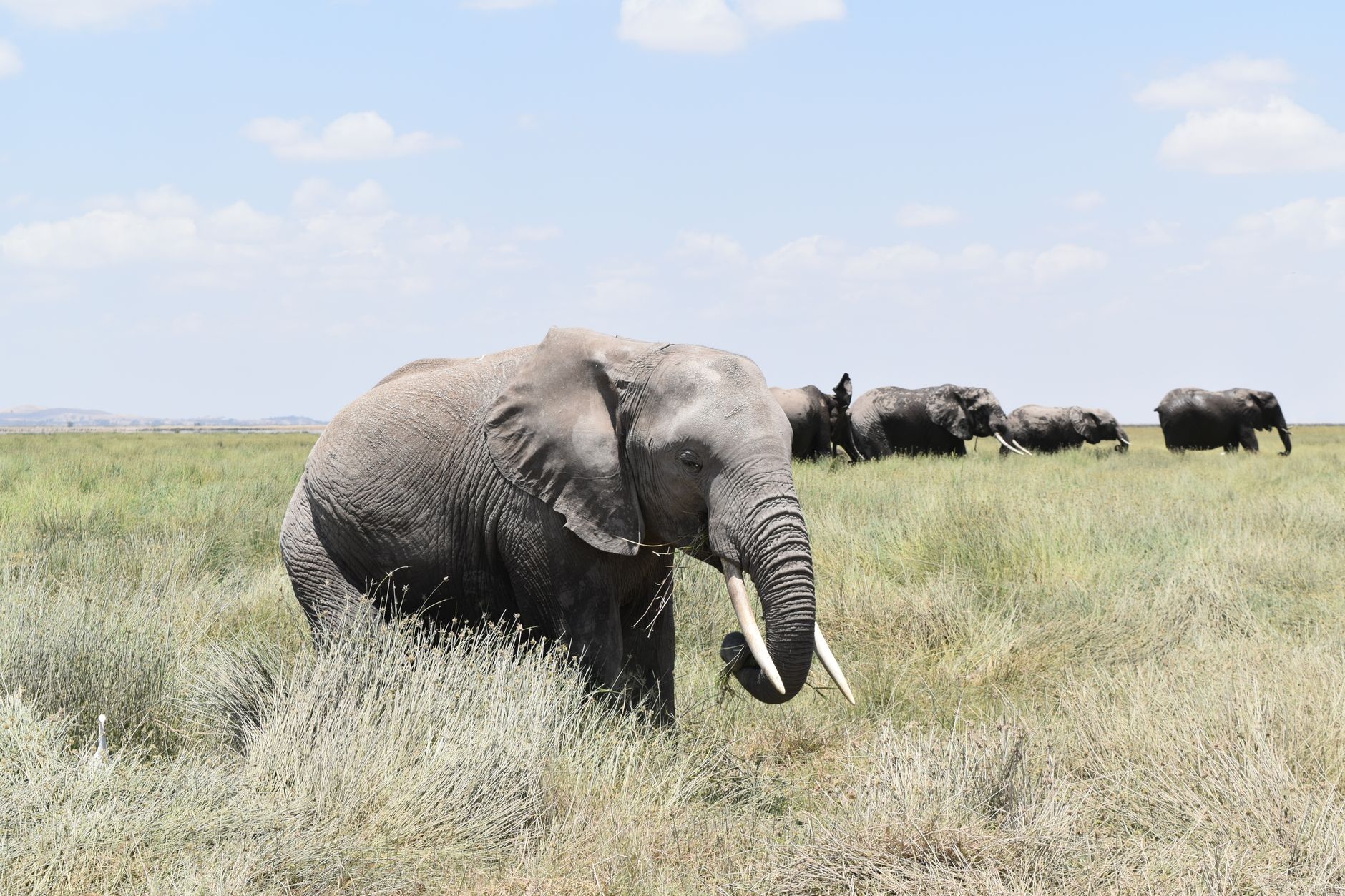
Amboseli’s flat, open ground is easy to scan, which makes it a calm start after a long flight. For a Kenya safari for grandparents and children, Amboseli is often the most comfortable first stop. If you want a mix of conservation and family-friendly activities, Ol Pejeta is harder to beat. The Ol Pejeta Conservancy guide explains the rhino sanctuary, chimpanzee viewing, and night drives.
| Destination | Best for | Terrain | Wildlife highlight | Caution |
|---|---|---|---|---|
| Amboseli National Park | Grandparents and younger children | Open plains, short grass | Elephant herds near swamps | Dusty in the dry season |
| Ol Pejeta Conservancy | Mixed ages | Rolling hills, good tracks | Black and white rhinos | Chimpanzee viewing has set times |
| Masai Mara National Reserve | Big-cat lovers and teens | Rolling grassland | Lions, leopards, cheetahs | Crowded at popular sightings |
| Private Mara Conservancy | Quiet seekers | Similar to the Reserve | Same wildlife, fewer vehicles | Costs more than the Reserve |
| Lake Nakuru National Park | Birders, rhino fans | Compact, lake fringe | Flamingos, pelicans, rhinos | Small area, can feel busy |
If you are deciding between two northern options, read the comparison of Lake Nakuru versus Ol Pejeta before you choose. For Amboseli, our Amboseli safari guide covers the practical details. Whatever combination you pick, keep the total number of safari regions to two for a week-long trip.
Is a Private Safari Vehicle Kenya Worth It for a Mixed-Age Group?
Yes, a private vehicle is usually worth the extra cost for a mixed-age group. It lets the guide shorten, delay, or split activities instead of tying everyone to one fixed departure time.
In a private vehicle, grandparents can skip a dawn drive, parents can return to camp early, and children can get out when they need a break. The guide can change the route based on who is tired. Splitting the group is easier too, since some people want a long morning and others want a slow one. That flexibility is hard to match on a shared vehicle.
Accommodation deserves the same care. Book family tents, interconnecting rooms, or a private villa close to shared spaces. Check Kenya safari family room layouts before booking to see which rooms connect, have ground-floor access, and how steps and power are arranged. For older guests, ask about steps into the dining tent, uneven walkways, and vehicle step height. If someone uses a CPAP machine, confirm the camp has reliable power. This matters most at camps running on solar power alone.
How Do You Balance Wildlife Viewing With Rest and Shared Experiences?
Plan one or two memorable shared moments each day rather than requiring everyone to join every drive. A bush breakfast, sundowner with proper seating, family meal, or conservation visit can unite the group after different morning activities. Keep midday free for sleep, swimming, reading, and recovery because wildlife is often less active and heat is higher then.
Half the group may want a full-day game drive while the other half wants a slow morning by the pool. Let them split, then meet up for lunch, a short walk, or an early evening sundowner.
A rest morning also helps the vehicle and the guide. After two early starts, everyone feels better with a later breakfast and no engine noise until midday. Scheduling it right after a long transfer removes any pressure to leave again immediately.
When Should You Match the Itinerary to Kenya’s Seasons?
June to October generally offers dry conditions, easier road access, and strong wildlife viewing, but school-holiday demand and prices rise. January to March can also deliver productive game viewing with different weather and fewer peak-season pressures. During rainy periods, allow extra transfer time, favor conservancies or camps with reliable access, and avoid building the trip around one guaranteed sighting.
Seasonal planning matters more when three generations travel together. The oldest and youngest members feel heat, dust, and long drives more quickly. A dry road makes the vehicle more comfortable. A wet track can turn a short transfer into a much longer one.
| Planning factor | Best window | Why it matters |
|---|---|---|
| Overall wildlife viewing | June to October; January to March | Dry weather concentrates animals around water |
| Big-cat viewing in the Mara | July to October; resident cats all year | Migration herds attract predators |
| Wildebeest migration crossing | July to October typical | Timing shifts, never guaranteed |
| Road access | June to October | Dry tracks are easier for all vehicles |
| Budget flexibility | January to June | Lower demand outside Christmas and Easter |
| Family school holidays | July, August, December | Expect higher prices and busier camps |
For the Mara specifically, our best time to visit Masai Mara guide lays out monthly trade-offs. During the wetter months, the Kenya safari rainy season road advice can keep the group out of avoidable delays.
What Is a Practical 8-9 Day Multigenerational Kenya Safari Itinerary?
An adaptable plan is one Nairobi arrival or recovery night, three nights in Amboseli or Ol Pejeta, three nights in the Masai Mara, and one or two final nights near Nairobi or the coast. Fly between distant safari areas when budget and mobility justify it, and reserve at least one low-activity morning rather than filling every day with drives.
A sample rhythm looks like this:
- Day 1: Arrive Nairobi, rest at a hotel near the airport. No safari driving.
- Day 2: Fly or drive to Amboseli. Afternoon game drive, then settle in.
- Day 3: Early morning drive, midday rest, optional cultural visit.
- Day 4: Rest morning, then transfer to Nairobi or fly to the Mara in the afternoon.
- Day 5: Morning game drive in the Masai Mara, long lunch break.
- Day 6: Rest morning, then late afternoon drive.
- Day 7: Bush breakfast or sundowner, plus another game drive.
- Day 8: Fly back to Nairobi, overnight near the airport.
- Day 9: Depart or start a beach extension at Diani.
This is close to the best Kenya safari itinerary for families who want depth over distance. Kenya safari multigenerational activity planning should center on what the least mobile member finds comfortable. If that person is fine with a two-hour drive but not a four-hour one, adjust the transfer plan. For a sense of what this plan costs by camp tier, see the Kenya safari cost guide.
Frequently Asked Questions
What is the best Kenya safari itinerary for a multigenerational family?
Most families do best with one or two safari regions rather than a fast multi-park circuit. An 8-9 day plan can combine three nights in Amboseli or Ol Pejeta with three nights in the Masai Mara, plus Nairobi arrival and departure buffers.
How many days is enough for a multigenerational Kenya safari?
Eight to ten days is a practical range for most multigenerational families, including six to seven safari nights. A shorter five-night trip can work with just Amboseli and the Masai Mara, though it leaves less room for weather, fatigue, or delays.
Is a private vehicle worth it for a family safari?
Usually, yes. A private vehicle lets grandparents skip a dawn drive, lets children stop for breaks, and allows the guide to adjust the route and activity length to the group. It also makes it easier to reunite for a sundowner or shared meal without forcing everyone onto the same schedule.
Can grandparents opt out of safari activities?
Yes, provided the booking includes a private vehicle or clearly defined flexible arrangements. Grandparents can rest at camp while other family members take a longer drive, walk, or cultural visit, then rejoin for meals and shorter shared experiences. Confirm the camp’s activity policy and transport options before arrival.
Which Kenya safari parks are best for older travelers and children?
Amboseli is often a comfortable choice because its open terrain and concentrated wildlife can reduce long, difficult drives. Ol Pejeta combines accessible wildlife viewing with conservation-focused activities, while the Masai Mara provides strong big-cat viewing but may involve rougher tracks. Private conservancies can offer quieter sightings and more flexible pacing than crowded areas of the reserve.
How Do You Compare Safari Operators for a Multigenerational Trip?
Before you commit, compare safari operators and browse packages that can host three generations. Vetted platforms such as FindMySafari and Valley Safaris list family-friendly camps, private vehicles, and flexible itineraries. Ask each operator about minimum ages, transfer times, and whether the guide can split the group. That final check makes the difference between a stressful rush and a relaxed trip that works for every age.
Where Can You Find More Safari Planning Resources?
- Kenya family safari from SafariPure
- Nairobi to Maasai Mara route guide from Valley Safaris
- Family safari collection on FindMySafari