Planning a Kenya safari for Mandarin speakers comes down to three questions. It covers who will actually speak Mandarin, which park matches your interests, and what the total cost really is. This guide answers those questions with practical details. It does not assume you want a generic Chinese-speaking tour. It helps you plan a private safari where the guiding, translation, and logistics are clear before you pay.
Are Mandarin-speaking safari guides available in Kenya?
Yes, but availability is limited and should be confirmed before payment. Ask whether the person is a certified Mandarin-speaking driver-guide, an English-speaking driver-guide traveling with a Mandarin interpreter, or an interpreter who joins selected activities. Require the guide’s language role, certification, and dates in writing. Website listings do not always mean the driver speaks Mandarin.
On a standard safari, the driver-guide drives the vehicle, spots wildlife, and explains what you see in English or Swahili. A true Mandarin-speaking driver-guide does all of that in Mandarin, but fewer of these guides work in Kenya. The gap is easier to fill with a separate Mandarin safari interpreter. Interpreters can join game drives, park visits, and lodge meals. They do not usually drive.
Before you book, ask for the person’s name, certification, and the exact dates they will be with you. Confirm whether translation covers game drives only or also airport transfers and mealtimes. If you are traveling as a family, interpreter availability can matter for your multigenerational safari activity planning.
How much does a Kenya safari for Mandarin speakers cost?
A private tailor-made Kenya safari commonly costs about USD 230 to 480 per person per day, excluding international flights. Mandarin language support may add a separate premium. A standard English-speaking driver-guide may cost roughly USD 40 to 60 daily. An interpreter arrangement runs about USD 100 to 150 combined. A dedicated Mandarin-speaking driver-guide costs approximately USD 180 to 250 when available.
The table below gives indicative rates. Most driver-guide fees cover the vehicle rather than a single passenger, so the actual cost per person drops when two or more travelers share.
| Arrangement | Indicative rate per day |
|---|---|
| English-speaking driver-guide | USD 40 to 60 |
| Driver-guide plus Mandarin interpreter | USD 100 to 150 combined |
| Dedicated Mandarin-speaking driver-guide | USD 180 to 250 when available |
| Private safari package, full cost per person | USD 230 to 480, excluding international flights; ask whether park fees are included |
The biggest price factors after guiding are park choice and season. In high season, accommodation and park entry fees rise. A detailed look at Kenya safari cost can help you compare operator quotes fairly.
Which Kenya parks are best for Mandarin-speaking travelers?
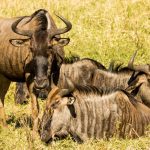
Masai Mara is the strongest first choice for big cats, abundant plains wildlife, and possible wildebeest activity. Add Amboseli for elephants and Mount Kilimanjaro views. Ol Pejeta suits rhino conservation, and Samburu suits northern specialist species. Lake Nakuru offers shorter routes and rhinos, while Tsavo offers broad landscapes and fewer vehicles. Nairobi National Park works well for short stays.
Chinese-speaking travelers often ask which parks combine easily on one route. The answer depends on how many nights you have and whether you are happy to fly between airstrips or would prefer road transfers.
| Park or area | Why it appeals | Minimum nights for a first timer | Indicative non-resident entry fee per adult per day |
|---|---|---|---|
| Masai Mara | Big cats, plains game, possible river crossings | 3 nights | USD 100 (Jan to Jun), USD 200 (Jul to Dec) |
| Amboseli | Elephants, wetlands, Kilimanjaro backdrop | 2 nights | USD 90 |
| Lake Nakuru | Rhinos, flamingos, easy drive from Nairobi | 1 to 2 nights | USD 90 |
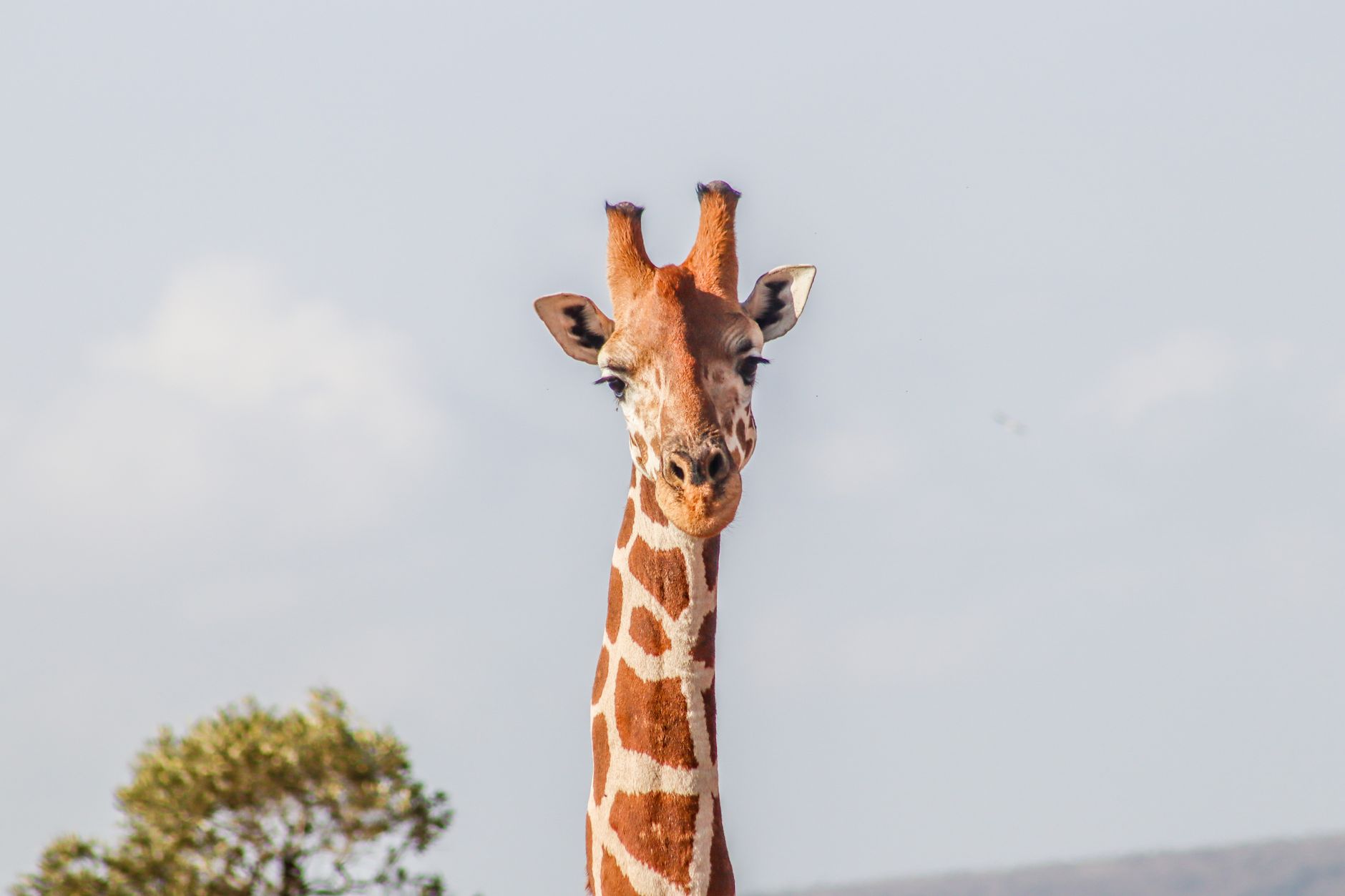
| Samburu | Reticulated giraffe, Grevy’s zebra, beisa oryx | 2 nights | USD 60 to 80 |
| Ol Pejeta | Rhino conservation, chimpanzees, night drives | 1 to 2 nights | USD 90 to 130 |
| Tsavo East or West | Wide landscapes, fewer vehicles | 2 nights | USD 80 |
For the most common decision, see our Masai Mara vs Amboseli comparison. For more detail, read the Masai Mara safari guide, Amboseli safari guide, or Samburu safari guide. You can also read the Lake Nakuru guide, Ol Pejeta Conservancy guide, or Tsavo safari guide.
When is the best time to take a Kenya safari?
Choose July to October for the best chance of seeing wildebeest movement in the Masai Mara, but expect higher fees, demand, and vehicle numbers. Masai Mara entrance fees rise in peak season too. The fee is USD 100 per adult per day from January through June. It rises to USD 200 per adult per day from July through December. Budget for the higher rate if wildebeest season is your priority.
January to March brings calving, predator activity, greener scenery, and often better value. April, May, and November can reduce costs and crowds, although rain may make tracks muddy and sightings less predictable.
The wildebeest migration does not run on a fixed calendar. River crossings can happen earlier or later depending on rainfall. If your main goal is predator action, January and February can be excellent because newborn wildebeest attract lions and cheetahs.
For a Kenya safari from China, the best month also depends on school and work holidays. July and August are busy in many countries, so guide demand peaks. Mandarin-speaking guide availability can be tightest then. Book four to six months ahead if you want specific dates. Our best time to visit the Masai Mara guide breaks down the seasonal trade-offs in more detail.
What itinerary works best for a first Kenya safari?
Plan seven to nine nights with at least five full game-drive days. A balanced first route uses Nairobi for arrival. It continues with three nights in the Masai Mara, then two or three nights in Amboseli, Lake Nakuru, Samburu, or Ol Pejeta. Choose domestic flights when reducing long road transfers matters more than seeing the changing landscapes between parks.
A common first route looks like this:
- Night 1: Nairobi, to recover from the long flight
- Nights 2 to 4: Masai Mara
- Nights 5 to 7: Amboseli
- Night 8: Nairobi or a return flight home
This gives you three full days in the Mara and two full days around Amboseli. If you prefer shorter drives, replace Amboseli with Lake Nakuru and add a night at Ol Pejeta. If you want northern species such as Grevy’s zebra and reticulated giraffe, choose Samburu instead. For conservation-focused travelers, the Ol Pejeta Conservancy guide explains the rhino and chimpanzee programs well.
Domestic flights add cost but save time. Road transfers let you see the landscape change, but some routes take long hours. For a first trip, many Mandarin-speaking travelers choose one internal flight to reduce fatigue. Keep your last night near Nairobi so you have a buffer before your departure.
How should Mandarin-speaking travelers handle Kenya eTA and booking?
Chinese passport holders should obtain an approved Kenya Electronic Travel Authorisation before departure through Kenya’s official online system. Apply one to two weeks ahead, using passport, photograph, flight, accommodation, and payment details. Keep the approval both digitally and offline. Request Mandarin support four to six weeks ahead for July to December travel and obtain the arrangement in writing.
The eTA is not a visa stamp. It is an electronic travel authorization linked to your passport. Start the application only on Kenya’s official government site, and do not pay an agency until you have checked the current official fee. You will need a passport photo, return flight details, accommodation names, and a payment card.
Travel insurance is a separate step from the eTA, and medical evacuation cover matters on safari because some parks are far from hospitals. See our Kenya safari insurance and evacuation cover page before you finalize plans.
When you book, ask the operator to confirm the guide arrangement in writing. A simple line such as “Mandarin-speaking interpreter will accompany all game drives” prevents surprises. Also check whether airport transfers include Mandarin support, because the first person you meet may be a driver, not your safari guide.
What are the most common questions about a Mandarin-speaking safari?
These five questions come up again and again when Mandarin-speaking travelers plan Kenya. The short answers below cover guide availability, guide costs, the eTA, itinerary length, and the timing of the wildebeest migration.
Are there Mandarin-speaking safari guides in Kenya?
Yes, specialist operators can arrange Mandarin-speaking guides, especially for private safaris, but supply is limited. Confirm whether the guide is a bilingual driver-guide or an interpreter accompanying an English-speaking driver-guide before booking.
How much does a Mandarin-speaking safari guide cost in Kenya?
A driver-guide plus Mandarin interpreter arrangement may cost about USD 100 to 150 combined per day. A dedicated Mandarin-speaking driver-guide can cost more, often USD 180 to 250 when availability is tight.
Do Chinese passport holders need a Kenya eTA?
Yes, Chinese passport holders need an approved Kenya Electronic Travel Authorisation before departure. Applications require passport and travel details, and travelers should verify current requirements and fees through Kenya’s official online system before paying.
What is the best Kenya safari itinerary for Chinese travelers?
A first safari usually works well with seven to nine nights. Plan one night in Nairobi, three nights in the Masai Mara, and two or three nights in Amboseli, Lake Nakuru, Samburu, or Ol Pejeta. The best combination depends on whether wildlife variety, elephants, rhinos, conservation, or shorter transfers is the priority.
When is the best time to visit Kenya for the wildebeest migration?
July to October generally offers the strongest opportunity to see wildebeest activity in the Masai Mara, including possible river crossings. Exact timing varies annually, and this period brings higher park fees, accommodation prices, crowds, and guide demand.
If you want to bring home crafts that reflect your trip, read our responsible souvenir shopping in Kenya so your purchases support local communities.
How should I choose a Kenya safari operator for Mandarin support?
To choose well, compare at least two or three operators and ask each one to name the guide who will travel with you. Compare safari operators and browse packages at FindMySafari, Valley Safaris, or Trunktrails Safaris. That lets you see different routes, guide arrangements, and prices side by side before you pay.
Where can I find more safari planning resources?
- Kenya safari packages from SafariPure
- Masai Mara Great Migration guide from Trunktrails Safaris
- Map of Amboseli from Valley Safaris
- Compare Kenya safari packages on FindMySafari