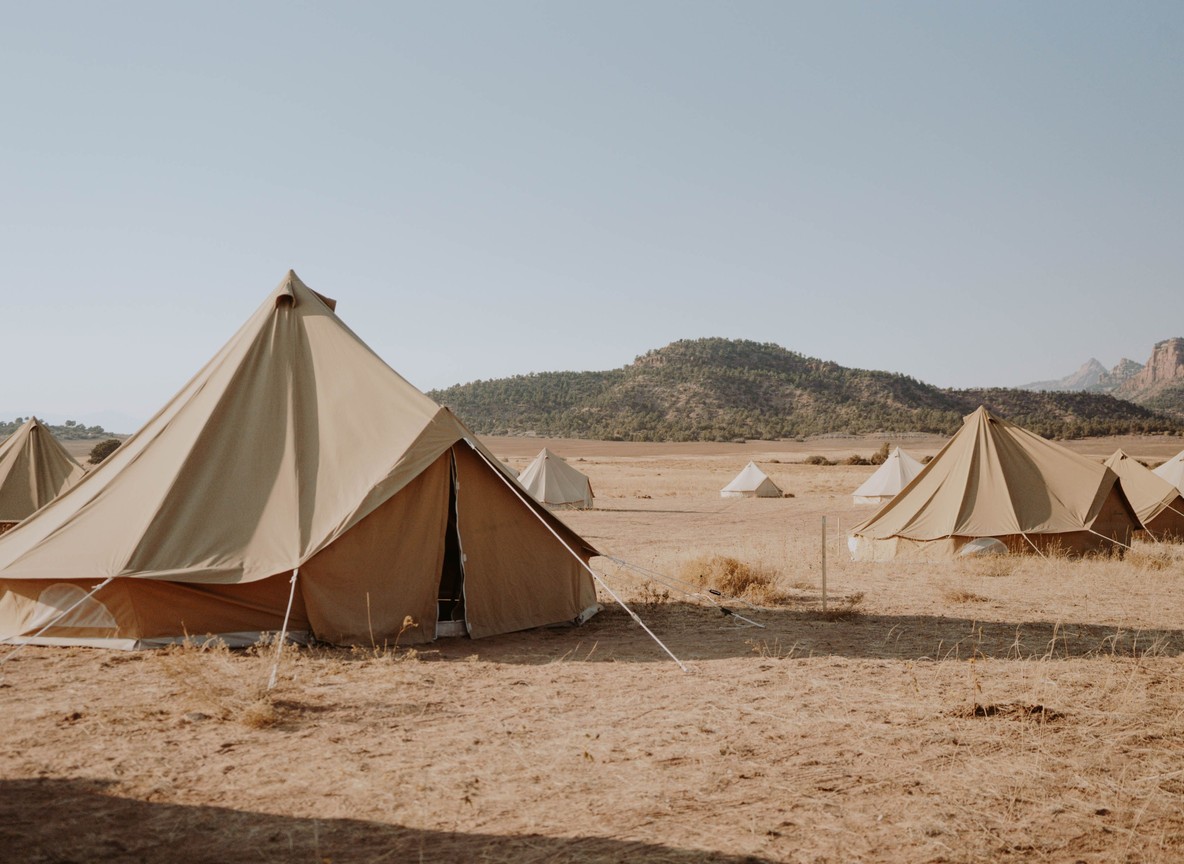
Most Kenya safari camps wash your clothes for free, and most travelers do not know that until they arrive. It is one of the least discussed amenities in trip planning, yet it changes how much you need to pack. Touring Insights put together this guide so you know exactly what “laundry included” means before you fill a second suitcase you did not need.
The short answer: complimentary laundry is close to standard at mid-range and luxury Kenya camps, but the fine print varies. Some items never go in the wash. Turnaround times shift with camp size and location. Here is what actually happens to your clothes once you hand them to camp staff.
What “Laundry Included” Actually Means
At most Kenya safari camps, “laundry included” covers a same-day or next-day wash, dry, and fold service for everyday clothing, at no extra charge, for the length of your stay. A laundry bag and slip usually sit in your tent or room on arrival. You list what you are sending, leave the bag out by mid-morning, and it comes back that evening or the following morning, pressed and folded.
This is standard practice across most classic tented camps, permanent lodges, and mobile camps in the Maasai Mara, Amboseli, and Samburu ecosystems. It is not a luxury add-on reserved for five-star properties. Even mid-range camps offer it, because staffing costs in Kenya make in-house laundry far cheaper than travelers expect from a Western hotel context.
Why Some Camps Won’t Wash Certain Items
Almost every camp excludes underwear from the general laundry service, by long-standing convention rather than hygiene policy alone. Guests are expected to hand-wash these themselves, and most tents include a small basin or sink for exactly that purpose. It catches first-time safari travelers off guard more than any other detail in this guide.
Delicate fabrics, silk, and items with beading or sequins are also commonly excluded, since camp laundry facilities are built for durable cotton and synthetic safari wear, not dry-clean-only pieces. Some remote mobile camps skip machine washing altogether and hand-wash everything in limited water, which stretches turnaround to a full day or more.
Ask at check-in exactly what is covered. Policies differ enough between properties that assuming “everything but underwear” is not always safe.
Laundry Service by Camp Tier: What to Expect
| Camp Tier | Laundry Included | Typical Turnaround | Exclusions |
|---|---|---|---|
| Budget and campsite-style | Rarely included; self-service or paid per item | 1-2 days if offered | Often no laundry service at all |
| Mid-range permanent lodge | Usually included, free | Same day to next morning | Underwear, delicates, dry-clean-only items |
| Classic and mobile tented camp | Usually included, free | Next morning, sometimes 1-2 days in remote sites | Underwear, delicates; some hand-wash only |
| Luxury lodge and camp | Included, sometimes with express same-day option | Same day, often within hours | Underwear at some properties; dry-cleaning rarely available |
The pattern holds across nearly every tier above budget camping: free laundry is common, underwear is the near-universal exception, and remote or mobile locations take longer simply because water and drying space are more limited.
How the Same-Day Turnaround Actually Works
Camp laundry runs on a simple loop built around your daily game drive schedule. You leave your bag out before the morning drive, staff wash and hang items to dry through the day while you are out in the park or conservancy, and everything is folded and returned to your tent before dinner.
Sun and wind do most of the drying work at outdoor camps, which is why laundry left out by mid-morning usually comes back dry by evening, even without machine dryers. Overcast or rainy-season days slow this down, and camps in wetter regions or during the long rains (typically March through May) sometimes push turnaround to the next morning instead of same day.
Mobile camps that relocate seasonally, including operators running sites in Mara conservancies like Ol Kinyei and Naboisho, tend to be upfront that laundry may take a full day when the camp has just moved and water systems are still settling in.
Distances, Fees, and Where Laundry Timing Matters Most
Laundry turnaround interacts directly with your itinerary. A one-night stopover camp cannot promise next-morning laundry the way a three-night stay can, so knowing your route helps you plan which nights to hand off washing.
| Route or Camp Area | Distance / Time from Nairobi | Fee Context |
|---|---|---|
| Nairobi (Wilson Airport) to Maasai Mara airstrips (Keekorok, Ol Kiombo) | approx. 45 minutes by air | Maasai Mara National Reserve entry: indicative USD 80 per adult per day |
| Nairobi to Maasai Mara via Narok (road, Sekenani Gate) | approx. 270-290 km, 5-6 hours | Conservancy fees (Naboisho, Ol Kinyei) run separately, indicative USD 70-100 per person per night |
| Nairobi (Wilson Airport) to Amboseli (Empusel or Iremito airstrip) | approx. 40 minutes by air | Amboseli National Park entry: indicative USD 60 per adult per day |
| Nairobi to Amboseli via Namanga road | approx. 240 km, 4 hours | Amboseli National Park size: 392 km2 |
| Nairobi (Wilson Airport) to Samburu airstrip | approx. 50 minutes by air | Samburu National Reserve entry: indicative USD 70 per adult per day |
A same-night arrival at a fly-in camp near Ol Kiombo or Keekorok still leaves a full day for laundry before checkout on a three-night stay. A quick one-night stop en route between parks often does not, so pack a few extra changes for short connecting nights regardless of what the camp offers.
What to Pack Knowing Laundry Is Included
Free laundry is the single best argument for packing light on a Kenya safari. Five days of clothing rarely needs more than three or four outfit changes if you can wash every one or two days, and most camps make that realistic.
Pack quick-dry synthetic or cotton-blend safari wear over heavy denim or thick cotton, since fast-drying fabric fits the sun-and-wind drying cycle camps rely on. Bring two to three days of your own underwear regardless of camp policy, since hand-washing in a tent basin is slower to dry than machine-washed items, especially in humid or rainy conditions.
A collapsible mesh laundry bag is worth packing too. It keeps your items separate from the camp’s shared bag system and makes repacking faster on multi-camp itineraries where you move lodges every two or three nights.
When Camps Charge Extra for Laundry
Extra laundry charges show up in a few specific situations rather than as a blanket policy. Express or rush service, when you need items back within an hour or two instead of by evening, sometimes carries a small surcharge at busier luxury properties. Dry-cleaning, when a camp can offer it at all, is almost always a separate paid service, not part of the standard free wash.
Some budget and self-catering camps charge per item or per load instead of including laundry in the room rate. If your itinerary mixes camp tiers, confirm the policy at each property rather than assuming it carries over from your last stop, since a policy that held at a luxury lodge in the Mara does not automatically apply at a budget camp near Amboseli’s Kimana Gate.
Explorer Notes
Hand your laundry bag over with a rough count of items, since it helps staff track pieces and return everything correctly, especially on busy camp days with several tents checking laundry in at once. If a favorite shirt is delicate or has any beading, hand-wash it yourself or flag it clearly rather than assuming staff will spot it.
Ask at check-in whether the camp has an express option for your last full day, since getting laundry back a few hours earlier makes packing for an early departure far less stressful. Camps that move seasonally, including several mobile operators in Mara conservancies, are usually candid if a recent relocation has slowed their laundry turnaround, so it is worth asking directly rather than assuming standard timing applies.
Tip housekeeping staff separately if laundry service impressed you. It is rarely mentioned in general tipping guidance but is genuinely appreciated by the staff who hand-wash and press clothing daily.
Frequently Asked Questions
Do Kenya safari camps really wash clothes for free? Yes, at most mid-range and luxury camps. It is standard practice, not a premium add-on, though budget camps sometimes charge per item or skip the service.
Will camps wash my underwear? Usually not. Most camps exclude underwear from the general laundry service by convention, and guests hand-wash it themselves using the basin provided in most tents.
How long does camp laundry take? Same day to next morning is typical. Remote or recently relocated mobile camps sometimes need a full day or more, especially during the rainy season.
Can I pack less if laundry is included? Yes. Three to four outfit changes usually cover a week-long safari if you wash every one to two days, which most camps support.
Do luxury camps charge extra for laundry? Rarely for standard washing. Extra charges typically apply only to express turnaround or dry-cleaning, when a camp offers it at all.
Confirm laundry policy directly with your camp before you pack, since it genuinely changes how much luggage you need. Our Tour Packages page lists routes across the Mara, Amboseli, and Samburu, and a partner operator can confirm current amenities for your specific camps before you fly.
What to Read Next
- Curious what else separates camp tiers? Read our swimming pools at Kenya safari camps guide.
- Wondering about other off-grid camp amenities? See our safari bucket shower explained.
- Packing for a multi-camp itinerary? Check our Kenya safari packing list for women.
Further reading
- Magical Kenya (Kenya Tourism Board)
- Maasai Mara Wildlife Conservancies Association
- Kenya Wildlife Service