Planning a Kenya safari for Italian speakers starts with the same basic questions. Where to go, when to travel, and what it will cost are the first things to settle. It adds one more question: whether you can rely on a guide who speaks your language. Italian-speaking safari guides exist in Kenya, but the pool is smaller than the English-speaking network, so early booking matters. This guide covers realistic costs, park choices, seasons, and entry requirements without the usual sales pitch.
How Much Does a Kenya Safari for Italian Speakers Cost?
An 8-day, mid-range Kenya safari usually costs about USD 2,500 to 4,000 per person, excluding international flights from Italy. Budget camping may cost roughly USD 150 to 250 per person per day, while luxury trips often exceed USD 600 daily. The final price depends on season, group size, park fees, vehicle type, guide, and lodge level.
Use these numbers as a planning starting point, not a fixed quote. Several choices push the total up or down. A private vehicle with an Italian-speaking guide costs more than sharing a vehicle with other travelers. Lodges inside conservancies charge a premium over camps outside park gates. Internal flights save time but add a significant cost. Green season rates can drop compared with July and August, though exact discounts vary by camp. For a fuller breakdown, see our detailed Kenya safari cost breakdown.
Here is an indicative table for planning an 8-day safari. Prices are per person and are not a quote.
| Tier | Typical daily rate | Rough 8-day total | Notes |
|---|---|---|---|
| Budget camping | USD 150 to 250 | USD 1,200 to 2,000 | Shared vehicles, simpler meals, basic tents |
| Mid-range lodge | USD 300 to 500 | USD 2,500 to 4,000 | Private or small-group vehicle, full board |
| Luxury camp | USD 600 and up | USD 4,800 and up | Private guide, premium lodges, conservancy stays |
International flights from Italy are separate. Booking early also helps, because top guides and camps fill during peak months.
How Do I Find an Italian-Speaking Safari Guide in Kenya?
Italian-speaking safari guides are available in Kenya, but the pool is smaller than the English-speaking guide network. Request one several months ahead and get written confirmation. Ask about field experience, language fluency, KPSGA credentials, and whether the guide personally leads every game drive rather than translating through a local coordinator.
Credentials matter. The Kenya Professional Safari Guides Association, or KPSGA, runs a voluntary certification system that tests guiding knowledge, first aid, and language ability. Ask for a guide with at least KPSGA bronze or silver level. Also check whether the person who answers your emails is the same person who will sit in the driver’s seat. Some operators translate between an English-speaking guide and an Italian-speaking coordinator, which can dilute the experience. A short video call before you pay a deposit can confirm fluency and personal style. For guidance on other languages, read our language-specific Kenya safari planning notes for French speakers.
Which Kenya Parks Are Best for Italian-Speaking Travelers?
The Masai Mara, Amboseli, Lake Nakuru, and Tsavo are the strongest choices for Italian-speaking travelers. The Masai Mara suits big cat sightings, Amboseli pairs elephants with Kilimanjaro views, Lake Nakuru offers rhinos and flamingos in a compact area, and Tsavo gives wider, quieter landscapes. Park choice should follow your wildlife goals, since your guide sets the language, not the park.
The Masai Mara is a strong all-round choice for big cats. It is especially good for lions. From late July to October, it also offers wildebeest crossing attempts. Read our Masai Mara safari guide for route details. Amboseli National Park delivers elephants against the backdrop of Mount Kilimanjaro. Lake Nakuru is compact, so rhinos and flamingos are reliable in a short visit. Tsavo offers broader, wilder landscapes with fewer vehicles.
If you are torn between the two most famous parks, our comparing the Masai Mara and Amboseli article breaks down the differences. For low light and close photography angles, look for camps with access to Masai Mara photography hides. Conservancies like Naboisho and Mara North limit vehicle numbers, so game drives feel more private. They also direct a share of bed fees to Maasai landowners, which supports conservation directly.
What Is the Best Kenya Safari Itinerary for 7 to 10 Days?
For seven days, combine Amboseli with the Masai Mara. Allow two or three nights in each and keep Nairobi for arrival or departure. With 9 to 10 days, add Lake Nakuru, Samburu, or a coastal extension rather than rushing between several parks. Internal flights can preserve game-viewing time on longer routes.
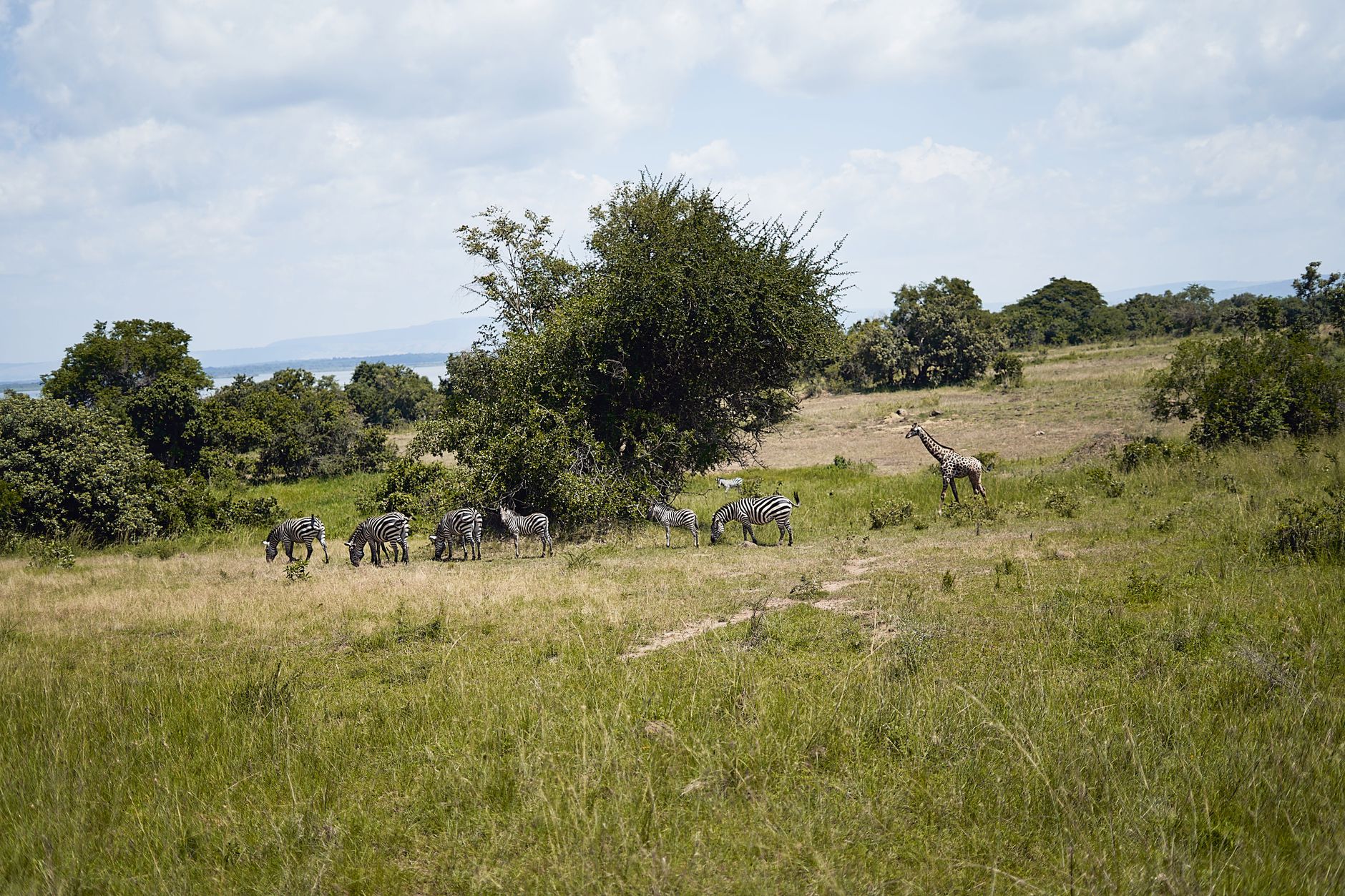
A seven-day Kenya safari itinerary can stay simple. Start in Nairobi to recover from the flight. Spend two nights in Amboseli for multiple game drives and a clear morning view of Kilimanjaro. Then fly or drive to the Masai Mara for two or three nights. That structure fits a week without feeling rushed. With 9 to 10 days, add Lake Nakuru, Samburu, or the coast. Samburu adds dry-country species such as Grevy’s zebra and reticulated giraffe. The coast near Diani gives a relaxed finish after safari. A one-night stop in an extra park is usually a wasted day, because unpacking and driving eat hours. Aim for at least two nights per park. See our Samburu safari guide and Diani beach guide for details. If you add a fourth park, use an internal flight for at least one transfer.
When Is the Best Time for an Italian-Speaking Kenya Safari?
July to October offers dry conditions and the best chance of witnessing the Masai Mara migration. It is also the busiest and most expensive period, and Italian-speaking guides book up quickly then. January to March brings good wildlife viewing with fewer visitors. April and May reduce prices but bring heavier rains and more difficult road conditions.
The best time depends on your tolerance for crowds and rain. High season from July to October is dry, the migration is active, and wildlife gathers near permanent water. Lodges fill months ahead, and prices are highest. January to March offers warm weather and good game viewing with far fewer vehicles. April and May are the long rains. Prices drop, but some roads become muddy and bush camps close for maintenance. The shoulder months of June, November, and early December can balance dry conditions with thinner crowds, though wildlife is less concentrated. For a deeper look at timing, read our best time to visit the Masai Mara article. If low-season travel tempts you, our Kenya safari low-season wildlife guide explains what changes.
What Do Italian Travelers Need Before Entering Kenya?
Italian citizens must obtain Kenya’s electronic travel authorization before arrival. They should also travel with a passport valid for at least six months, return-ticket details, and accommodation confirmation. A yellow fever certificate is generally required only when arriving from a country with yellow fever risk. It is not required when traveling directly from Italy, but health advice should still be checked with a doctor.
Kenya uses an electronic travel authorization, often called the Kenya eTA. Apply through the official government system, not through a third-party site that charges extra. You will need a passport valid for at least six months, a return ticket, and proof of accommodation. Start the application well before departure because processing can take a few working days. The eTA is not a traditional visa. You complete it online without visiting an embassy. Yellow fever is separate. If you fly directly from Italy, you normally do not need to show a yellow fever certificate. The rule changes if your trip involves a layover or prior visit to a country with yellow fever risk. Confirm current health requirements with a travel health clinic before you go. Pack routine medications, since pharmacies in remote safari areas are limited.
What Are the Most Frequently Asked Questions About Kenya Safaris?
Here are concise answers to the planning questions that come up most.
How much does a Kenya safari cost for an Italian traveler?
An 8-day mid-range safari generally costs about USD 2,500 to 4,000 per person, excluding flights from Italy. Budget camping costs less, while private luxury camps, peak-season travel, and internal flights can raise the total substantially.
Is there an Italian-speaking safari guide in Kenya?
Yes, Italian-speaking guides are available, but they are less common than English-speaking guides. Reserve early, confirm the language arrangement in writing, and check the guide’s safari qualifications and field experience before paying a deposit.
What is the best Kenya safari itinerary for 7 days?
A practical seven-day route is Nairobi, Amboseli, and the Masai Mara, with two or three nights in each safari area. This combination pairs elephant viewing and Kilimanjaro scenery with strong big-cat opportunities and, from July to October, possible migration sightings.
Do Italian citizens need a visa for Kenya?
Italian citizens need Kenya’s electronic travel authorization before traveling. Apply through the official government system before departure and carry the approval with your passport and accommodation details.
Do Italians need a yellow fever certificate for Kenya?
Travelers arriving directly from Italy generally do not need a yellow fever certificate. The certificate may be required if the itinerary includes arrival from, or transit through, a country with yellow fever risk. Confirm the current requirement with an official health authority before departure.
Where Can I Find More Kenya Safari Planning Resources?
A few trusted resources beyond this guide can help you cross-check timing, routes, and pricing for a Kenya safari for Italian speakers. Use them alongside your TouringInsights research before you commit to a route.
- Kenya safari packages from SafariPure
- Kenya wildlife tours from Trunktrails Safaris
- Best time to visit Kenya month-by-month map from Valley Safaris
- Compare Kenya safari packages on FindMySafari
Where Can I Compare Kenya Safari Packages Before Booking?
Compare operators before you book, rather than choosing on price alone. Checking more than one source helps you judge whether a quote for your trip is reasonable.
You can compare safari operators side by side on FindMySafari. Valley Safaris lets you browse packages with clear inclusions, and Trunktrails Safaris focuses on specialized itineraries. Your route and guide matter more than the name of the operator. Ask the same questions you would ask any tour company: who guides you, what is included, and what happens if your dates change.