Planning a Kenya safari from Romania usually starts with the same questions. Can I find a Romanian-speaking guide? Do I need a visa? What will it cost? This Kenya safari guide for Romanian speakers treats those questions as the starting point. It also lays out a realistic seven-day route and flags where older Romanian travel advice is now out of date.
What Does a Kenya Safari Guide for Romanian Speakers Include?
A complete guide covers translation support, the Kenya eTA, and realistic costs. It should also cover the seven-day route, wildlife timing, the Big Five, and safety advice. It should also correct outdated Romanian advice about the old eVisa system. Our step-by-step Kenya safari planning guide covers the same stages in detail.
Are There Romanian-Speaking Safari Guides in Kenya?
Native Romanian-speaking safari guides are uncommon in Kenya. The most reliable arrangement is an English-speaking Kenyan driver-guide, ideally with recognized guide training, combined with a Romanian tour leader or translator. Ask whether translation is included, who handles wildlife interpretation, and whether the translator joins every game drive or only airport transfers and lodge check-ins.
A KPSGA-certified guide brings deep local knowledge even when their first language is English or Swahili. The translator does not need to be a safari specialist. Their job is to make sure you understand safety briefings, park rules, and wildlife commentary in real time. Confirm before booking that the translator will be present on game drives, not just at the airport.
Do Romanian Citizens Need a Visa for Kenya?
Romanian passport holders should obtain Kenya’s electronic Travel Authorization before departure rather than relying on arrival processing. Apply through the official portal, carry the approval with your passport, and allow several working days for processing. Requirements can include passport validity, accommodation details, onward travel, and a payment card.
The official name matters. Kenya moved from the old eVisa to the eTA system, so older Romanian travel pages may give outdated instructions. The application includes a fee, currently around USD 30, and is completed online. Always check the official Kenyan immigration portal, not a third-party site, for the current rules and payment details.
How Much Does a Kenya Safari Cost?
A five-day Kenya safari has an indicative cost of roughly USD 1,500 to USD 3,700 per person before international flights, as a general estimate only. The exact range depends on road or fly-in travel, accommodation, season, and vehicle type. Request a quote that states park fees, transfers, meals, guide services, translator costs, tips, and optional activities separately so budget comparisons are genuine.
A seven-day version usually costs more because you add nights, more park fees, and longer transfers. For a clearer picture of the main price drivers, read our Kenya safari cost guide. Also decide early whether a private safari vehicle is worth the cost for your group.
Can You Combine Masai Mara and Amboseli in One Week?
Yes, but plan carefully. A seven-day trip should allow at least two nights in Amboseli and three nights in the Masai Mara. The road transfer between them is long, so plan it early. Flying between parks saves time and increases comfort, while driving costs less and adds scenic stops if the itinerary is not overcrowded.
A practical route looks like this. Spend one night near Nairobi, then two nights in Amboseli National Park. Add one travel night in the Rift Valley, then three nights in the Masai Mara. This gives you elephant herds with Mount Kilimanjaro behind them, then big-cat habitat and, from July to October, possible wildebeest river crossings. For park-level detail, read our Masai Mara safari guide and Amboseli safari guide. To mix parks beyond this pair, compare our Kenya safari itineraries by region.
When Is the Best Time to Visit Kenya for Wildlife?
July to October is the easiest period for predictable game viewing, with possible wildebeest river crossings in the Masai Mara. It also brings higher prices and more vehicles. January to March often offers excellent predator sightings, greener scenery, and fewer visitors. April and May can reduce rates, although rain may affect road transfers and daily sightings.
If you want the migration, focus on the Mara dry season. If you prefer fewer vehicles and still good wildlife, consider January to March. Our best time to visit the Masai Mara guide breaks down the month-by-month trade-offs.
Where Can You See the Big Five in Kenya?
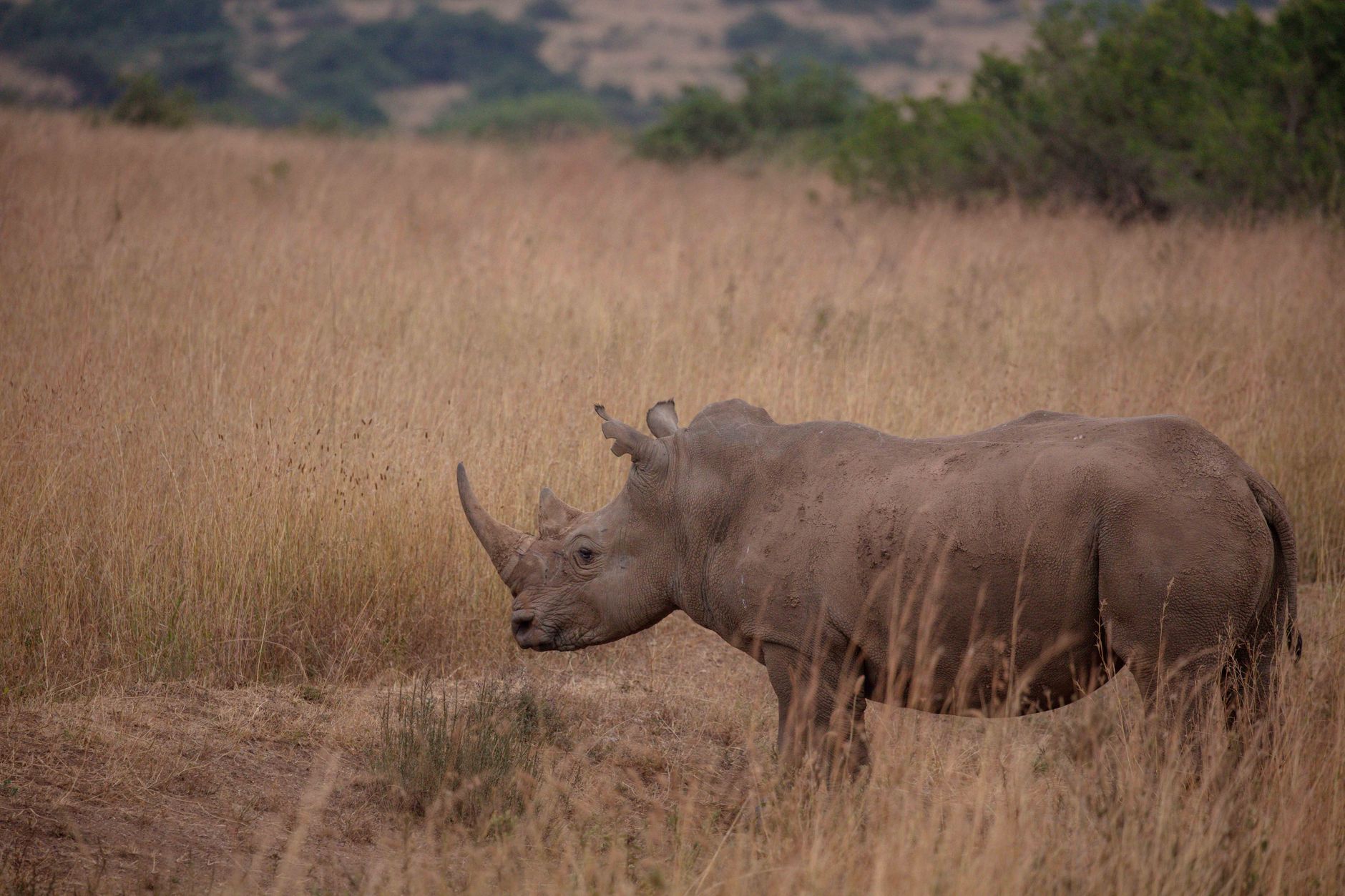
The Masai Mara offers regular Big Five sightings across open grassland, while Amboseli is especially known for large elephant herds and Kilimanjaro views. Laikipia conservancies add a quieter experience with species such as black rhino, Grevy’s zebra, and wild dog. Private conservancies can also permit guided walks and night drives unavailable in national reserves.
A good Kenya safari guide for Romanian speakers should mention named conservancies such as Ol Kinyei and Naboisho in the Mara ecosystem. Conservancy fees are separate from national reserve fees, and vehicle limits mean a more private experience. If you want a broader list, see our Big Five safari Kenya guide.
Is Kenya Safe for Romanian Tourists?
Kenya is generally safe for Romanian tourists when you use a reputable operator and follow guide instructions near wildlife. Plan medical advice, travel insurance, malaria prevention, safe airport transfers, and realistic driving times before booking. Carry prescribed medication in its original packaging and check yellow-fever requirements if arriving from an affected country.
Avoid walking outside camps after dark, keep valuables out of sight, and do not treat a tightly packed itinerary as safer or better value. For what to bring, see our Kenya safari packing list. If you have a specific health question, raise it with your doctor before you book.
What Should You Do Next on a Kenya Safari?
Once you know your eTA status, your rough budget, and how much translation support you need, the real decisions become personal. Which camp style fits you? How many game drives do you actually want each day? Does a night in a private conservancy feel worth the extra cost? Your answers will shape how you remember your first week in Kenya, long after the wildebeest crossings fade from memory.
More safari planning resources
- Kenya safari packages from SafariPure
- Kenya wildlife tours from Trunktrails Safaris
- Interactive Maasai Mara map from Valley Safaris
- Compare Kenya safari packages on FindMySafari