What Does a Kenya Safari Guide for Danish Speakers Cover?
This Kenya safari guide for Danish speakers covers the practical decisions for a first trip: guides, days, parks, seasons, costs, eTA, health, flights, and beach extensions. It is written for travelers who want honest trade-offs, not just a sales page. Use this Kenya safari guide for Danish speakers as a filter when you compare operators.
Is a Danish-Speaking Safari Guide Available in Kenya?
Yes. Availability is limited, especially in July, August, and December. Confirm whether the Danish speaker is the actual Kenya-based driver-guide, a separate tour leader, or an interpreter accompanying an English-speaking guide. Request the named guide, language coverage on every game drive, and professional credentials in writing before paying a deposit.
Many trips use a Danish tour leader for logistics while a local driver-guide handles driving and wildlife. That works well, but it is not the same as a Danish-speaking guide behind the wheel. Ask the operator to name your guide early and keep that name in your booking confirmation.
How Many Days Do You Need for a Kenya Safari?
Plan at least seven safari days for a balanced first trip, excluding international travel. A practical route is three nights in the Masai Mara, two nights in Amboseli, and one or two nights in Lake Nakuru, Samburu, or another region. Five days works, but usually means fewer parks and longer transfers.
Seven days lets you see two or three different landscapes without spending every day in the car. For sample routes, see Kenya safari itineraries by region. If you have five days, focus on the Masai Mara and Amboseli. More detail on pacing is in this 7-day Kenya safari planning guide.
Which Kenya Parks Suit a First Safari?
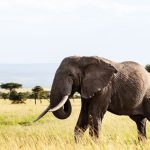
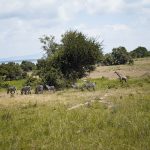
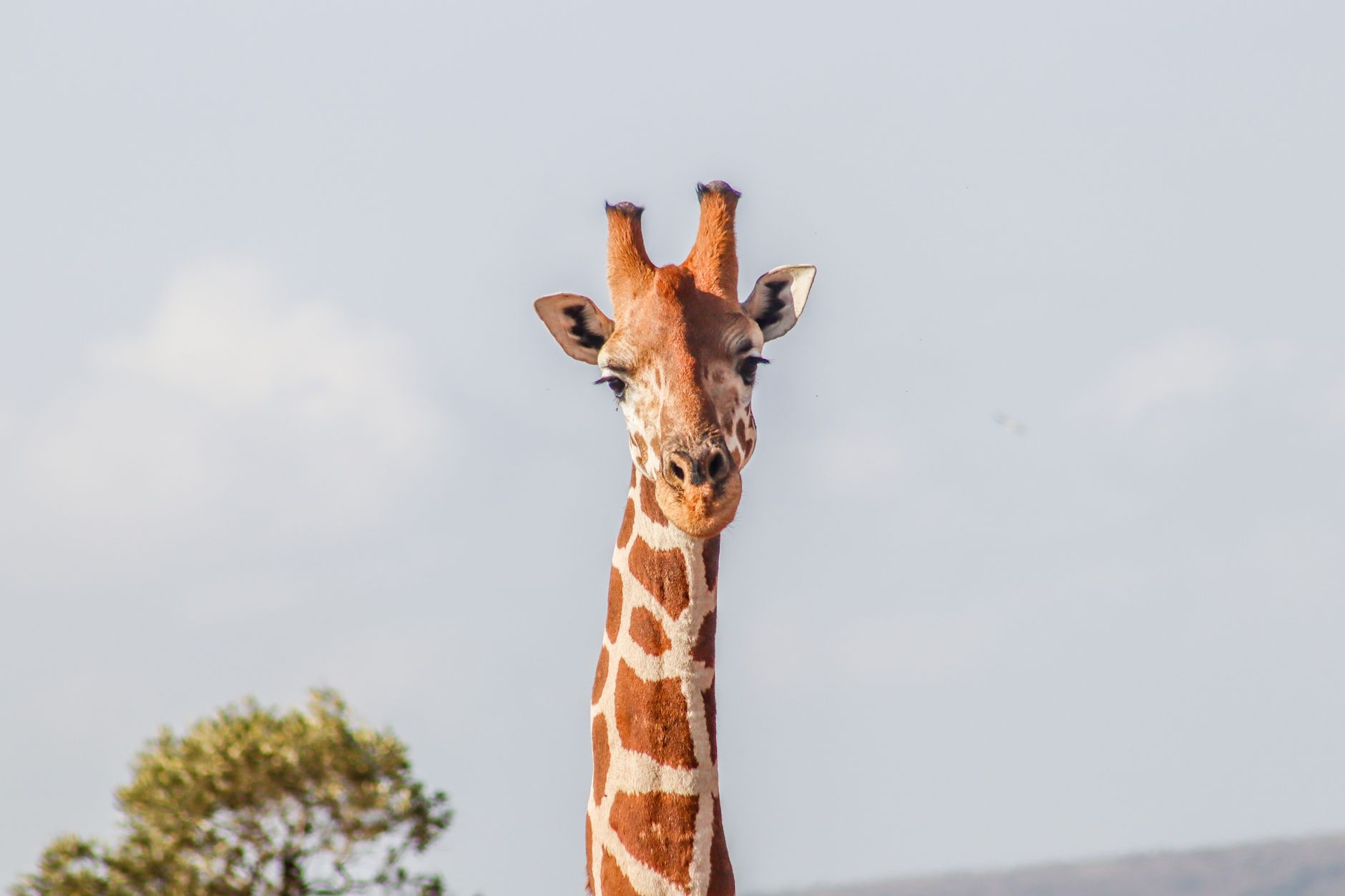
The Masai Mara is the best all-round choice for big cats, open plains, and seasonal wildebeest movement. Add Amboseli for elephants and Kilimanjaro views, Lake Nakuru for a compact rhino-focused stop, or Samburu for dry-country species such as Grevy’s zebra and reticulated giraffe. Conservancies near the Mara offer quieter drives and more flexible viewing.
Two or three parks are enough. The Masai Mara is the centerpiece; use the Masai Mara safari guide to plan. Amboseli adds elephants and Kilimanjaro views; see the Amboseli National Park guide. Lake Nakuru is compact and good for rhinos. Samburu has a drier, more northern character.
When Is the Best Time to Go on Safari in Kenya?
July to October is the easiest season for generally dry conditions, low grass, and concentrated wildlife, but it is also the busiest and most expensive period. June and November can provide a better balance of sightings, rates, and fewer vehicles. The March-to-May long rains are wetter, while November-to-December rains often remain manageable.
The best month depends on your tolerance for crowds and heat. If the wildebeest migration is a priority, July to October is safest in the Mara. If you want value, early June and November are underrated. See when to visit the Masai Mara.
How Much Does a Kenya Safari with a Danish-Speaking Guide Cost?
Indicative costs range from about USD 150 to 250 per person per night for budget camping. Mid-range lodges run USD 300 to 500, and luxury conservancy stays run USD 700 to 1,200. A Danish-speaking guide may add roughly USD 60 to 100 per day, although sharing that supplement across six to eight travelers reduces the per-person cost.
Use these as planning ranges. Actual rates depend on season, vehicle, park fees, and camp.
| Accommodation style | Indicative per person per night | What it usually includes |
|---|---|---|
| Budget camping | USD 150 to 250 | Tented camp, shared facilities, group vehicle |
| Mid-range lodge | USD 300 to 500 | Private room, meals, game drives in a shared vehicle |
| Luxury conservancy | USD 700 to 1,200 | Private conservancy, flexible timing, premium guiding |
Book eight to ten weeks ahead for peak periods and four to six weeks otherwise. Ask for an itemized quote. For a full budget breakdown, read the Kenya safari cost guide.
How Do You Verify and Book a Danish-Speaking Guide?
Ask for the guide’s full name, language level, guiding credentials, exact dates, and whether they will join every game drive. Confirm whether the operator belongs to a recognized Kenyan tourism association, request an itemized quote, and avoid sending full payment to a personal account. Book eight to ten weeks ahead for peak periods and four to six weeks otherwise.
A professional guide in Kenya should hold a recognized guiding license. A tour association adds protection if plans change. Keep the named guide in writing. If you carry large lenses, check Kenya safari photography permits before departure.
What About Flights, eTA, and Health from Denmark?
Travelers from Denmark generally connect to Nairobi through a European or Middle Eastern hub because direct Copenhagen to Nairobi flights are not standard. Apply online for Kenya’s eTA before departure and check current entry requirements. Danish visitors normally need yellow fever proof only when arriving from a country with transmission risk. Routine travel vaccines should be discussed with a clinic.
The eTA replaced the old visa process, so apply early. Most people fly into Jomo Kenyatta International Airport. Carry a printed copy of your eTA and insurance details. Verify health advice with a travel clinic before booking.
Can You Combine a Kenya Safari with a Beach Holiday?
Yes. Add three to five nights on the Kenyan coast after the safari, with Diani, Watamu, or the Lamu area offering different beach experiences. Flying from a safari airstrip or Nairobi is usually more efficient than returning by road. A seven- to ten-day safari followed by beach time creates a comfortable first Kenya itinerary.
Diani has long sand and the widest range of hotels. Watamu is smaller and good for snorkeling. Lamu is slower, with a different coastal culture. Start with the Diani Beach guide. If you prefer ending with wildlife, Ol Pejeta Conservancy works.
The Moments That Make a Safari Memorable
Every safari looks similar on paper. Game drives, sundowners, a campfire at night. What actually separates a trip worth remembering from one you forget happens in small moments. A guide who reads the wind right. A camp that shifts your route because the elephants moved overnight. That part is hard to see from a spreadsheet. FindMySafari, Valley Safaris, and Trunktrails Safaris each show a different slice of what that experience can look like.
More safari planning resources
- Kenya safari packages from SafariPure
- Kenya wildlife tours from Trunktrails Safaris
- Kenya tour packages from Valley Safaris
- Diani Beach guide on FindMySafari