A Kenya safari guide for Arabic speakers should focus on practical decisions, not just famous parks. You need the right eTA, a workable halal meal plan, a guide who can communicate clearly, and a route that does not collapse into long transfers. This guide sets out a realistic seven-day plan for your first Kenya safari.
Do Arabic Speakers Need a Kenya eTA?
Most Arabic-speaking visitors need an approved Kenya Electronic Travel Authorization before departure. Kenya no longer relies on visa-on-arrival processing for ordinary visitors. Each traveler, including children, needs an individual application. Apply at least one week before flying, use passport details exactly as printed, and carry both digital and printed approval at the airport.
If you hold a UAE, Saudi, Qatari, Kuwaiti, Bahraini, or Omani passport, plan to use the same eTA process. There is no separate line or exemption for Gulf citizens. The official immigration portal is the only source you should trust. Some third-party sites charge extra and may not update your details correctly.
The eTA application asks for passport data, flight details, and sometimes proof of where you will stay. If you have not booked lodges yet, you may need to provide a rough itinerary. Some travelers complain that eTA approval does not arrive instantly. That is why the one week buffer matters. If your flight is sooner, use the priority option if available, but do not rely on it.
Which Parks and Conservancies Are Best for a Masai Mara Safari?
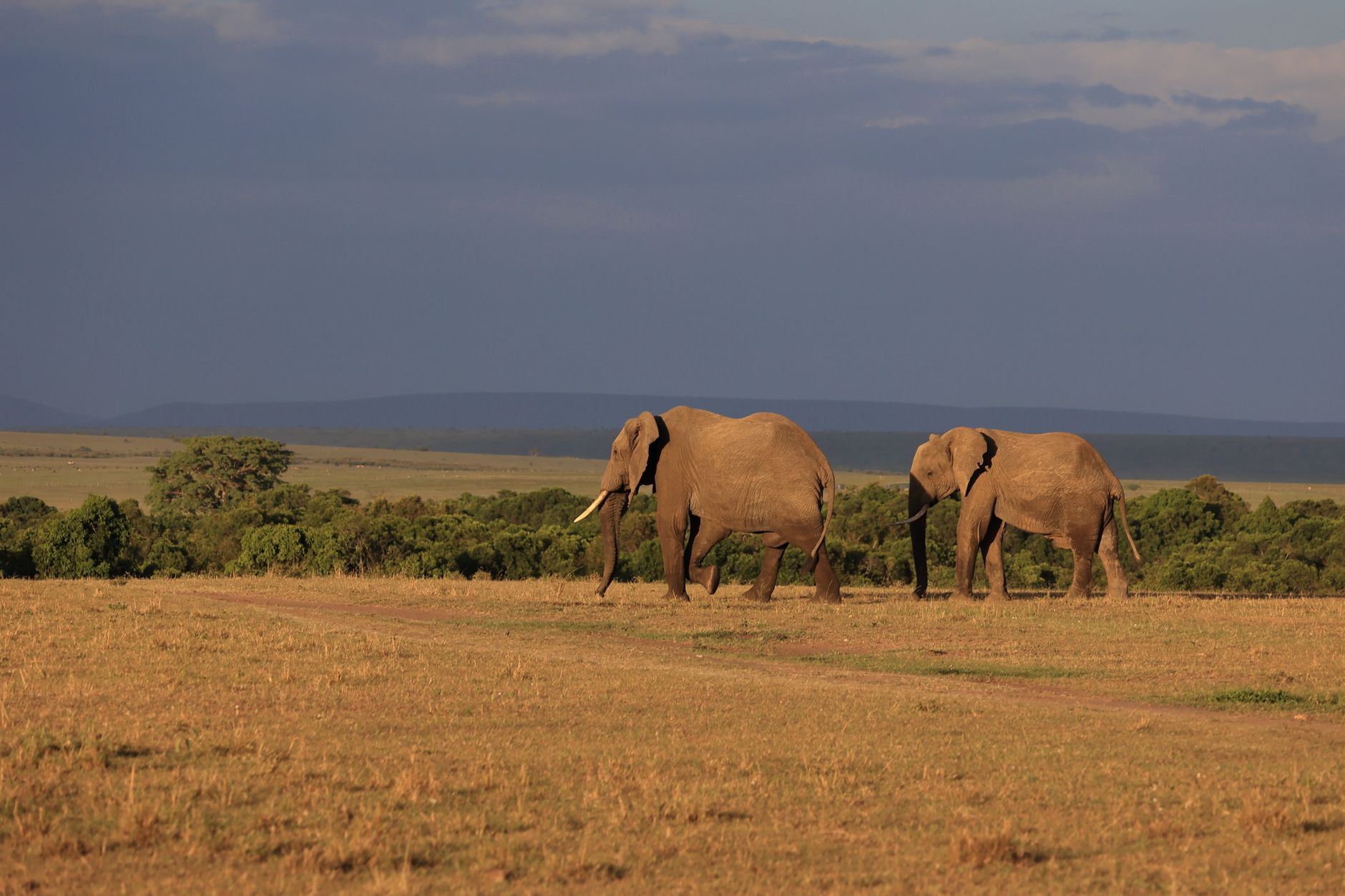
Choose the Masai Mara for big-cat sightings and the July-to-October migration. Choose Amboseli for elephant viewing beneath Mount Kilimanjaro. Choose conservancies such as Naboisho or Olare Motorogi for quieter drives and off-road access where permitted. January to March often brings excellent predator viewing with fewer visitors. April and May offer lower prices but wetter conditions.
The Masai Mara remains the most popular park for lions, leopards, cheetahs, and wildebeest. The Mara ecosystem also includes private conservancies such as Naboisho and Olare Motorogi. These areas spread vehicles more widely, support local Maasai landowners, and sometimes allow off-road driving where the national reserve does not. For elephants and views of Kilimanjaro, combine the Mara with Amboseli. If you want a drier northern experience, consider Samburu for reticulated giraffes and Samburu special five species.
Start with our Masai Mara guide for camp areas and river crossing details. Our Amboseli guide explains elephant viewing and the local climate. If your dates fall outside the peak season, check the best low-season months for wildlife before you decide.
| Season | Typical wildlife experience | Crowd and price feel |
|---|---|---|
| July to October | Masai Mara migration, dry days, possible river crossings | Busy and higher prices |
| January to March | Strong predator viewing, many young animals | Moderate crowds, better rates |
| April to May | Green scenery, birds, quieter parks | Low rates, wet roads |
How Does a Kenya Safari Guide for Arabic Speakers Handle Halal Meals and Prayer?
Halal meals are possible in Nairobi, Mombasa, and many safari camps, but you must request them before booking. Ask whether meat is certified halal, whether alcohol can be excluded, and whether the camp can provide prayer space, a mat, water for ablution, and meal timing that fits your schedule. Two to four weeks’ notice is sensible for remote camps.
For a halal safari Kenya, choose lodges that confirm in writing that they will prepare separate food. Many camps can remove alcohol from the room and dining area if you ask. Prayer times shift through the year, so download a reliable prayer app and agree with your guide on when you will stop for the five daily prayers. A short stop in the bush is usually easy to arrange.
When you ask for halal meals, be specific. Some camps interpret halal as no pork, while your standard may require certified meat. In remote camps the kitchen may not have a separate halal preparation area. A lodge can often serve chicken and fish as the default instead of beef. Confirm whether the same meat is used for other guests. It is better to ask early than to be disappointed after a long day of driving.
Are There Arabic-Speaking Safari Guides in Kenya?
Arabic-speaking guides are available in Kenya, especially when reserved early for peak-season travel, but availability varies by region and dates. Confirm whether the guide will lead the game drives or only assist with translation, and ask for English or Arabic explanations of wildlife behavior, safety, tipping, and lodge routines. A multilingual English-Swahili guide can still provide an excellent safari if Arabic fluency is unavailable.
If you want an Arabic-speaking safari guide, mention it at the first conversation with your operator. Confirm whether the guide will be with you for the whole trip or only for selected days. Peak season, especially July to October, fills calendars early. Ask the operator to state in writing whether the guide speaks Modern Standard Arabic, Gulf Arabic, or a North African dialect, because everyday vocabulary varies.
Most Kenyan guides are trained in English and sometimes Swahili. Arabic speakers are rarer, so an operator may quote a higher rate for a specialist. If you book a shared safari, you may not control the guide language. A private safari is the safest way to guarantee Arabic support. If no Arabic guide is free, ask for a guide who speaks clear English and can stop to let you translate the key points yourself.
How Many Days Do You Need for a Kenya Safari Itinerary?
Plan at least five safari nights, or seven to nine nights for a more comfortable first visit. A balanced route is one Nairobi night, three nights in the Masai Mara, two nights in Amboseli or a conservancy, and an optional final Nairobi or Naivasha night. Avoid adding too many parks: long road transfers reduce wildlife time and make prayer, meals, and rest harder to manage.
A seven-day Kenya safari itinerary, counting your international arrival day, might look like this:
- Night 1: Nairobi hotel near the airport
- Nights 2 to 4: Masai Mara or a nearby conservancy
- Nights 5 to 6: Amboseli
- Night 7: Final Nairobi hotel, then depart the next morning
Do not try to add Samburu, Lake Nakuru, and Tsavo in one week. The distances look small on a map, but road sections are slow. It follows a similar route to a practical seven-day Kenya safari plan, which was written for Korean speakers but has logistics that apply to any first-time visitor.
A common mistake is to add Lake Nakuru because it has flamingos and rhinos. The route works, but it adds a full day of driving. If you have seven nights only, choose between Amboseli and Lake Nakuru. You can also fly from the Mara to the coast for the last two nights. This reduces road time, but it adds an extra airport transfer and cost.
How Much Does a Kenya Safari Cost in 2026?
A realistic mid-range safari commonly costs about USD 350 to 550 per person per night before international flights. Budget camps may start near USD 150 to 250 per person per night. Luxury camps can exceed USD 700 per person per night. Confirm whether the quote includes park or conservancy fees, accommodation, meals, game drives, transfers, and domestic flights. Masai Mara fees vary by season, so request a dated, itemized quotation rather than relying on one headline price.
| Safari style | Indicative cost per person per night | What it usually includes |
|---|---|---|
| Budget camp | USD 150 to 250 | Simple tent or bandas, meals, shared game drives, park fees sometimes extra |
| Mid-range lodge | USD 350 to 550 | En-suite room, meals, shared or private game drives, park fees sometimes extra |
| Luxury camp | USD 700 and up | Large tent or suite, meals, private vehicle and guide, drinks, flights often extra |
These ranges are indicative. The final number depends on season, lodge class, private versus shared vehicle, and whether you fly between parks. Some camps publish lower rates for Kenyan residents and East African visitors; foreign visitors pay a different rate. Ask your operator to copy the official park fee table into your quotation. A fully inclusive quote may include soft drinks, laundry, and a daily game drive allowance. A cheaper rate may cover only a morning drive and leave the afternoon drive as extra.
A Kenya safari guide for Arabic speakers should give you a dated, itemized quote. For a fuller breakdown, see our Kenya safari cost breakdown. If a price seems too good, ask what has been removed.
What Should Arabic Speakers Pack and Prepare for Flights?
Build a safety buffer after arriving at Nairobi’s Jomo Kenyatta International Airport before connecting to a safari flight, especially when baggage must be collected or terminals changed. Pack modest, breathable layers, a hat, sunscreen, comfortable closed shoes, a refillable bottle, and a prayer mat. Confirm luggage limits for bush flights, lodge dress expectations, mobile coverage, and emergency contact procedures before departure.
Domestic safari flights use small planes with strict baggage limits, so ask for the exact figure before packing. Soft bags are easier to store than hard suitcases. Your international arrival may require a terminal change or baggage collection. Build in a night in Nairobi so you are not racing to a bush flight. Pack a light scarf or shawl for modesty in villages or lodges, and a long-sleeved shirt for evening game drives.
A light, long-sleeved shirt is also useful for sun protection. Do not bring camouflage clothing, because it is restricted in Kenya. Keep medications in the original packaging and carry a doctor’s letter for injectable items. Charge cameras and power banks before each drive. A simple power adapter with surge protection helps in remote camps. Our Kenya safari packing list has a fuller item-by-item menu.
Is Kenya Safe for Arab Tourists?
The main Kenya safari circuit is well established, and many visitors travel it safely each year. Use the official Kenya eTA process, listen to your guide, keep valuables secure, and choose a reputable operator. Check your government’s travel advice before departure for current security updates.
Most safety concerns come down to normal travel discipline. Use airport taxis from official counters, do not leave bags unattended, and follow your guide’s instructions near wildlife. The safari circuit itself is not a high-risk area. Your embassy travel advice will give you current notes for the regions you plan to visit. Remember that wildlife is wild. Do not stand up in an open vehicle, do not walk at night without a guard, and never approach a river crossing ahead of the guide. Lodge staff will explain the camp rules.
What Do Arabic Speakers Ask Most About a Kenya Safari?
Do Arabic speakers need a visa for a Kenya safari?
Most foreign visitors, including travelers from Gulf and Middle Eastern countries, need an approved Kenya Electronic Travel Authorization before boarding. Apply online before departure and check the current fee and document requirements through Kenya’s official immigration portal, because entry rules and charges can change.
Can I get halal food on a Kenya safari?
Yes, many safari lodges and camps can provide halal meals, particularly in the Masai Mara and other major tourism areas. Request halal food when booking, clarify whether certification is required, and ask the camp to confirm separate preparation, alcohol-free dining, and suitable meal timing in writing.
Are there Arabic-speaking safari guides in Kenya?
Arabic-speaking guides can be arranged, especially in the Masai Mara and on Kenya’s coast, but they are not guaranteed for every date or camp. Request an Arabic-speaking driver-guide when making the booking and confirm whether the person will accompany the full safari rather than provide occasional translation.
What is the best month for a Kenya safari?
July to October is popular for dry weather and possible wildebeest migration crossings in the Masai Mara, but it is also busier and more expensive. January to March can offer strong wildlife viewing with fewer crowds, while April and May usually bring rain, greener scenery, and lower rates.
How many days do I need for a Kenya safari?
Five safari nights is a practical minimum, while seven to nine nights allows a first-time visitor to combine the Masai Mara with Amboseli, a conservancy, or Naivasha without rushing. Include international travel days separately and limit the route to two or three main regions to avoid losing time to transfers.
Where Should You Book a Kenya Safari?
For planning help, browse packages and compare safari operators through FindMySafari, Valley Safaris, or Trunktrails Safaris. They can match your dates, budget, and need for halal meals or an Arabic-speaking guide. Start with a clear route and an itemized quote, and you will be ready for a calm, memorable safari.
Where Can You Find More Kenya Safari Planning Resources?
You can find more planning detail through the partner guides and maps below, covering wildlife tours, packages, and Masai Mara routes.
- Kenya safari packages from SafariPure
- Kenya wildlife tours from Trunktrails Safaris
- Interactive Maasai Mara map from Valley Safaris
- Masai Mara destination guide on FindMySafari