Planning a Kenya safari for German speakers starts with one useful fact: you do not need to speak perfect English to enjoy it. Kenya’s safari guides work daily with international visitors. German-speaking options exist, but they are limited. This guide explains what it costs, how to arrange a German-speaking guide, which parks to choose, and what documents you need. It also gives you a realistic seven-day route.
How much does a Kenya safari for German speakers cost?
A realistic seven-day, mid-range Kenya safari costs about €2,000 to €4,000 per person, excluding or depending on international flights and trip style. Budget camping can cost less, while private vehicles, German-speaking guides, internal flights, peak-season Masai Mara fees, and luxury conservancies can push the total above €5,000.
These are broad 2026 planning ranges. Your final quote depends on season, property, group size, and transport style.
| Trip style | Indicative cost per person, 7 nights | Typical inclusions |
|---|---|---|
| Budget camping | €1,500 to €2,500 | basic tents, shared vehicle, meals, park fees, guide |
| Mid-range lodge or tented camp | €2,000 to €4,000 | private or small-group vehicle, full board, fees, guide, transfers |
| Luxury conservancy camp | €4,500 to €7,000 or more | private vehicle, high-end guiding, conservancy fees, sometimes flights |
For a family or a private group, per-person prices usually drop when you fill a vehicle. Solo travelers pay more because they carry the vehicle cost alone. Mid-range tented camps often sit between €180 and €350 per person per night. Luxury camps can run well over €500 per night.
Ask operators for an itemized quote. If a price looks too low, check what is excluded. For a deeper look at fees and vehicle costs, see our Kenya safari cost guide.
Can you book a German-speaking safari guide in Kenya?
Yes, but German-speaking driver-guides are limited and should be confirmed in writing before payment. Most Kenyan guides work in English. A German-speaking guide may be available through a private operator, though options are limited. If the best available wildlife guide only speaks English, many travelers prefer to add a translator or German-speaking tour leader instead of switching guides.
In most game-drive situations, English is enough. You point, the guide names the animal, and you watch. Tour companies in Germany often sell safaris with a German-speaking tour leader. That person handles logistics and translates when needed. Your actual driver-guide in the park may still work in English. Many travelers like that setup because the driver-guide stays focused on wildlife.
If you want the guide to speak German personally, ask for it in writing before you pay. Some operators add a language fee. Confirm the guide’s name if you can. In high season, German-speaking guides are booked early.
Which Kenyan parks are best for German-speaking travelers?
A first safari usually combines the Masai Mara for big cats and open-plains wildlife, Amboseli for elephants and Kilimanjaro views, and Lake Nakuru for rhinos and compact game viewing. Add Samburu for dry-country species and cultural depth, or Tsavo for larger landscapes, red-dusted elephants, and fewer visitors.
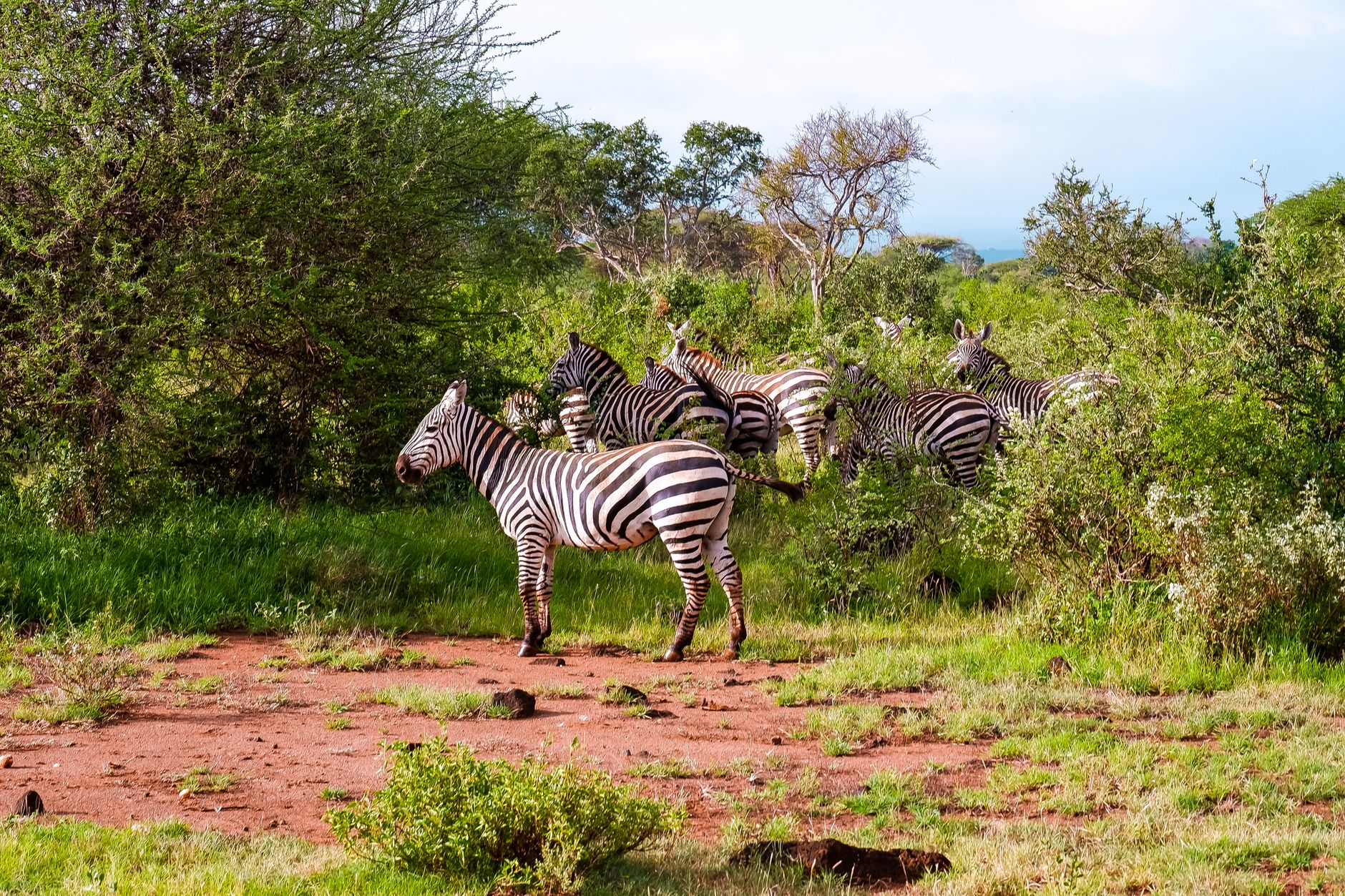
Most first safaris start with the Masai Mara. The grasslands hold lions, leopards, cheetahs, elephants, and large herds of wildebeest and zebra. It is one of Kenya’s most visited reserves, so expect company in peak season. To reduce crowds, stay in a community conservancy next to the reserve. Camps on Ol Kinyei, Naboisho, or Olare Motorogi pay fees to local Maasai landowners. In return, you get the same wildlife with far fewer vehicles. Ask your operator to compare conservancy rates with reserve rates. For more detail, see our Masai Mara safari guide.
Amboseli National Park gives you elephants against the backdrop of Kilimanjaro. The park is flat, open, and easy to scan. For a slower first day, our guide to an easy Amboseli safari might help. Lake Nakuru is compact, which suits a short stay. If you want a different landscape, consider Samburu National Reserve for species you will not see in the Mara.
What is a practical seven-day Kenya safari itinerary?
A balanced seven-day route is Nairobi, two nights in Amboseli, two nights at Lake Nakuru or in the Mara region, and three nights in the Masai Mara. Flying between distant parks saves time. Driving suits travelers who want to see more landscapes and villages along the way. Three or four nights in one area usually beats constant hotel changes.
Day one usually starts in Nairobi. From there you can drive or fly to Amboseli. Driving takes a few hours, while a short internal flight is faster but costs more. After two nights, continue to Lake Nakuru or the Mara region. Three nights in or beside the Masai Mara give you time for morning and afternoon game drives, plus a break.
That pace beats a trip that changes camps every night. If you care about the wildebeest migration, choose your dates carefully and build in flexibility. River crossings are not a daily event. You may wait, or you may miss them.
What travel documents and flights do German travelers need?
German passport holders need an approved Kenyan Electronic Travel Authorization before departure rather than relying on visa on arrival. Allow time for the online application and carry a passport valid for at least six months, return or onward travel details, and accommodation evidence. Frankfurt to Nairobi is the main direct-flight option from Germany.
Kenya’s eTA replaced the old visa-on-arrival system for many visitors. The Kenya eTA for German citizens is not optional. Complete the application on the official Kenya eTA portal before you fly. Fees are set by the government and can change, so check current official requirements.
Keep a copy on your phone and a printed copy. Your passport should be valid six months after your planned departure date. You may also need proof of return travel and a place to stay.
For flights, look for direct options from Frankfurt to Nairobi. You can also connect through European hubs such as Amsterdam, Paris, or Istanbul. Book international flights only after your eTA is approved if your airline requires it.
When is the best time for a Kenya safari?
July to October is popular for dry weather and the possibility of wildebeest crossings, but it is also busier and more expensive. January to March often offers excellent predator viewing and clearer conditions with fewer visitors. April and May bring lower prices and lush scenery, although heavy rain can make some roads difficult.
In the dry months, animals gather around rivers and waterholes. That is why so many travelers choose August and September. But prices rise and the Mara can feel busy. January to March is a strong alternative. The grass is shorter, predators are active, and crowds are thinner.
April and May are the long rains. Safari camps lower their rates and the landscape turns green. Some roads in the Mara become sticky mud. If you travel in these months, pack patience and choose a camp with a reliable vehicle. For month-by-month details, see when to visit the Masai Mara.
What is included in a Kenya safari package?
Most packages include accommodation, meals, park or conservancy fees, a safari vehicle, fuel, a professional guide, airport transfers, and scheduled game drives. International flights, eTA fees, drinks, tips, travel insurance, optional activities, and some internal flights are commonly excluded, so request an itemized quote before comparing prices.
That list is a good starting point. Then ask what is extra. International flights are usually extra. So are eTA fees, alcoholic drinks, tips, travel insurance, and optional night drives or village visits. Internal flights are sometimes included in luxury packages and sometimes added as a supplement.
Get every line in writing. A low headline price may hide a long list of extras. Also check whether conservancy fees are included or billed at check-out. In the Mara conservancies, these fees directly support local landowners, so ask how the money is used.
What Do First-Time Travelers Ask About a Kenya Safari?
How much does a Kenya safari from Germany cost?
A seven-day mid-range safari generally costs about €2,000 to €4,000 per person, depending on accommodation, season, parks, transport, and guide arrangements. International flights and optional activities may be extra.
Can I book a German-speaking safari guide in Kenya?
Yes, private operators can usually arrange one, but availability is limited. Confirm the guide and any language fee in writing before booking. An English-speaking wildlife guide with a translator may sometimes provide better value.
Do German citizens need a visa for Kenya?
German citizens must obtain Kenya’s Electronic Travel Authorization before traveling for tourism. The application is completed online, and travelers should check the current official requirements before departure because fees and documentation rules can change.
What is the best month for a Kenya safari?
January to March is often a strong choice for clear weather, active predators, and fewer crowds. July to October is popular for dry-season viewing and possible migration crossings, but prices and visitor numbers are usually higher.
How many days do you need for a Kenya safari?
Plan at least seven nights for a well-paced first safari covering two or three regions. Shorter trips work best when focused on one destination, such as the Masai Mara or Amboseli, rather than attempting several long road transfers.
Where Can You Compare Safari Operators?
Compare at least three operators and ask each for an itemized quote before you pay. Browse packages from FindMySafari, Valley Safaris, or Trunktrails Safaris. Confirm guide language, conservancy fees, and what happens if flights change. A direct answer from a real operator is worth more than a glossy brochure.
More safari planning resources
- Kenya safari packages from SafariPure
- Kenya wildlife tours from Trunktrails Safaris
- Best time to visit Kenya month-by-month map from Valley Safaris
- Compare Kenya safari packages on FindMySafari