Planning a Kenya safari for French speakers starts with one practical question: will your driver-guide actually speak French? The answer shapes your comfort, your sightings, and your budget. Many operators say they offer French-speaking guides, but fluent guides are limited, especially in July to October. This guide explains how to confirm a guide’s language, choose parks that fit your interests, compare costs, and build a realistic itinerary. It separates marketing from the facts you need before you pay a deposit.
How Do You Book a French-Speaking Safari Guide in Kenya?
Request a fluent French-speaking driver-guide before you pay a deposit, and require the guide’s name, language arrangement, and any supplement in the written quote. French is not guaranteed on shared or budget departures. Private operators and specialist agencies are more likely to provide it, especially during July to October peak demand.
Do not assume a guide listed on a website speaks French. Most Kenyan driver-guides work in English or Swahili. French-speaking guides exist, but they are fewer. A shared safari can switch to English if another traveler requests it. A private vehicle with a named guide avoids that risk.
Ask three questions before booking:
- Which guide will I have?
- Does that guide speak fluent French?
- Is the French arrangement written in the invoice?
If the operator cannot name the guide, keep looking. The easiest way to find a French-speaking safari guide in Kenya is to book through a specialist agency, not a general budget portal. A written quote should list the guide’s name, the vehicle, and the guiding language. This protects you if another guide shows up on arrival.
Which Kenya Safari Parks Suit French-Speaking Travelers Best?
The Masai Mara is the strongest first choice for lions, cheetahs, elephants, and seasonal wildebeest movement. Amboseli adds elephant sightings and Kilimanjaro views. Add Ol Pejeta for rhino conservation, Samburu for northern species such as gerenuk and Grevy’s zebra, or a Mara conservancy such as Naboisho for quieter drives.
For a first safari, do not try to see every park. The Masai Mara gives the most consistent predator sightings, especially in the early morning and late afternoon. For a stress-free Masai Mara safari, plan at least two nights inside the reserve or a neighboring conservancy. Amboseli works well for large elephant herds, with Mount Kilimanjaro as a backdrop. It is also an easy drive from Nairobi, which helps on a short trip.
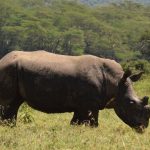
If you are interested in conservation, Ol Pejeta Conservancy is home to important rhino programs and the last northern white rhinos. Samburu adds dry-country species like gerenuk, Grevy’s zebra, and reticulated giraffe. For a detailed look at camps, access routes, and drive times, see our Masai Mara guide. You can also decide between the two most popular parks with our Masai Mara vs Amboseli comparison.
Conservancies such as Naboisho, Mara North, and Olare Motorogi border the reserve. They limit vehicle numbers and often provide a more private experience. You may pay a conservancy fee on top of the park fee. Animal movement is seasonal, so a conservancy is not a guarantee of abundance, but the quiet drives are a clear difference. These lands are managed by community landowners, which means your fees support local people. For advice on viewing wildlife responsibly, see our guide to ethical wildlife encounters in Kenya.
How Much Does a Kenya Safari for French Speakers Cost?
Budget roughly USD 180-300 per person per day for a mid-range safari with accommodation, meals, park fees, transport, and guiding. Private tailor-made trips commonly reach USD 230-480 per person per day. A seven-day mid-range itinerary may total about USD 2,900-4,800, excluding international flights and some extras.
The headline price rarely tells the whole story. A quote should separate the package price from the park fees. In Kenya, national park and reserve fees are charged per person per day, and they are often billed separately from your camp or lodge. Conservancy fees can add a further amount. When you compare packages, ask what is included and what is not. A very low daily rate may mean fewer game drives, a basic tent, or a group vehicle.
| Safari type | Indicative price per person per day | What is usually included |
|---|---|---|
| Mid-range private safari | USD 180-300 | accommodation, meals, park fees, 4×4 transport, driver-guide |
| Premium private tailor-made safari | USD 230-480 | higher-end camps, private vehicle, flexible drive times, same core inclusions |
| Seven-day mid-range package | USD 2,900-4,800 total | full route, transfers, game drives, most meals, park fees |
These are planning ranges, not quotes. Prices move with season, camp standard, and vehicle occupancy. French-language guiding may carry a supplement, especially in peak season. Ask for it as a separate line so you can compare operators fairly. When planning a Kenya safari for French speakers, ask for a written quote with all items separate. For a deeper breakdown of fees and budgets, see our Kenya safari cost guide.
What Is the Best Time for a Kenya Safari?
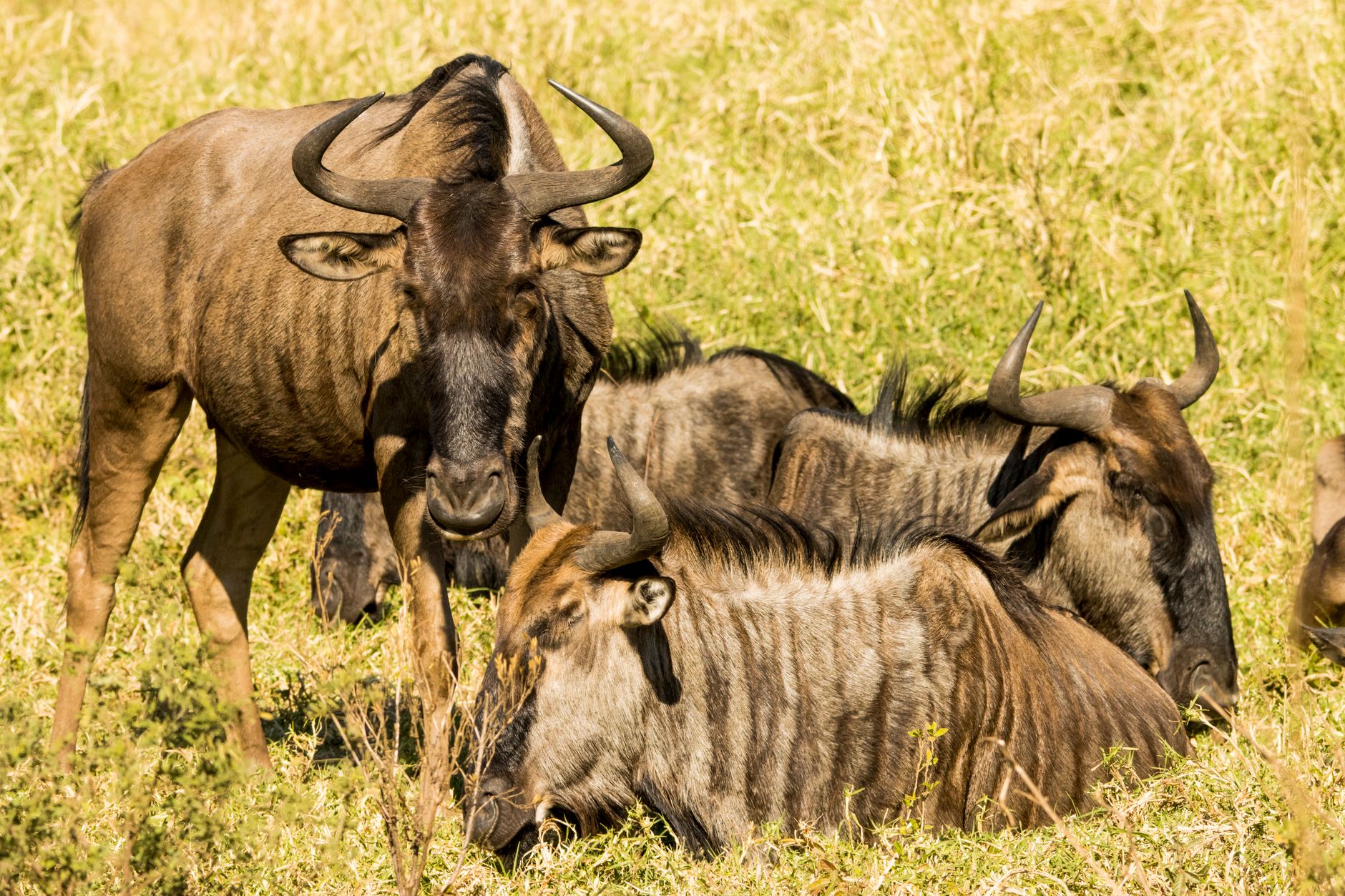
Choose July to October for the best chance of witnessing wildebeest movement in the Masai Mara, and accept peak prices and heavier vehicle traffic. January to February offers dry conditions, good game viewing, fewer crowds, and calving activity. Green seasons can be cheaper and photogenic, but rain may affect roads, visibility, and lodge availability.
The best time for a Kenya safari depends on what you want to see. July to October is the migration period in the Mara, but it is also the busiest. River crossings are not a daily event, and they depend on water levels and herd movement. Wildlife behavior changes with the grass. Lions rest during the heat of the day, so early morning drives matter more than long midday hours.
January and February are often underrated. The grass is shorter, cats are active around calving, and lodges are easier to book. For a quiet trip, the low season can work, but you must plan for rain. The table below is indicative, not a guarantee.
| Priority | Best months | Trade-off |
|---|---|---|
| Wildebeest migration in the Masai Mara | July to October | peak prices and traffic |
| Dry conditions and calving | January to February | fewer crowds, strong sightings |
| Budget and green scenery | April to May and November | rain may affect roads and drive times |
For a more detailed month-by-month look, see our best time to visit Masai Mara guide. If you travel in the green season, understand how Kenya safari low-season wildlife changes your expectations. Some animals gather near water, while others are harder to spot in long grass.
What Does a Practical 7-Day Kenya Safari Itinerary Look Like?
A balanced seven-day route is Nairobi, Samburu, Ol Pejeta, Lake Nakuru, and the Masai Mara, although it involves substantial driving. For a less rushed first safari, combine Amboseli with the Masai Mara and use a domestic flight where practical. Two or three nights in the Mara usually produce better sightings than constant park changes.
Seven days is the minimum a first-time visitor should plan if you want more than one park. The route through Samburu, Ol Pejeta, Lake Nakuru, and the Mara covers northern species, rhinos, flamingos, and big predators, but it means long drives. Many travelers prefer a simpler route. Start in Amboseli, fly to the Mara, and finish with two nights in a nearby conservancy. That gives you two strong ecosystems and much less time in a vehicle.
A realistic Kenya safari itinerary should include at least two nights in the Mara. The first drive is often spent adjusting, and the second morning is when many travelers see the most predators. If you are a photographer, some Mara camps offer hides that let you work close to the ground. Read our Masai Mara photography hides article for details.
Before you fly, apply for the Kenya eTA online, book your first night in Nairobi or near the airport, and pack for warm days and cool mornings. The eTA process is straightforward: fill in the online form, pay the required fee, and carry the approval on your phone or as a printout. Check health advice at a travel clinic at least six weeks before departure.
What Are the Most Common Questions About a Kenya Safari for French Speakers?
How Much Does a Safari in Kenya with a French-Speaking Guide Cost?
A mid-range safari generally costs about USD 180-300 per person per day, while private tailor-made trips often cost USD 230-480 per person per day. French-language guiding may add a premium, especially during peak season, so request it as a separate line in the quote.
Can I Book a French-Speaking Guide for a Kenya Safari?
Yes, but French fluency should be confirmed before booking rather than assumed from an operator’s website. Ask whether the guide is fluent, whether an interpreter will be used, and whether the named arrangement applies to every game drive.
What Is the Best Time to Go on Safari in Kenya?
July to October is best for travelers prioritizing the Masai Mara migration, although it is also the most expensive and crowded period. January and February provide dry weather, strong wildlife viewing, and generally lighter crowds, making them a better-value choice for many first-time visitors.
Which Parks Are Best for a First Kenya Safari?
The Masai Mara is the best all-round first choice because wildlife is abundant and predator sightings are strong. Amboseli is ideal for elephants and mountain scenery, while Ol Pejeta adds a meaningful rhino-conservation experience. Combining two parks usually gives a better pace than trying to cover five.
How Many Days Do You Need for a Kenya Safari?
Seven days is enough for two or three major destinations, while 10 days allows a more relaxed route with additional time in each park. Fourteen days can combine northern Kenya, the Masai Mara, Amboseli, and a coast extension without making every travel day exhausting.
Where Can You Compare Kenya Safari Operators?
Once you know your dates, budget, and preferred parks, it is time to compare operators. The right operator will confirm your French-speaking guide in writing and give you a line-by-line quote. Start with FindMySafari, Valley Safaris, or Trunktrails Safaris to browse packages that fit your plan. Compare the included park fees, conservancy fees, and guiding language. A few extra days of research will save you from surprises on arrival.
Where Can You Find More Safari Planning Resources?
You can find more safari planning resources on partner sites across the TouringInsights travel network, including packages, wildlife tours, and interactive maps.
- Kenya safari packages from SafariPure
- Kenya wildlife tours from Trunktrails Safaris
- Interactive Maasai Mara map from Valley Safaris
- Compare Kenya safari packages on FindMySafari