A Kenya safari is a longer trip from Norway than from most of Western Europe. It is far more workable than it first looks. Oslo to Nairobi covers roughly 6,900 km, and there is no nonstop option. Every route runs through a European or Gulf hub. Total travel time typically lands between 11 and 15 hours door to door, depending on the connection.
This guide covers what actually changes the planning for a Norwegian traveler. Visa steps, realistic flight routing, and food and culture questions come up most. It also covers what to pack for Kenya’s dry-season dust and surprisingly cold early mornings. Touring Insights put together the real numbers here so you can plan against facts rather than guesswork.
Do Norwegian Citizens Need a Visa for Kenya?
Yes. Kenya requires an Electronic Travel Authorization (eTA) for nearly all foreign visitors, including Norwegian passport holders. The country phased out visa-on-arrival and the standard e-visa system in 2024. You apply online through the official Kenya eTA portal before departure, not at the airport.
The eTA costs around USD 30 per applicant and is usually processed within a few business days. Even so, apply at least a week before you fly to leave room for delays. Save a copy on your phone and print one as backup. Immigration officers at Jomo Kenyatta International Airport (JKIA) in Nairobi may ask to see it alongside your passport.
Flights From Norway to Kenya: Routes and Timing
There is no direct flight from Norway to Kenya. Norwegian travelers connect through a major European or Middle Eastern hub. Amsterdam (KLM), Frankfurt (Lufthansa), Istanbul (Turkish Airlines), and Doha (Qatar Airways) are the four most common connection points from Oslo. Each adds roughly 2 to 4 hours of layover on top of the long-haul leg to Nairobi.
Book domestic connections carefully once you land. Most safari circuits fly out of Nairobi’s Wilson Airport, a separate facility from JKIA. Allow at least a 3-hour buffer between international arrival and any onward flight to a safari airstrip. Camps schedule their airstrip transfers around fixed flight windows, and missing one can mean a long wait for the next.
| Route | Approx. Distance | Typical Total Travel Time | Common Carriers |
|---|---|---|---|
| Oslo to Nairobi via Amsterdam | 7,100 km | 12-14 hours | KLM |
| Oslo to Nairobi via Doha | 7,400 km | 13-15 hours | Qatar Airways |
| Oslo to Nairobi via Frankfurt | 6,900 km | 11-13 hours | Lufthansa |
| Nairobi (Wilson Airport) to Masai Mara | 250 km | 45 minutes by air | Safarilink, AirKenya |
| Nairobi to Amboseli | 240 km | 35-40 minutes by air | Safarilink, AirKenya |
Best Time for a Kenya Safari From a Norwegian Winter or Summer
Norway’s winter, roughly November through February, is dark and cold. It lines up well with Kenya’s short dry season across the Masai Mara and Amboseli. Days are warm and sunny, skies are clear for game viewing. The contrast with a Norwegian winter is stark in the best way. Grass is shorter in this window, which pulls animals closer to waterholes and makes them easier to spot.
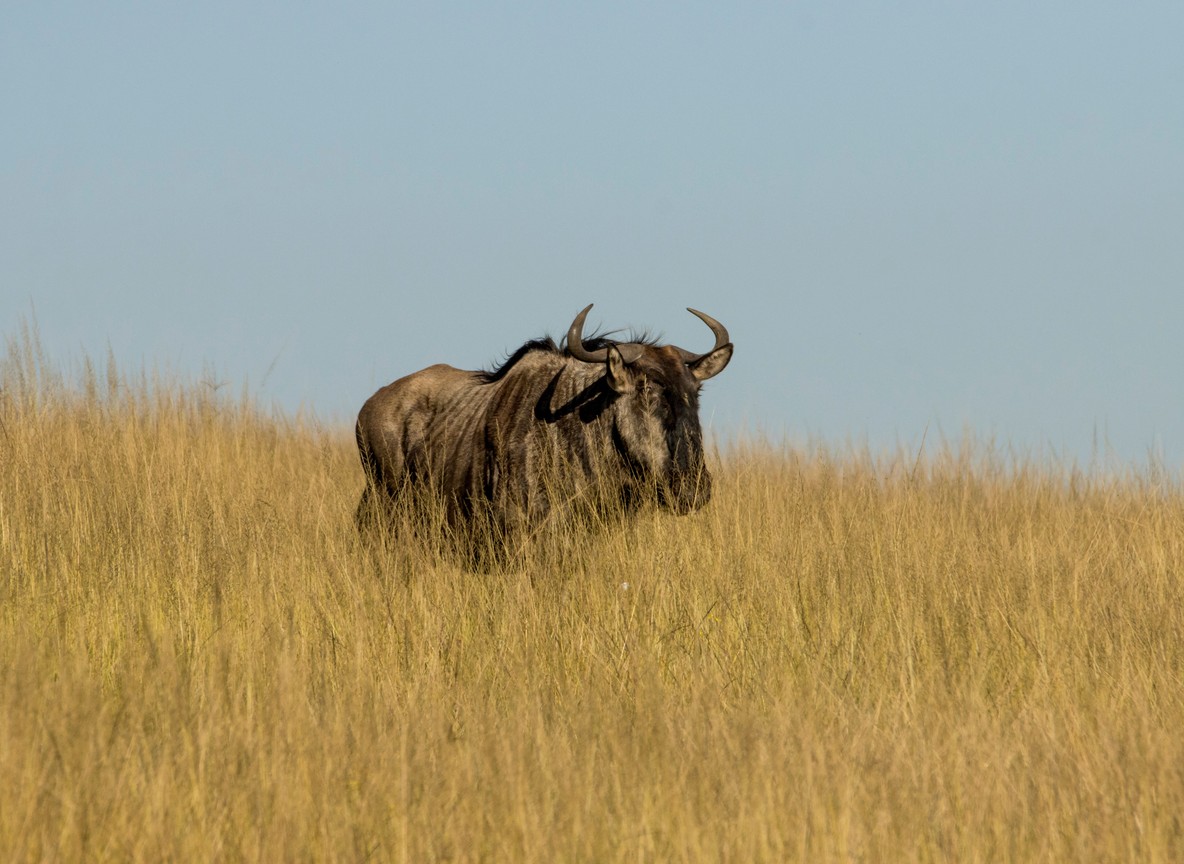
July through September overlaps with the Norwegian school summer holiday (sommerferie). It also matches Kenya’s long dry season and the wildebeest migration‘s river crossings in the Masai Mara. This is peak season, so camps fill months in advance and rates climb. April and May bring Kenya’s long rains. Prices drop noticeably, though some roads get harder to travel. A handful of conservancy camps also close for a few weeks.
What a Kenya Safari Costs in NOK
Safari pricing across the industry is quoted in US dollars. Norwegian travelers should budget with a NOK/USD buffer, since the krone can move against the dollar over a booking cycle. A mid-range safari with quality tented camps typically runs USD 350-550 per person per night. That rate is all-inclusive of meals, game drives, and park fees. Budget camps start around USD 150-250 per night, and luxury lodges can run USD 700 or more.
Park entry fees sit on top of camp rates and catch many first-time planners off guard. The Masai Mara National Reserve charges non-resident adults USD 100 per day from January through June. That rate rises to USD 200 per day from July through December. Each ticket is valid for a single 12-hour day, not 24 hours. Amboseli National Park charges USD 90 per day for non-residents. Tsavo East and Tsavo West each charge USD 80 per day.
Food on Safari: What Norwegian Travelers Actually Eat
Most mid-range and luxury camps serve a Western-style buffet alongside Kenyan dishes. Norwegian travelers rarely struggle to find something familiar. Breakfast usually includes eggs, bread, cold cuts, and fresh fruit, closer to a Norwegian breakfast spread than most expect. Dinner tends to mix grilled meats, stews, and a vegetable course, with a Kenyan specialty on offer most nights.
Ugali, a stiff maize porridge, and nyama choma, grilled meat, are worth trying at least once during a stay. Bottled and filtered water is standard at every camp. Tap water is not a concern once you are out on safari. It is still worth sticking to bottled water in budget guesthouses in Nairobi. This applies before or after the safari portion of the trip.
Culture and Etiquette Worth Knowing Before You Land
Kenyans greet warmly and expect a genuine hello before getting to business. That can feel slower than the brief, efficient exchanges common in Norway. Take the extra few seconds to ask how someone is doing before a request or a question. This applies even with hotel staff or a shop cashier. Skipping the greeting can come across as curt.
Tipping is expected in Kenya’s safari industry, unlike Norway, where service charges are typically built into the price. A common guideline is USD 15-20 per guest per day for a safari guide. Camp staff receive a smaller amount, often collected through a shared tip box at the lodge. Carry small US dollar bills, since exact change is not always available at remote camps.
Photographing Maasai people or their homesteads without asking first is considered intrusive. Many camps near Maasai communities arrange a village visit for a small fee that goes directly to the community. This is the respectful way to see daily life up close, rather than shooting from a vehicle window.
English is Kenya’s official language alongside Swahili, and virtually every safari guide and camp staff member speaks it fluently. Norway’s high English proficiency means language is rarely a barrier on this trip. There is no need to plan around finding a guide who speaks Norwegian.
What to Pack for a Kenya Safari From Norway
Kenya’s equatorial location means warm days and genuinely cold early mornings on game drives. That combination surprises even travelers used to a cold climate. Open-sided safari vehicles at dawn feel colder than the daytime temperature suggests. Layering matters more than any single heavy item.
| Item | Why It Matters |
|---|---|
| Fleece or light down jacket | Dawn game drives in open vehicles run 12-18°C even in the dry season |
| Neutral-colored clothing (khaki, olive, tan) | Bright colors and pure white attract insects and stand out to wildlife |
| Broken-in walking shoes | Camps and airstrips involve walking on dust and gravel, not paved paths |
| Malaria prophylaxis | Most safari regions, including the Masai Mara, carry malaria risk |
| Universal power adapter | Kenya uses UK-style Type G sockets, not Norway’s Type C/F |
| Binoculars | Many camps have a pair to share, but your own means no waiting |
Kenya runs on UK-style three-pin plugs, different from Norway’s two-round-pin sockets. A universal adapter belongs on the packing list, not an assumption that a camp will have one spare.
Explorer Notes
A few details that make a real difference once you land. First, carry a printed copy of your eTA. If your routing connects through a country with a yellow fever requirement, bring your vaccination certificate too. Not every camp reception has reliable internet to pull up a digital copy on request.
Second, Safaricom sells tourist SIM cards at JKIA with data bundles that work across most conservancies. Pick one up before you leave Nairobi, since signal thins out fast in remote camps. Third, build in one buffer night in Nairobi before flying home. Domestic safari flights occasionally shift by a few hours. A same-day international connection on Norway’s long routing leaves little margin if a flight runs late. Finally, pack a headlamp. Many tented camps run on generator power that cuts off late in the evening. Norwegian travelers used to dark winters will find it a familiar, easy habit to bring along.
What to Read Next
- Need the exact visa steps before you book flights? Read our Kenya eTA and eVisa guide for safari travelers.
- Still deciding when to go? See our best time to visit Kenya guide.
- Want a packing list you can check off item by item? Check our Kenya safari packing list.
FAQ
Do Norwegian citizens need a visa for a Kenya safari? Yes. Kenya requires an Electronic Travel Authorization (eTA) for nearly all visitors, including Norwegian passport holders, applied for online before travel.
Is there a direct flight from Norway to Kenya? No. There is no nonstop route from Oslo to Nairobi. Travelers connect through Amsterdam, Frankfurt, Istanbul, or Doha, with total travel time usually running 11 to 15 hours.
What is the best month for a Norwegian traveler to visit Kenya on safari? November through February suits travelers escaping the darkest part of the Norwegian winter, with warm, dry weather in Kenya. July through September, during the Norwegian summer holiday, covers the wildebeest migration’s river crossings, though at peak prices.
How much should I budget in NOK for a Kenya safari? Most camps quote in US dollars, so budget with an exchange-rate buffer. Mid-range camps run roughly USD 350-550 per person per night all-inclusive, plus separate park fees of USD 80-100 per day.
Will language be a problem on safari as a Norwegian traveler? Rarely. English is Kenya’s official language alongside Swahili, and safari guides and camp staff speak it fluently. That pairs easily with Norway’s generally high English proficiency.
Planning a Kenya safari from Norway comes down to matching your travel window to the right season. Budget honestly for the long routing, too. Confirm your eTA and flights first, then build the park fees into your total from day one. Visit our Tour Packages page to compare itineraries by season and budget. Or see a named partner operator’s route options if you’d rather have a specialist build the trip.