Planning a Kenya safari for Dutch speakers starts with a practical question. Do you really need a guide who speaks Dutch? For most travelers, the answer is no. Professional Kenyan guides work in English every day. English is the standard language for wildlife explanation, lodge communication, and park logistics. A Dutch-speaking guide is a comfort, not a requirement. This guide explains when that comfort matters, what it costs, and how to plan a seven-day trip that fits your budget and season.
Do You Need a Dutch-Speaking Safari Guide in Kenya?
No, a Dutch-speaking guide is not essential. Professional Kenyan guides generally operate confidently in English. English is the language used for wildlife interpretation and safari logistics. Request Dutch-language guiding if it will improve comfort, especially for families or complex trips. Expect fewer available guides, earlier booking, and a typical daily surcharge.
Most guide training in Kenya is in English. Guides pass written and oral exams in English, and they use it for safety briefings, park procedures, and guest communication. If your group is at ease in English, there is no practical need to pay extra for Dutch. Older family members or children who are less confident in English may feel better with a guide who can explain in Dutch.
A private Dutch-speaking guide can also help with cultural details. They may translate conversations with Maasai community members, camp staff, or local traders. That adds depth, but it is not essential for seeing wildlife. The same guidance applies to other language groups. If you want step-by-step advice for another language group, read our guide for German-speaking Kenya safari travelers, which covers similar guide-language tradeoffs.
How Much Does a Kenya Safari for Dutch Speakers Cost?
A seven-day mid-range Kenya safari commonly costs about €2,500 to €3,500 per person. This range excludes international flights and some entry fees. A Dutch-speaking guide may add roughly €20 to €40 per person per day, or you may pay a private vehicle surcharge instead. Peak-season Mara stays, conservancy fees, internal flights, and private vehicles can raise the total substantially.
These ranges are indicative, not fixed. Your final price depends on season, camp standard, group size, and the type of vehicle you choose. A private vehicle is a big cost driver. Shared vehicles reduce the price but make it harder to guarantee Dutch commentary. If you must have a dedicated guide, budget for a private safari.
| Item | Indicative range | Notes |
|---|---|---|
| Seven-day mid-range safari package | €2,500 to €3,500 per person | Excludes international flights and some entry fees |
| Dutch-speaking guide surcharge | €20 to €40 per person per day | Often lower for private safaris with larger groups |
| Internal flight, Nairobi to Masai Mara | US$100 to US$250 one way | Price changes by season and booking date |
| Kenya eTA fee | Around US$30 to US$40 | Fee rules can change; always confirm on the official eTA site |
| Tipping for driver-guide | US$10 to US$20 per person per day | Separate from camp staff tips |
The biggest cost swing is the Masai Mara. Camps inside the national reserve and camps in conservancies like Mara North and Naboisho can differ by hundreds of dollars per night. Conservancy fees are often higher because they support community landowners. For a full breakdown of where your money goes, read our Kenya safari cost guide.
When Is the Best Time for a Kenya Safari?
Late June to October offers the easiest general game viewing. Grass is shorter, and there is a strong chance of seeing wildebeest movement in the Masai Mara. July and August are busier and more expensive. January and February provide dry conditions with fewer crowds. Rainy green seasons bring lower prices, lush scenery, and excellent birding.
Dutch travelers often plan around school holidays. That puts July and August at the top of the list. It also means more vehicles at popular sightings and higher prices. If you can travel in June or September, you still get dry-season grass and wildlife concentrations, but with a little more space. October can be good, though the short rains may begin near the end of the month.
If you want lower prices and greener views, look at November, January, or February. The long rains from April to May close some camps and make roads muddy in places. March can be hot and humid. For a deeper look at seasonal trade-offs, see our guide to the best time to visit the Masai Mara.
Which Kenya Safari Destinations Are Best for Dutch-Speaking Travelers?
A first safari works well with three parks. The Masai Mara offers big-cat viewing and migration-season action. Amboseli delivers elephants and Kilimanjaro views. Samburu brings arid landscapes and northern species. Mara North and Naboisho conservancies offer quieter drives and conservation-based tourism, while Tsavo suits travelers seeking vast scenery and fewer vehicles.
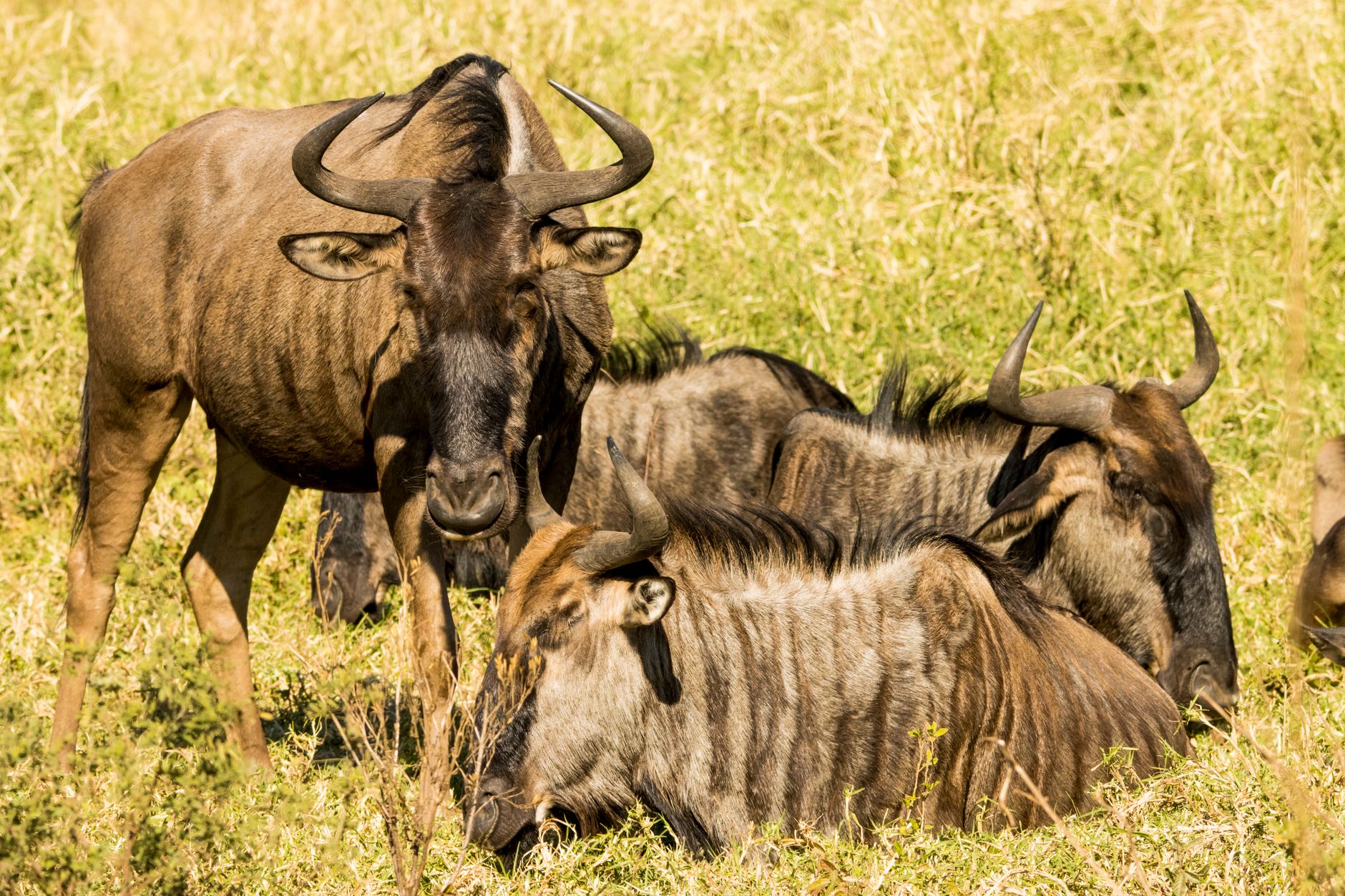
The Masai Mara is the classic choice. Rolling grasslands, acacia trees, and a dense predator population make it easy to see lions, leopards, cheetahs, and hyenas. During the migration, from roughly July to October, wildebeest and zebra move through in large herds.
Amboseli National Park is more open and dry. It is famous for large elephant families and views of Kilimanjaro in the early morning. The park is compact, which works well for a short itinerary.
Samburu sits in the north with a different set of species. You can see reticulated giraffe, Grevy’s zebra, Somali ostrich, and gerenuk here, animals that are rare or absent in the Mara. The landscape is rocky and dry, with the Ewaso Nyiro River as the center of life. For a side-by-side look, read our Samburu versus Tsavo safari comparison.
If you want quieter game drives, consider staying on a conservancy. Mara North and Naboisho sit within the Greater Mara ecosystem, and they are managed in partnership with Maasai landowners. Vehicles are limited in these areas, so sightings are often more peaceful. Your stay also supports local landowners. But conservancy fees are higher, and some activities, like night drives, are not allowed everywhere. For the classic comparison of big mammal viewing, see our Masai Mara versus Samburu wildlife comparison. Our Masai Mara safari guide also covers camps, drive times, and what to expect each month.
What eTA, Flights and Practical Arrangements Do Dutch Travelers Need?
Dutch travelers should obtain Kenya’s Electronic Travel Authorization online before departure. Confirm current requirements close to travel. Most international itineraries arrive through Nairobi. Domestic flights can save time between Nairobi, the Mara, Amboseli, and the coast. Confirm guide language, vehicle type, park or conservancy fees, luggage limits, and transfer responsibilities in writing.
Kenya uses an eTA system rather than a traditional visa. Dutch citizens should apply through the official Kenya eTA portal, not through an unofficial broker. You generally need a valid passport, a return ticket, and details of your accommodation. The fee and processing time can change, so check the official site a few weeks before you fly.
From Nairobi, you have two main ways to reach the safari regions. A domestic flight gets you to the Masai Mara in about an hour and to Amboseli in under an hour. That saves time but adds cost and strict luggage limits. A road transfer from Nairobi to the Mara usually takes five to six hours, depending on road conditions and the airstrip you use. If you want to see rural Kenya and save money, road travel works well.
Before departure, think about luggage. Most light aircraft allow one soft bag per person, and the weight limit is strict, often communicated at booking. Hard-sided suitcases are often refused. Digital camera gear needs to fit in a small daybag. Our Kenya safari packing list explains what to bring and what to leave at home.
What Is the Best Seven-Day Kenya Safari Itinerary?
A balanced seven-day itinerary can work well. Spend one night in Nairobi, then three nights in the Masai Mara or a nearby conservancy. Add two nights in Amboseli, and a final night near Nairobi or an onward connection. Flying between distant parks preserves game-drive time. Road transfers work better when travelers want scenery, flexibility, or a lower budget.
Here is a practical outline.
Day 1: arrive in Nairobi. Stay near the airport or in a city hotel. Rest after the flight. Day 2: fly to the Masai Mara and settle into camp. Take an afternoon game drive. Days 3 and 4: full days in the Mara or an adjoining conservancy. Morning and late afternoon drives are best. Day 5: fly or drive to Amboseli. A direct flight is not always available, so expect a connection through Nairobi or another airstrip. Day 6: full day in Amboseli. Early morning is best for Kilimanjaro views and elephants. Day 7: fly back to Nairobi and catch an evening international connection, or stay overnight and leave the next day.
This plan works because it gives you two different landscapes without long transfers. If you want a slower pace, add one more night in either the Mara or Amboseli. Seven days is a comfortable minimum. Nine days lets you include Samburu or Lake Nakuru as well. For a guide to elephant country, read our Amboseli safari guide for camp and activity details.
What Do Dutch Travelers Ask About Kenya Safaris?
Do You Need a Dutch-Speaking Safari Guide in Kenya?
No. English is sufficient for most Kenya safaris because guides use it professionally for wildlife interpretation, safety, and logistics. A Dutch-speaking guide can make communication more comfortable, but availability is limited and usually costs extra.
How Much Does a Kenya Safari for Dutch Speakers Cost?
A seven-day mid-range safari is commonly around €2,500 to €3,500 per person before international flights and some entry costs. Add more for peak-season Masai Mara travel, private vehicles, conservancy stays, internal flights, or a dedicated Dutch-speaking guide.
Do Dutch Citizens Need a Visa for Kenya?
Dutch citizens need an Electronic Travel Authorization, or eTA, before traveling to Kenya rather than a traditional visa. Apply online before departure and verify the current fee, processing time, passport rules, and health requirements before booking.
How Many Days Do You Need for a Kenya Safari?
Seven days is a practical minimum for combining two major safari regions without rushing. Allow seven to nine days for a more relaxed trip with several full game-drive days. This helps if you are combining the Masai Mara with Amboseli or adding a beach stay.
When Is the Best Time to Go on Safari in Kenya?
Late June to October is the most popular period for dry conditions and potential wildebeest viewing in the Masai Mara. January and February are often quieter and still productive for wildlife, while rainy green seasons can offer lower prices and stronger scenery.
Where Can You Compare Safari Operators for a Dutch-Speaking Trip?
Comparing operators is the best way to find the right guide and price. Some operators can provide Dutch-speaking guides; others offer English guides and local support. To compare safari operators and browse packages, start with FindMySafari, Valley Safaris, or Trunktrails Safaris. You can see different itineraries and price ranges side by side before you commit.
Where Can You Find More Safari Planning Resources?
- Kenya safari packages from SafariPure
- Masai Mara Great Migration guide from Trunktrails Safaris
- Interactive Maasai Mara map from Valley Safaris
- Compare Kenya safari packages on FindMySafari