Kenya safari April versus May is a practical question for travelers who want lower rates and green landscapes without losing too many game drives to mud. April is the rainiest month in most safari areas. May starts wet and often turns drier and more usable by the third or fourth week. The right choice depends on your tolerance for rain, your budget, and which parks you plan to visit. This guide compares the two long-rain months honestly, region by region.
Is a Kenya Safari April Versus May Better for You?
April is the strongest pick for photographers, birders, and experienced travelers. Be ready for muddy roads, closed camps, and game drives that pause for heavy rain. Late May is the stronger pick for first-time safari travelers who want green-season value but better odds of passable roads and reopened camps. Think of April as the full immersion in the long rains and late May as the exit from them.
The table below compares the two months across the factors that matter most. Figures are indicative ranges because rainfall and camp rates vary by conservancy and year.
| Factor | April | May |
|---|---|---|
| Typical rainfall in central and southern safari areas | Often 150-200 mm, with heavy afternoon downpours | Often 70-130 mm, easing after mid-month |
| Road access in Masai Mara and Amboseli | Black cotton soil can become impassable; 4×4 essential | Improves after the first two weeks; still muddy patches |
| Camp and lodge closures | Many seasonal camps close by mid-April | Phased reopening from late May onward |
| Safari rates versus high season | Commonly 20-40 percent lower | Similar to April, though late May can tick up |
| Wildlife viewing | Water everywhere disperses grazers; predators harder to spot | Slightly better as water pans dry and animals concentrate |
| Landscape and photography | Lush green, dramatic clouds, clean air | Green but drying, still photogenic |
| Birdlife | Peak for migrant and breeding birds | Still very good, though some migrants depart |
Which Month Has More Rain in Kenya, April or May?
April almost always wins. Long rains usually peak in April across Nairobi, the central highlands, the Masai Mara, Amboseli, and the coast. May receives less total rainfall in many places, and the pattern shifts. Early May can still be very wet. By the third week, rain often comes as shorter afternoon showers rather than day-long systems. The coast is an exception. Mombasa and Diani can stay wet and humid through May, so a beach add-on works better in late May than April. For a pure safari, interior parks improve faster than the coast. If you want a beach option, see the Diani beach guide.
Are Safari Roads Passable During the Long Rains?
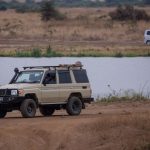
It depends on soil. Black cotton soil in the Masai Mara and parts of Amboseli turns slick and sticky when wet, and even strong 4x4s can slide. Many tracks in Laikipia and Samburu are on sand or volcanic soils that drain faster and remain usable. In April, a conservancy road in the Mara may close after one heavy night of rain. By late May, those same tracks often dry enough for normal game drives. Always plan with an operator who knows current conditions. Independent self-drive is not a good idea in April. For details on each region, see our Masai Mara guide, Amboseli safari guide, and Samburu safari guide.
Do Safari Camps Close in April or May?
Many seasonal tented camps and small conservancy lodges close during April and reopen in late May or early June. This is most common in the Masai Mara and parts of Laikipia, where road access is hardest. Larger permanent lodges and some ranches stay open year-round, often with lower occupancy. May is a transition month. Some camps reopen around May 20 or 25, but others wait until June 1. If your dates fall in early May, expect fewer choices. If late May, you may catch a camp’s first week back, which can mean fresh staff, upgraded details, and still-low rates. For a year-round option in Laikipia, Ol Pejeta Conservancy tends to remain accessible because its internal roads are graded.
Which Month Is Cheaper for a Kenya Safari, April or May?
Both are low season. April often has the deepest discounts because demand is lowest and many camps are shutting. May can match April’s rates, but late May sometimes prices up slightly as demand returns. In practical terms, you might save 20 to 40 percent versus July or August in many camps. That is an indicative range, not a guarantee. The conservation angle matters here. When you travel in April or May, your camp fees, conservancy fees, and guide wages support local jobs during a quiet stretch. Choose operators that keep their staff employed, pay conservancy levies, and communicate road and camp closures honestly. A low price that comes from cutting guide training or vehicle safety is not a good deal. For a detailed breakdown, see Kenya safari cost.
Can You Still See the Big Five in April and May?
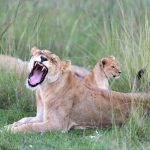
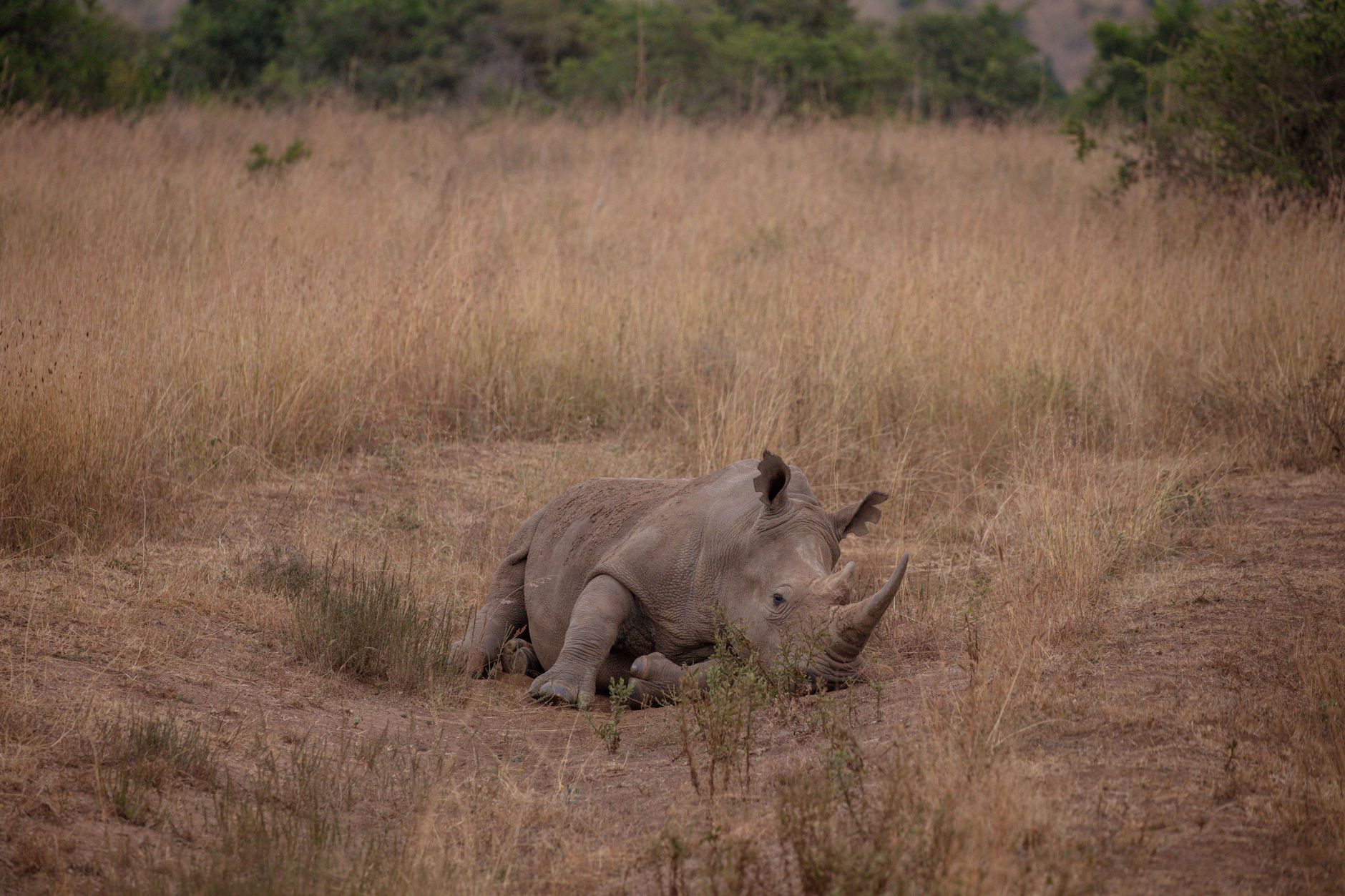
Yes, but the odds shift by region. Buffalo and elephant are usually reliable in Amboseli, Laikipia, and the Mara. Rhino sightings hold up in Laikipia and Ol Pejeta, where much of the habitat is open enough. Lion and leopard become harder in April when thick grass and widespread water let prey scatter widely. Late May improves as water sources shrink and cats return to known river lines and waterholes. Samburu is a good April option for elephant, lion, and leopard even if it lacks rhino. Check our Big Five guide for realistic expectations by park. If you are specifically chasing the river crossings, note that the Masai Mara migration typically runs July to October. For timing, see the best time for the Great Migration in Kenya.
What Are the Regional Differences Across the Masai Mara, Laikipia, Amboseli, and Samburu?
Masai Mara and its conservancies: this is the riskiest region in April. Many Mara conservancy camps close by mid-April, and black cotton roads turn to mud. Northern conservancies like Mara Naboisho and Olare Motorogi may pause operations, though a few permanent lodges run year-round. Late May marks the reopening trickle. See our Masai Mara guide for road and conservancy specifics.
Laikipia: the volcanic soils drain quickly, and many ranches keep graded murram roads passable. April and May are viable here, though long grass can hide lions. Ol Pejeta and other private conservancies remain open, often with very few vehicles. Late May is excellent for a quiet, green safari.
Amboseli: the park is open year-round, but access from Emali can be rough in April because of black cotton patches. The swamps hold elephants and buffalo regardless. May brings improving access and clear views of Kilimanjaro after rain cleans the air. For practical details, see the Amboseli safari guide.
Samburu: the semi-arid north receives less rain, so April can actually be a top choice. The Ewaso Nyiro River draws animals, and the thorn scrub stays green without becoming a mud pit. Roads are generally sandy and passable. Samburu works well from April through May. See the Samburu safari guide.
Tsavo: it is large and lower altitude, so April rain can be heavy in places, but the red earth drains moderately once rain stops. Many Tsavo lodges stay open. A Tsavo safari guide can help you choose a circuit.
Is Wildlife Harder to Find When Water Is Everywhere?
When rain fills seasonal pans and small streams, animals no longer need permanent rivers. Grazers spread out. Predators follow prey, so lion sightings drop in thick grass. In April, expect fewer animals around known waterholes. By mid to late May, the temporary pans begin drying, and wildlife returns to reliable watercourses. This concentration effect makes late May steadily better for classic game drives. It is not that animals leave. They just use a wider area.
Are April and May Good Months for Birdwatching?
April is often the best birding month of the year in Kenya. Pale Arctic and European migrants are still present, many in breeding plumage. Resident species are vocal and active. May remains strong, especially in the first half. Samburu, Lake Nakuru, and the Rift Valley lakes are excellent. Rain also means fewer other vehicles, which helps when you want to sit near a bird for ten minutes. For a dedicated waterbird stop, see the Lake Nakuru guide.
What Should I Pack for a Kenya Safari During the Long Rains?
Pack for wet feet and changing light. A waterproof jacket that packs small, quick-dry long pants, and closed shoes or light boots matter more than anything else. Bring gaiters if you plan to walk, dry bags for camera gear, and a rain sleeve for lenses. Mornings can be cool even in April, so a fleece helps. Malaria prophylaxis and insect repellent are still essential. For a full checklist, see our Kenya safari packing list and the Kenya safari packing and health tips guide.
What Is Kenya Like in Late May for Safari?
Late May often feels like the season turning. Roads are drying, camps are reopening, and the bush is still green from April rain. Wildlife begins to shift back toward permanent water. You get many of the green-season advantages without the heaviest rain risk. For first-time visitors, this is the sweet spot of the long rains. If you are considering longer routes, these sample Kenya safari itineraries include combinations that work in late May.
Who Should Choose April or May?
Choose April if you prioritize the lowest prices, near-solitude, peak birding, and dramatic green-season photography. You need to be flexible about road closures, camp choices, and afternoon rain. Choose late May if you want greener value than the dry season but better odds of usable roads, reopened camps, and more concentrated wildlife. Both months reward patient travelers. Neither is a bad choice if your expectations match the conditions.
Where Can You Find More Safari Planning Resources?
- Kenya wildlife tours from Trunktrails Safaris
- Best time to visit Kenya month-by-month map from Valley Safaris
- Big Five safari collection on FindMySafari
Where Can You Compare Kenya Safari Operators for April and May?
Ready to compare safari operators or browse packages for a long-rains trip? FindMySafari, Valley Safaris, and Trunktrails Safaris all list Kenya itineraries with clear season notes. Use them to compare operator responses to April road conditions, May reopening dates, and camp discounts before you commit.