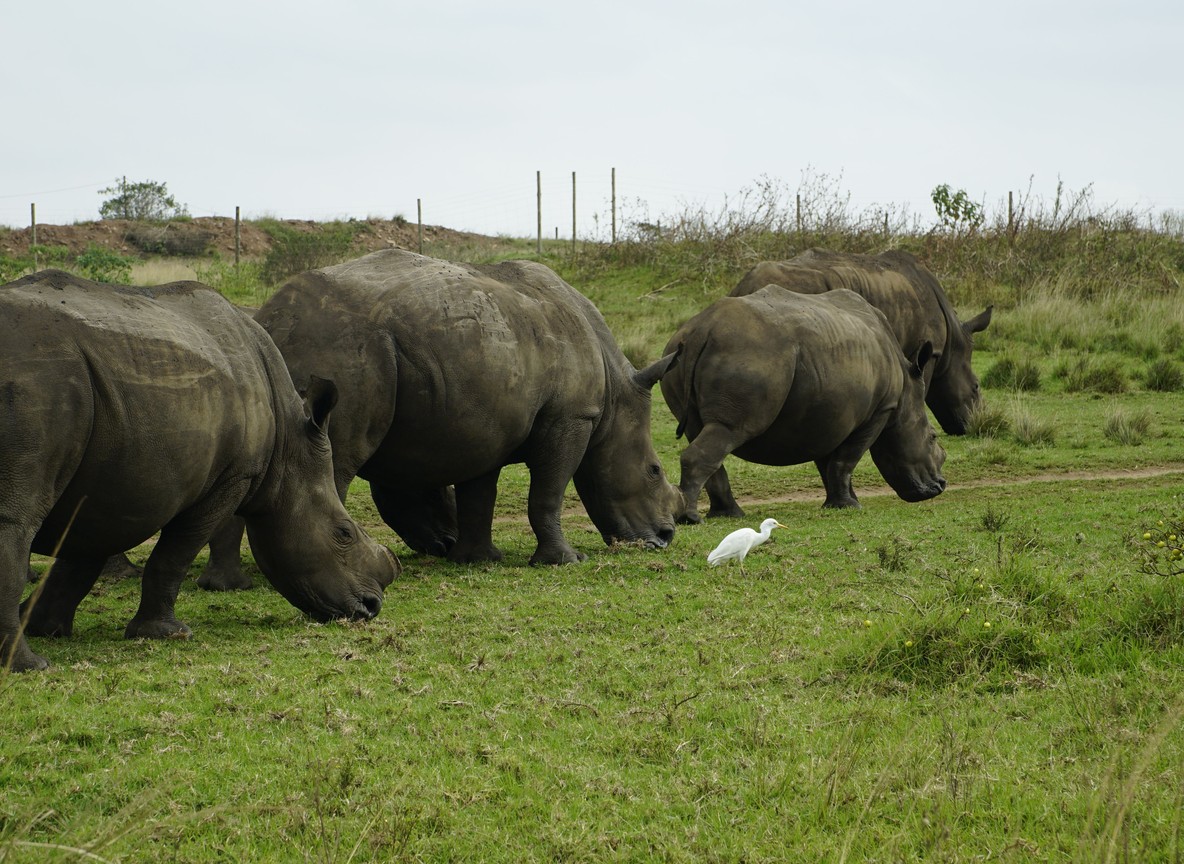
Marriott opened a new tented camp inside Solio Game Reserve for stays from July 1, 2026. It sits between Mount Kenya and the Aberdare Range, in one of the highest-density rhino sanctuaries in Africa. This is not the brand’s first Kenya property. JW Marriott Masai Mara Safari Camp has operated in the Mara for several years. What makes this one different is the address: a private rhino sanctuary that has never hosted a major international hotel brand before. Touring Insights breaks down what the camp actually offers and how it compares to other rhino-focused stays nearby. We also cover what it costs to get there from Nairobi.
What Is Solio Game Reserve, and Why Put a Camp There?
Solio sits on the Nyeri-Laikipia county border, in the highland corridor between Mount Kenya and the Aberdares. The Courtenay Parker and Wilfred Thesiger families set it up as a cattle ranch in the 1970s. They later converted part of it into a rhino sanctuary. Roughly 45,000 acres (about 182 km2) of the property is fenced and managed purely for rhino security today. That decision paid off. Solio has bred and supplied founder rhino populations to reserves across Kenya and Tanzania for decades. Transfers have gone to Lake Nakuru, Nairobi National Park, and Meru. Guides in Laikipia often call it the most reliable place in the country to see both black and white rhino in a single game drive.
Inside the New Camp: Tents, Rates, and What’s Included
The new camp runs 19 guest tents, each with a private plunge pool and views over open grassland where rhino regularly graze. Reporting from The Points Guy put opening rates around USD 1,499 per night. Treat that as an indicative starting figure rather than a fixed price, since safari rates shift with season and room category. Rates at this tier typically bundle two game drives daily, all meals, and camp-based activities, but always confirm inclusions before booking. The camp markets itself on access rather than size. Guests get twice-daily game drives inside a reserve with one of the tightest rhino concentrations on the continent. They also get activities most Kenya camps cannot offer, since those camps sit inside public parks with stricter movement rules.
JW Marriott Solio Camp vs Other Rhino-Focused Stays in the Region
Solio is not the only place in central Kenya built around rhino viewing. Ol Pejeta Conservancy and the long-established Solio Lodge sit within a few hours’ drive and offer a similar draw with different price points and styles.
| Property | Location | Rooms/Tents | Signature draw | Indicative rate (per night) |
|---|---|---|---|---|
| JW Marriott Solio Camp | Solio Game Reserve | 19 tents | New-build luxury, cycling safaris, plunge pools | approx. USD 1,499+ (indicative, opening rate) |
| Solio Lodge | Solio Game Reserve | 6 cottages | Long-established, intimate, same rhino density | approx. USD 700-1,100 (indicative) |
| Ol Pejeta Bush Camp | Ol Pejeta Conservancy | 8 tents | Home of the last northern white rhinos | approx. USD 500-900 (indicative) |
| Sirikoi Camp | Lewa Wildlife Conservancy | 6 units | Family-run, rhino and Mount Kenya views | approx. USD 900-1,300 (indicative) |
Prices above are general market ranges pulled from public rate comparisons and can move with season, currency, and promotions. Always confirm current pricing directly with the property or a licensed booking agent.
Cycling Safaris and Other Activities Unique to Solio
Cycling safaris are the camp’s standout activity, and a reason the property is drawing attention beyond typical luxury-safari coverage. Guests ride marked routes inside the reserve with an armed guide, at a distance from grazing rhino that guides set and monitor throughout. Solio’s flat, open terrain suits cycling far better than the thicker bush found in Mara or Tsavo. Beyond cycling, the camp offers standard game drives, guided walks along reserve boundary trails, and stargazing sessions that take advantage of the highland region’s low light pollution. None of these activities replace a first Big Five safari for a first-time visitor. They suit travelers who have already done a classic Mara or Amboseli trip and want a different, closer-in wildlife experience.
Getting to Solio: Routes, Airstrips, and Drive Times
Solio sits roughly 200 km north of Nairobi by road, in the same general travel corridor as Nanyuki and Mount Kenya safari lodges.
| Detail | Figure |
|---|---|
| Solio Game Reserve size | approx. 45,000 acres (approx. 182 km2) |
| Distance, Nairobi to Nanyuki (road) | approx. 200 km, 3-3.5 hr drive |
| Distance, Nanyuki to Solio (road) | approx. 40 km, 45-60 min drive |
| Nearest scheduled airstrip | Nanyuki Airstrip |
| Flight time, Nairobi Wilson to Nanyuki | approx. 35-40 min |
| New camp opened for stays | July 1, 2026 |
| New camp tent count | 19 tents |
| Indicative opening rate | approx. USD 1,499/night (per press reporting) |
Most guests fly into Nanyuki on a scheduled light-aircraft service, then transfer by road. Self-driving from Nairobi is possible on tarmac roads for most of the route, though the final stretch into the reserve runs on unpaved conservancy tracks best covered in a 4×4.
The Rhino Conservation Story Behind Solio
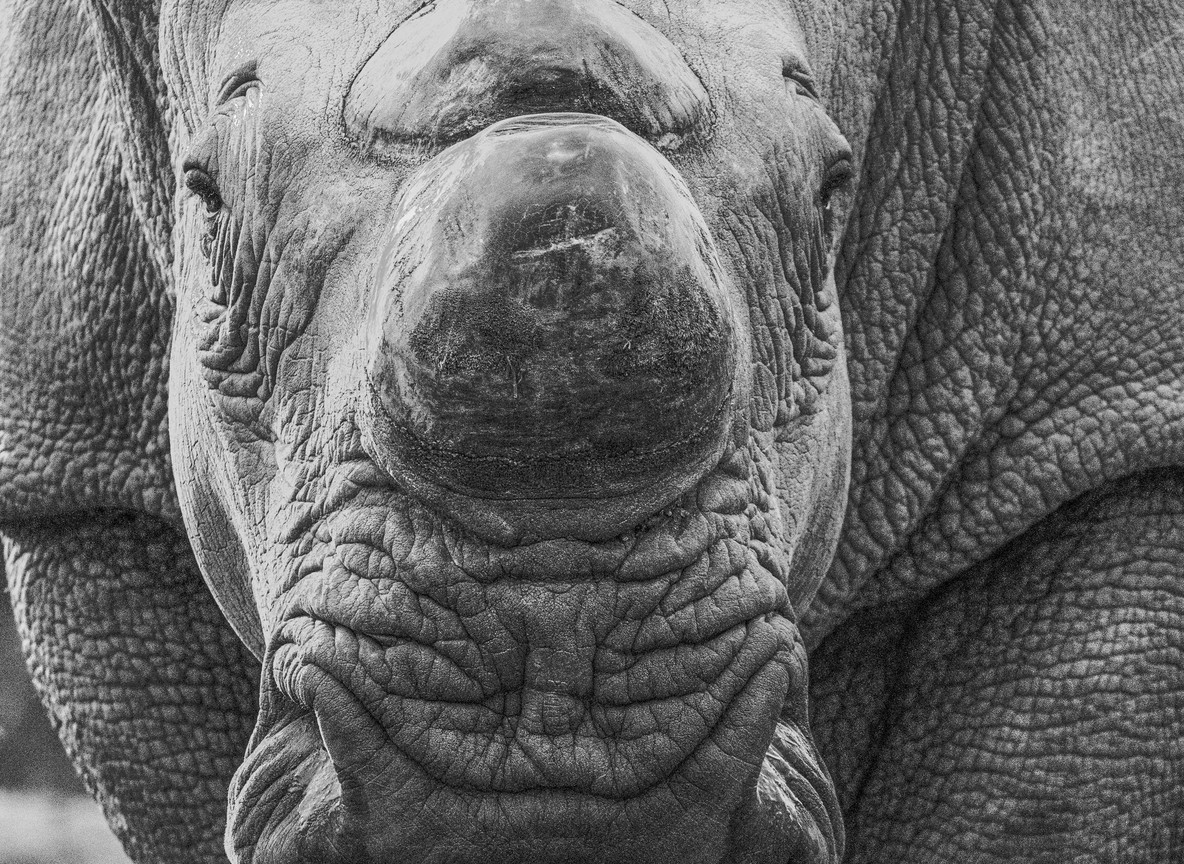
Solio’s importance goes beyond any single camp. The reserve holds one of the densest rhino populations in East Africa, with both black and white rhino breeding successfully inside its electrified perimeter for decades. That success turned Solio into a source population for the wider region. When Kenya Wildlife Service and partner conservancies need rhino to restock a depleted reserve, Solio is one of the first places they look. A new hotel brand moving in signals confidence that the security model here works. It also means guest fees, however they get structured through the camp, add a new funding stream to a conservation program that predates almost every luxury camp in the region.
Who This Camp Suits (and Who Should Look Elsewhere)
This property suits repeat Kenya visitors who want rhino density without the vehicle congestion common in parts of the Mara during peak season. Travelers who want cycling and walking activities alongside standard drives will also find a good fit, since Solio’s open terrain and lower predator density make those options safer than in Big Five parks. First-time safari travelers chasing the full Big Five in one trip should look elsewhere, since Solio’s fenced, rhino-focused model limits the range of species compared with an open ecosystem like the Mara or Amboseli. Budget-conscious travelers should also compare the older Solio Lodge or Ol Pejeta Bush Camp first. Both offer similar rhino access at meaningfully lower nightly rates.
Explorer Notes
Ask your camp host whether the day’s cycling route will pass near a black rhino, not just white rhino. Black rhino are more solitary and more likely to be startled, so guides route cycling groups around them more cautiously than around white rhino, which graze in more predictable spots. If you want both species in one outing, say so directly when booking your first game drive. Bring a windbreaker even in the dry season. Solio sits at higher elevation than the Mara, and mornings on an open bike route can run cold before the sun clears the ridge line. Guides here also track named rhino individuals the way Amboseli guides track named elephants, so ask for a name and history rather than settling for “a rhino sighting.”
What to Read Next
- Where to Stay at Ol Pejeta: Rhino Conservancy Camps Compared
- Laikipia vs Maasai Mara: Which Suits Your Safari Style
- Best Time to Visit Kenya for a Rhino-Focused Safari
FAQ
Is the JW Marriott Solio Camp inside a national park? No. Solio Game Reserve is a private, family-founded rhino sanctuary on the Nyeri-Laikipia border, not a government-run national park. It is separately managed from Kenya Wildlife Service parks like Amboseli or Nakuru.
How much does it cost to stay at JW Marriott’s new Solio camp? Opening reporting cited rates from approximately USD 1,499 per night, though this is an indicative figure that varies by season and room category. Confirm current rates directly with the property.
How far is Solio Game Reserve from Nairobi? Solio is roughly 200 km north of Nairobi by road, close to Nanyuki. Most visitors drive 3.5 to 4 hours total, or fly to Nanyuki Airstrip in about 35-40 minutes and transfer by road.
What makes Solio different from other rhino sanctuaries in Kenya? Solio has one of the highest rhino densities in East Africa and has supplied founder rhino populations to other Kenyan and Tanzanian reserves for decades, a track record longer than most conservancies in the region.
Can I do a cycling safari at other Kenya camps, or is this unique to Solio? A few Laikipia-area conservancies offer guided cycling, but Solio’s flat, open terrain and lower predator density make it one of the more established places in Kenya for this activity.
Solio’s rhino density is not going anywhere, even if a single camp’s opening rates sit above what fits your trip. Check the Tour Packages page for Laikipia and Mount Kenya itineraries that pair a rhino-focused stay with a more affordable camp nearby.
Further reading
More safari planning resources
- Kenya national parks map from SafariPure
- Ol Pejeta and Sweetwaters safari package from Valley Safaris
- Best time to visit Kenya on Touring Insights
- Big Five safari collection on FindMySafari
Related guides: Amboseli Gate Hours and Entry Timing: What You Need to Know.