A quick look at a map suggests the Masai Mara and the Serengeti almost touch. They share one ecosystem and one migration herd. So travelers often assume a short drive links them. The reality at the Isebania border crossing tells a different story. This is the public road route most overland trips actually use, and it runs well west of the reserves themselves. Touring Insights breaks down what the Isebania crossing really involves: the distances, the paperwork, and the hours it adds to a Mara-to-Serengeti itinerary.
Why Isebania Comes Up in Every Mara-to-Serengeti Plan
Isebania is a Kenyan border town in Migori County, sitting directly opposite Sirari on the Tanzanian side. It carries one of the busiest road links between the two countries. Cargo trucks, buses, and safari vehicles cross daily, moving between Kisii, Mwanza, and the wider Lake Victoria basin. It is a fully staffed immigration and customs post, open to all traffic. That makes it the crossing most self-drive and overland travelers rely on when moving between the Mara and the Serengeti by road. The reserves themselves sit close together inside one ecosystem, but Isebania is not inside either park. It is a working border town roughly two hours west of the Mara by road.
Where Isebania Actually Sits on the Map
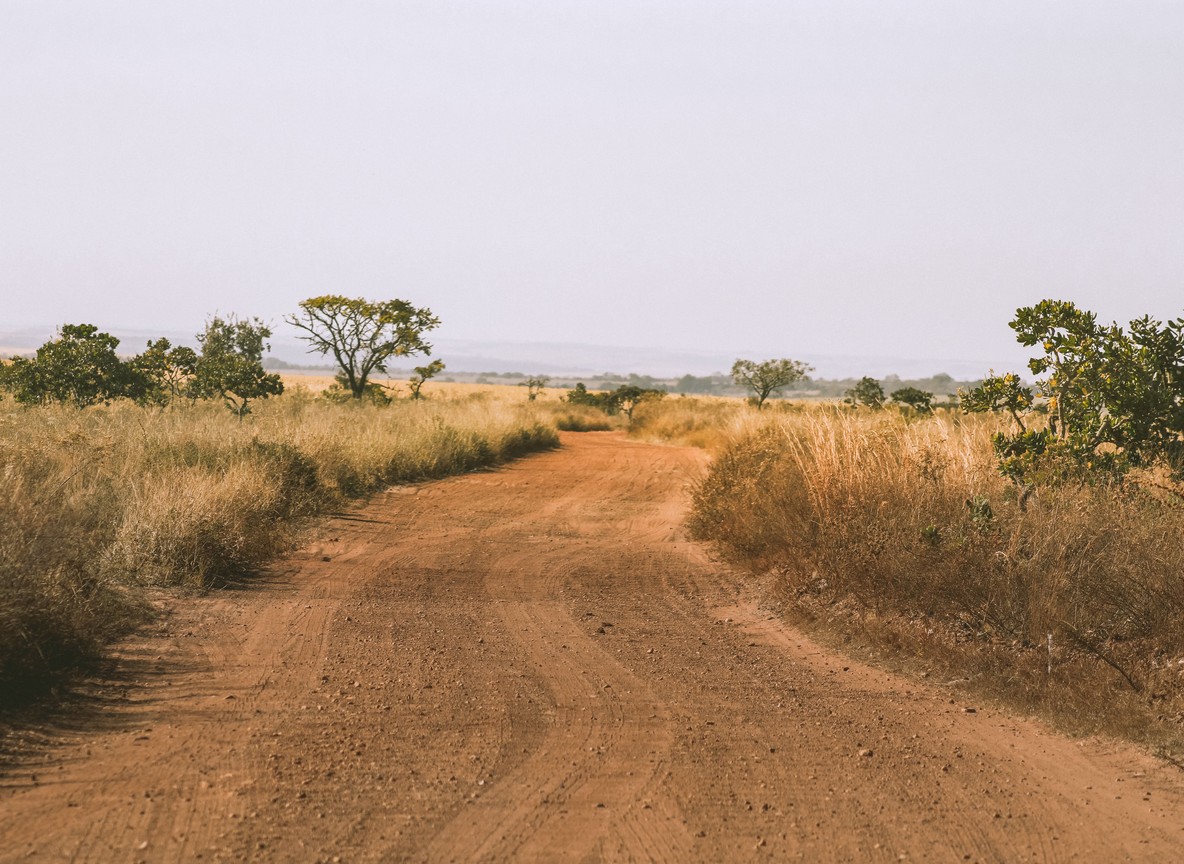
The confusion starts with geography. Isebania sits well outside the Masai Mara-Serengeti ecosystem, on a highway corridor that loops south and west before reaching Tanzania’s Serengeti gates. Travelers who expect a short cut between the two reserves are usually thinking of the Sand River area, not Isebania.
| Route Segment | Distance | Typical Drive Time |
|---|---|---|
| Sekenani Gate (Masai Mara) to Isebania | approx. 140 km | 3-4 hours, mixed gravel and tarmac |
| Isebania to Sirari border post | under 1 km | 15-30 minutes, crossing formalities |
| Sirari to Tarime town | approx. 10 km | 15-20 minutes |
| Tarime to Mugumu (Serengeti western gateway) | approx. 100 km | 2-2.5 hours |
| Mugumu to Ndabaka Gate (Serengeti west) | approx. 60 km | 1-1.5 hours |
| Full Mara-to-Serengeti overland trip via Isebania | approx. 310 km total | 8-10 hours including border stop |
Those numbers assume dry-season road conditions. The Kilgoris-Lolgorien stretch toward Isebania turns slow and muddy after heavy rain, which can add an hour or more.
The Two Ways to Cross Between Mara and Serengeti
Overland travelers usually weigh two options. One is the public Isebania-Sirari crossing. The other is the shorter route through Sand River Gate on the Mara side, which lines up with Bologonja Gate on the Serengeti side. Both connect the same two parks, but they serve very different kinds of trips.
| Factor | Isebania-Sirari Crossing | Sand River / Bologonja Gate |
|---|---|---|
| Access | Open public road border, any vehicle | Restricted to licensed safari vehicles with pre-arranged permits |
| Distance, Mara to Serengeti | approx. 310 km | approx. 30-40 km, camp to camp |
| Drive time | 8-10 hours | 1-2 hours where permitted |
| Immigration and customs | Full post, passport stamps, vehicle paperwork | Limited facilities, not set up for general public crossing |
| Best suited to | Self-drivers, budget overlanders, public transport connections | Guests on pre-booked fly-in or operator-arranged transfers |
| Reliability | Consistent, used daily by commercial traffic | Depends on conservancy and park arrangements, can change season to season |
The Sand River option looks appealing on a map because it is so much shorter. But it is not a general-access border crossing. It functions more as an internal park-to-park link for arranged safari transfers. Independent travelers cannot count on using it without a booked operator and confirmed permissions in advance. For anyone driving themselves, or connecting by public transport, Isebania-Sirari is the route that will actually work.
What a Realistic Isebania Border Crossing Day Looks Like
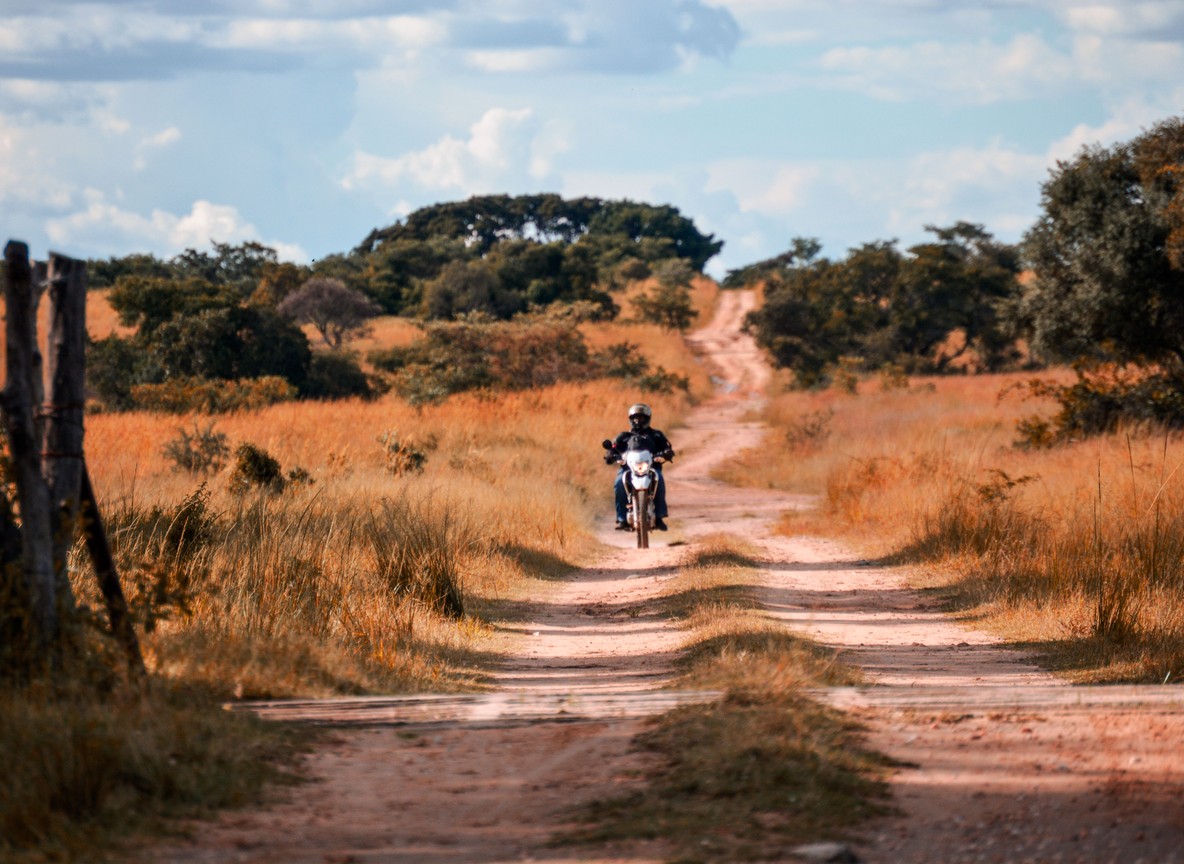
Border mornings move slower than travelers expect. Isebania and Sirari typically operate during daylight hours only, commonly cited as 6:00 a.m. to 6:00 p.m., though hours can shift and should be confirmed with a guide or operator before travel. Arriving early avoids the midday queue of cargo trucks, which can back up the crossing by an hour or more. Expect separate stops for Kenyan exit stamps, Tanzanian entry stamps, and vehicle paperwork if you are self-driving rather than using a registered tour vehicle. A clean, uneventful crossing runs 30 to 45 minutes. One with vehicle carnet issues, insurance gaps, or an unusually busy truck queue can stretch past two hours. Building that buffer into a same-day itinerary matters more than the distance itself.
Visas, Vehicle Documents, and Fees You Actually Need
Kenya and Tanzania are both East African Community members. But Tanzania sits outside the single East Africa Tourist Visa that covers Kenya, Uganda, and Rwanda. Most travelers need a separate Tanzania visa, arranged through the online eVisa portal or on arrival depending on nationality.
| Document or Fee | Indicative Cost | Notes |
|---|---|---|
| Tanzania tourist visa | approx. USD 50-100 | Varies by nationality; apply online in advance where possible |
| COMESA Yellow Card (regional vehicle insurance) | approx. USD 30-60 | Required for self-drive vehicles crossing multiple East African borders |
| Tanzania local third-party insurance | approx. USD 20-50 | Often purchased at the border for foreign-registered vehicles |
| Temporary vehicle import permit | Varies by vehicle type | Confirm requirements with Tanzania Revenue Authority before travel |
| Road toll and local levies | Small cash amounts, USD or TZS | Carry small denominations; card payment is unreliable at rural posts |
None of these figures are fixed. Treat them as planning ranges and confirm current rates with a registered operator or the relevant immigration and revenue authorities before you travel. Self-driving without a Yellow Card or without pre-arranged Tanzania insurance is the single most common cause of delay at Sirari.
Common Isebania Mistakes That Cost Travelers a Day
Most delays at this crossing are avoidable. Travelers assuming the East Africa Tourist Visa covers Tanzania get turned back to the visa counter, losing 30 minutes or more. Self-drivers without a COMESA Yellow Card sometimes cannot buy adequate local cover on the spot, especially outside normal hours. Vehicles carrying camping or filming gear without a customs declaration face extra scrutiny. Arriving after 4:00 p.m. without confirming closing times risks a same-day miss. That forces an overnight stop in Tarime or Sirari, neither of which offers the lodge standard travelers expect after a Mara safari.
When the Isebania Route Is Actually the Right Call
Isebania makes sense for budget overlanders, self-drive travelers, and anyone connecting by public bus between Kenya and Tanzania’s Lake Victoria region. It is slower than a fly-in transfer, but it is dependable and open to everyone with the right documents. Travelers on a tighter timeline, or those without their own vehicle, are usually better served by a short flight instead. A hop between Mara airstrips and Serengeti airstrips such as Seronera or Kogatende cuts the same journey to under an hour in the air. The road route through Isebania suits the trip itself, not just the crossing, when time on the ground matters more than time saved.
Explorer Notes
Fuel up fully in Kilgoris before the Isebania stretch. Stations thin out fast past that point on both sides of the border. Carry printed copies of vehicle registration, insurance, and any conservancy or park permits. Border staff at smaller posts do not always have reliable scanning equipment for digital copies. Keep a stash of small-denomination US dollars and Tanzanian shillings for tolls and incidental fees. Card readers are unreliable this far from either capital. If your itinerary allows any flexibility, cross before 9:00 a.m. Truck queues build fast by mid-morning and can add well over an hour to an otherwise routine stop.
What to Read Next
- Weighing road versus air between the reserves? Compare Mara and Serengeti airstrip transfer times with a partner operator before booking.
- Building a full Kenya-Tanzania overland loop? Check how the Isebania route connects with routes toward Mwanza and Lake Victoria.
- New to cross-border safari logistics? Review general Kenya-Tanzania border document requirements before your first self-drive trip.
FAQ
Is the Isebania border crossing the direct route between Masai Mara and Serengeti? No. Isebania sits well west of both reserves on a public highway corridor. The direct link inside the ecosystem is Sand River Gate to Bologonja Gate. That crossing is restricted to licensed safari vehicles with pre-arranged permits, not general travelers.
How long does it take to drive from Masai Mara to Serengeti via Isebania? Plan on 8 to 10 hours total, covering roughly 310 km from Sekenani Gate through Isebania, Sirari, Tarime, and Mugumu to Serengeti’s western gates. Road conditions and border queues can extend that.
Do I need a separate visa for Tanzania if I already have an East Africa Tourist Visa? Yes. Tanzania is not included in the East Africa Tourist Visa that covers Kenya, Uganda, and Rwanda. Most travelers need a separate Tanzania visa, arranged online in advance or on arrival depending on nationality.
What hours does the Isebania-Sirari border operate? The post commonly operates during daylight hours, often cited as 6:00 a.m. to 6:00 p.m., though this should be confirmed with a guide or operator before travel since hours can shift.
Is flying between the Mara and Serengeti faster than driving via Isebania? Yes, significantly. A scheduled flight between Mara airstrips and Serengeti airstrips like Seronera typically takes under an hour. The road route through Isebania runs 8 to 10 hours.
Isebania rewards travelers who plan the paperwork as carefully as the route. Check the Tour Packages page for itineraries that handle the Mara-to-Serengeti link by air. Or ask a partner operator to confirm current border hours and visa requirements before you drive it yourself.
Further reading
- Magical Kenya (Kenya Tourism Board)
- WWF wildlife conservation
- Maasai Mara Wildlife Conservancies Association