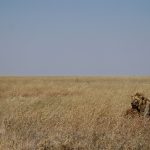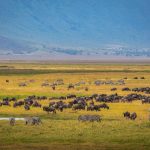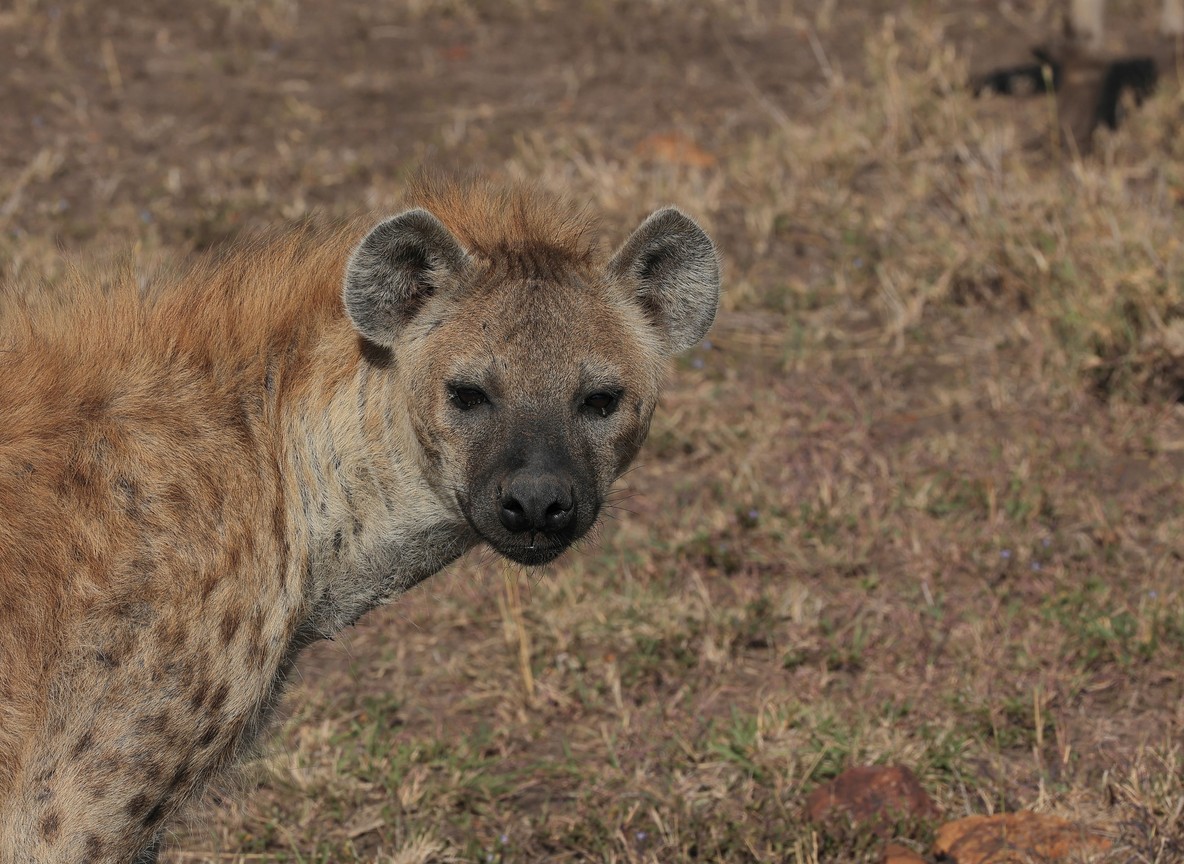
A traveler on a well-known Kenya travel forum recently laid out a 12-night, four-lodge photography safari at three nights per camp. Other posters agreed it was close to ideal. Too many first-time planners still build a 10-night trip around five camps, one night each, and wonder why they spent more time packing than watching wildlife.
Touring Insights built a pacing formula from repeat itineraries, camp changeover logistics, and real drive and flight times across Kenya’s main circuits. Use it to decide how many camps your trip can actually support, not just how many you can fit on a map.
The Short Answer: A Pacing Formula You Can Use Today
Book a minimum of 2 nights per camp. Make it 3 nights when the park is a headline stop like the Maasai Mara or Amboseli. Cap most trips at 4 nights per camp, since returns flatten out after that. Treat 1-night stops as connectors only, not destinations.
A rough working rule: take your total trip nights, subtract 1 for Nairobi arrival, then divide by 3. That gives you a realistic camp count. A 10-night safari, for example, supports about 3 camps at 3 nights each, not 5 camps at 2 nights each.
Why Camp-Hopping Too Fast Ruins a Kenya Safari
Every camp change costs a half or full day. Pack-up, checkout, a transfer by road or light aircraft, check-in, and camp orientation eat into game-drive time that you already paid for. A 1-night stay effectively buys you a single afternoon or morning game drive, since your arrival and departure windows tend to follow flight and daylight schedules.
Wildlife behavior also rewards patience. Predator sightings, a river crossing, or a denning cheetah often take two or three days to click into place. Guides get to know your interests better by day two, which sharpens where they take you on day three.
The Baseline: Minimum, Ideal, and Maximum Nights Per Camp
Two nights is the floor for any camp that counts as a real stop. That gives you one full day plus partial arrival and departure days. Three nights is the sweet spot for marquee ecosystems: the Maasai Mara, Amboseli, or the Serengeti-adjacent conservancies. It allows a slow first afternoon, a full second day to explore different zones, and a relaxed final morning drive before your transfer.
Four nights suits camps with layered activities, such as walking safaris, night drives, or cultural visits. Laikipia conservancies like Ol Pejeta and Loisaba fit this pattern well. Beyond four or five nights in one ecosystem, most travelers see diminishing new sightings, unless they are chasing a specific event like the Mara River crossing season.
Nights Per Region: A Practical Comparison Table
| Region / Park | Recommended Nights | Drive Time from Nairobi | Flight Time from Wilson Airport | Park/Conservancy Fee (per person/day, indicative) | Signature Camp Example |
|---|---|---|---|---|---|
| Amboseli National Park | 2-3 nights | approx. 240 km, 4-4.5 hrs via Namanga road | approx. 35-45 min to Amboseli Airport | $60-75 (indicative, confirm before travel) | Tortilis Camp, near Kitirua and the Kimana Gate side |
| Maasai Mara National Reserve | 3-4 nights | approx. 270 km, 5-6 hrs via Narok | approx. 45 min to Musiara, Keekorok, or Ol Kiombo airstrip | $100 peak season (indicative, confirm before travel) | Governors’ Camp, on the Mara River near Musiara |
| Lake Nakuru National Park | 1-2 nights (connector) | approx. 160 km, 2.5-3 hrs via A104 | Limited scheduled service; road preferred | $60 (indicative, confirm before travel) | Sarova Lion Hill Game Lodge, on the eastern escarpment |
| Samburu National Reserve | 2-3 nights | approx. 325 km, 5-6 hrs via Nanyuki-Isiolo | approx. 60 min to Samburu/Kalama airstrip | $70 (indicative, confirm before travel) | Elephant Bedroom Camp, on the Ewaso Nyiro River |
| Tsavo West National Park | 2-3 nights | approx. 240 km, 4 hrs via Mtito Andei | approx. 40-45 min to Kilaguni airstrip | $52 (indicative, confirm before travel) | Kilaguni Serena Safari Lodge, near Mzima Springs |
| Laikipia (Ol Pejeta / Loisaba) | 2-4 nights | approx. 200-300 km, 3.5-6 hrs via Nanyuki | approx. 45-60 min to Nanyuki or Loisaba airstrip | $90-100 (indicative, confirm before travel) | Kicheche Laikipia, on the Ol Pejeta plains |
Amboseli to the Maasai Mara has no practical direct road route for most itineraries. Scheduled light aircraft cover the hop in roughly 1 hour to 1 hour 10 minutes, which is the transfer most multi-stop safaris rely on.
How Many Camps Should a 7, 10, or 14-Night Safari Include?
A 7-night safari fits comfortably into 2 camps at 3 nights each, plus 1 arrival night in Nairobi. Pair Amboseli with the Maasai Mara, or the Mara with Lake Nakuru as a shorter add-on.
A 10-night safari supports 3 camps, commonly Amboseli, the Mara, and a Laikipia conservancy, at roughly 3 nights apiece. Push to 14 nights and you can stretch to 4 camps at 3 nights each, matching the forum example that sparked this pacing question. Alternatively, keep 3 camps and give the trip’s headline park one extended 4-night stay.
Resist the urge to add a 5th or 6th camp just because the map has room. Each extra changeover subtracts a half-day of wildlife time and adds a full day of logistics.
Changeover Days: What They Cost You in Game-Drive Time
A road transfer between regional parks, such as Nairobi to Amboseli, typically consumes most of a travel day once you account for lunch stops and border-post-style gate procedures. Flight transfers are faster in the air but still burn 3-4 hours door to door once you count checkout, drive to the airstrip, wait time, and camp arrival on the other end.
Build your itinerary so changeover days replace a game drive you would have skipped anyway, such as a midday rest period, rather than cutting into prime early-morning or late-afternoon light.
When One Night Is Actually Fine (and When It Isn’t)
A single night works for a genuine waypoint, such as an overnight near Nairobi before an early flight, or a brief Lake Nakuru stop between Nairobi and the Mara on a road-based itinerary. It does not work as a way to sample a headline park like the Mara or Amboseli. One night there means arriving in the afternoon, one game drive, and departing the next morning, which is a preview, not a safari.
If your itinerary shows more than 2 one-night stops back to back, that is a signal to consolidate. Drop a camp entirely rather than spreading the same nights thinner across more stops.
Explorer Notes
Ask your camp for a 6 a.m. or earlier checkout on changeover mornings and route it through one last short game drive on the way to the gate or airstrip. Many camps will build this in if you ask when booking rather than on arrival.
Airstrip departure times often shift by 30-60 minutes once other passengers on the shared light aircraft are confirmed. Keep your first afternoon at the next camp unscheduled rather than booking a fixed-time activity, so a delayed flight does not cost you anything beyond the wait.
If you are combining a fenced conservancy like Ol Pejeta with an open reserve like the Maasai Mara, put the fenced stop first. Travelers consistently rate the open, unfenced sightings higher when they come second, since the contrast lands better than the reverse order.
What to Read Next
- Weighing a shorter Amboseli stop specifically? Read our 3-night vs 5-night Maasai Mara safari guide.
- New to combining regions? See our Laikipia conservancies compared guide before you build a multi-stop route.
- Deciding on road versus air for your changeovers? Check self-drive vs guided Maasai Mara for the logistics side.
FAQ
What is the minimum number of nights per safari camp in Kenya? Two nights is the practical floor. It gives you one full game-drive day plus partial arrival and departure days, rather than a single rushed afternoon.
Is 1 night ever acceptable at a Kenya safari camp? Only as a connector, such as a Nairobi stopover before an early flight or a brief Lake Nakuru stop en route to the Mara. Avoid it at headline parks like Amboseli or the Maasai Mara.
How many camps should a 10-night Kenya safari include? Around 3 camps at roughly 3 nights each works well, commonly pairing Amboseli, the Maasai Mara, and one Laikipia conservancy.
How long does it take to fly between Amboseli and the Maasai Mara? Scheduled light aircraft cover the hop in about 1 hour to 1 hour 10 minutes. There is no practical direct road route for most travelers.
Does more nights per camp always mean better sightings? Not indefinitely. Three to four nights covers most ecosystems well. Beyond that, most travelers see diminishing new sightings unless they are timing a specific event like a river crossing.
Ready to map your own pacing? Visit our Tour Packages page to see sample multi-stop routings, or ask a partner operator to build a nights-per-camp plan around the parks on your shortlist.
Further reading
More safari planning resources
- Nairobi to Maasai Mara route guide from Valley Safaris
- Amboseli National Park guide on Touring Insights
- Amboseli destination guide on FindMySafari
- Map of Amboseli from Valley Safaris
Related guides: How Many Nights in Amboseli? A Practical Safari Guide.