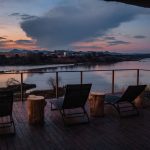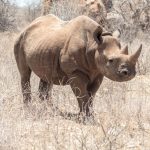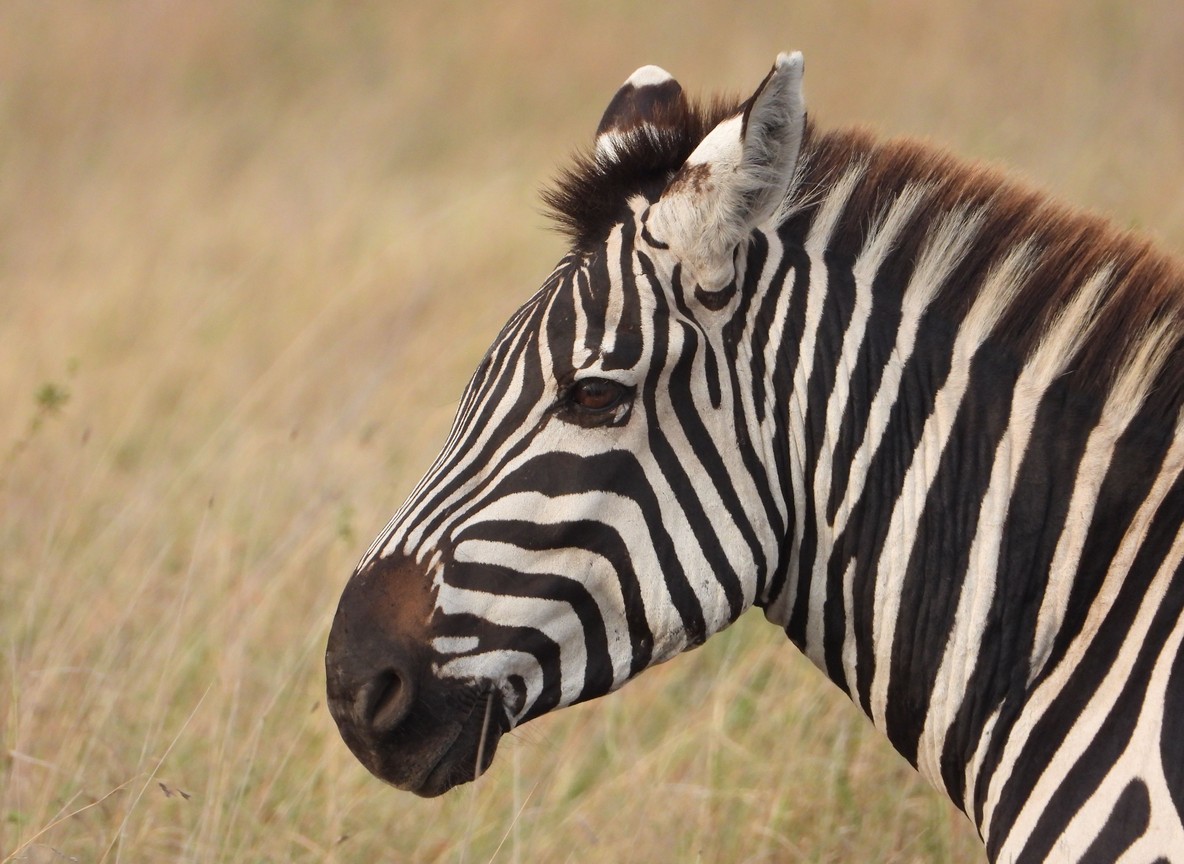
Planning a first safari can feel like homework with no answer key. Kenya or Tanzania? Which month? How much should camps actually cost? Touring Insights built this guide to answer those questions with real numbers, not vague reassurance. Below you will find named parks, gates, and airstrips, plus indicative costs so you can start narrowing down a route instead of staring at a blank map. This is not a booking pitch. It is the planning layer that should come before you talk to any operator.
When to Go: Matching Season to What You Want to See
East Africa does not have one safari season. It has several, and each rewards a different traveler.
| Months | Conditions | Best for |
|---|---|---|
| January-February | Short dry spell, warm, calving season in the southern Serengeti | Predator action, newborn wildebeest, fewer crowds than July |
| March-May | Long rains, some camps close, lush green landscapes | Budget travel, birding, photographers who like dramatic skies |
| June-October | Dry season, Mara River crossings peak July-September | First-timers wanting reliable wildlife viewing and the Great Migration |
| November-December | Short rains, landscape greens up again | Shoulder-season value, quieter parks |
If this is your only safari for a while, June through September gives the most predictable game viewing. Grass is shorter, water sources shrink, and animals cluster where you can actually find them. Rain can shift these windows by a few weeks each year, so confirm current conditions with an operator before locking dates.
Kenya or Tanzania: Which Fits a First Safari Better
Both countries share the same Mara-Serengeti ecosystem, so the wildlife overlap is real. The differences show up in logistics, cost, and pacing.
| Feature | Kenya (Maasai Mara) | Tanzania (Serengeti + Ngorongoro) |
|---|---|---|
| Gateway airport | Jomo Kenyatta International (Nairobi, NBO) | Kilimanjaro International (JRO), near Arusha |
| Main reserve size | Maasai Mara National Reserve, approx. 1,510 km2 | Serengeti National Park, approx. 14,750 km2 |
| Typical park fee (non-resident, per day) | indicative $70-100, confirm current Narok County rate | indicative $70-82, plus Ngorongoro Conservation Area fee if visiting the crater |
| Signature extra | Balloon safaris over the Mara at dawn | Ngorongoro Crater floor game drive |
| Drive time from gateway city | approx. 5-6 hours, Nairobi to Mara via Narok | approx. 6-7 hours, Arusha to Seronera |
| Fly-in option | approx. 45 minutes, Wilson Airport to Mara airstrips | approx. 45-60 minutes, Arusha to Seronera airstrip |
Kenya usually works better for a shorter first trip because the Mara sits closer to Nairobi and flight schedules are frequent. Tanzania rewards travelers with 10 or more days, since the Serengeti-Ngorongoro-Tarangire combination needs more driving time between parks. Many first-timers eventually do both on separate trips rather than cramming everything into one.
What an East Africa Safari Actually Costs
Safari pricing scares people because nobody publishes real numbers. Camps quote per person, per night, and rates swing hard by season and property style.
| Style | Indicative cost per person, per night | What you get |
|---|---|---|
| Budget camping safari | $150-250 | Shared driver-guide, permanent tented camps or public campsites |
| Mid-range lodge or tented camp | $300-550 | Private bathroom, three meals, one or two game drives daily |
| Luxury tented camp | $600-1,200 | Small camp, dedicated guide, sundowners, often inside a private conservancy |
| Ultra-luxury or exclusive-use camp | $1,200+ | Private vehicle, personalized itinerary, top-tier locations near river crossings |
These figures exclude international flights and park fees, which are billed separately by most operators. Treat every number here as a planning range, not a quote. Always confirm current rates with a specific camp or operator before you budget your trip.
Building Your Route: Parks, Distances, and Flight Times
A first safari route usually anchors around one or two parks rather than a long circuit. Here is what the numbers actually look like.
| Route | Distance | Time |
|---|---|---|
| Nairobi to Maasai Mara (via Narok, road) | approx. 270 km | 5-6 hours by 4×4 |
| Nairobi Wilson Airport to Mara airstrips (Keekorok, Ol Kiombo, Musiara) | n/a | approx. 45 minutes by air |
| Nairobi to Amboseli National Park (via Namanga road) | approx. 236 km | 4-5 hours by road |
| Namanga border crossing, Nairobi side | approx. 165 km from Nairobi | 2.5-3 hours by road |
| Arusha to Serengeti (Seronera area) | approx. 325 km | 6-7 hours by road, or approx. 45-60 minutes by air |
| Arusha to Ngorongoro Crater rim | approx. 180 km | 3-4 hours by road |
| Nairobi (JKIA) to Kilimanjaro International Airport (JRO) | approx. 250 km by air | approx. 1 hour flight |
Fly-in safaris cost more but save entire travel days. A first-timer with seven to ten days often does better flying between one or two hub airstrips rather than road-tripping the whole circuit. If your schedule is tight, prioritize flights over long game-drive-day transfers between parks.
Choosing a Camp Style That Matches Your Trip
Permanent lodges suit travelers who want consistent Wi-Fi, a pool, and predictable meal service. Mobile tented camps move with the migration and put you closer to the action, though facilities are simpler. Private conservancies bordering the Mara, such as those around the Naboisho and Olare Motorogi areas, cap vehicle numbers per sighting, which matters if crowded game drives are your biggest worry.
For a first trip, book at least one night in a conservancy or private concession if the budget allows. Fewer vehicles at a sighting changes how the whole experience feels, especially for photography.
Health, Visas, and Packing Basics
Kenya and Tanzania both require an e-visa for most nationalities, arranged online before departure. Yellow fever vaccination proof is required if you are arriving from or transiting through a country with yellow fever risk; check current requirements with your embassy or a travel clinic, since rules change. Malaria prophylaxis is standard advice for most safari regions, and a pre-trip consultation with a travel doctor covers this better than a blog post can.
Pack neutral-colored clothing, a warm layer for early morning game drives, and a wide-brim hat. Binoculars matter more than most first-timers expect. Most camps offer laundry service, so pack light rather than for a full trip length.
Explorer Notes
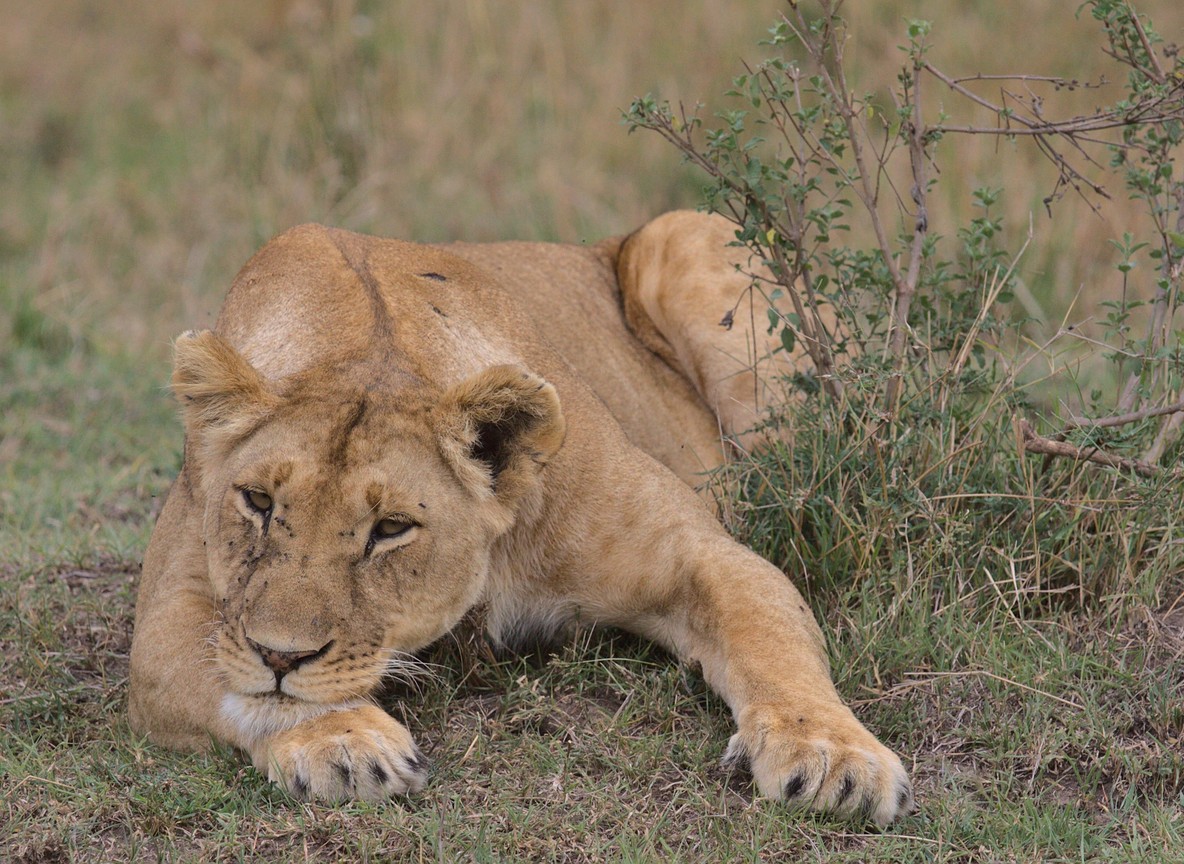
Guides who work the Mara-Serengeti border say the biggest first-timer mistake is over-scheduling. Two game drives a day sounds efficient, but the best sightings often happen when a guide can linger at one spot for forty minutes instead of rushing to the next stop on a checklist. If your itinerary has room, ask your operator to build in unstructured time rather than back-to-back activities.
Another detail worth knowing: airstrip transfers inside the Mara and Serengeti often involve short hops between multiple camps’ guests on one aircraft, so your actual departure time can shift by 20-30 minutes. Build a buffer before any international connection on your last day, and avoid booking a same-day flight home from Nairobi or Kilimanjaro right after a bush flight.
What to Read Next
- Weighing where to start? See our Maasai Mara vs Serengeti comparison.
- Building a day-by-day plan? Check the 7-day Kenya safari itinerary for first-timers.
- Wondering what else surprises new visitors? Read 16 things to know before your first Kenya safari trip.
FAQ
How many days do I need for a first East Africa safari? Seven days is a workable minimum for one country and one or two parks. Ten to fourteen days gives room to combine Kenya and Tanzania or add a beach extension on the coast.
Is Kenya or Tanzania better for a first safari? Kenya’s Maasai Mara is easier to reach from Nairobi and suits shorter trips. Tanzania’s Serengeti-Ngorongoro combination rewards longer stays with more driving time built in.
What does a first East Africa safari cost per person? Budget camping trips start around $150-250 per person per night. Mid-range lodges run $300-550, and luxury camps run $600 and up, excluding international flights and park fees.
Do I need vaccinations for an East Africa safari? Yellow fever proof may be required depending on your travel history, and malaria prophylaxis is commonly recommended. Confirm current requirements with a travel clinic before departure.
When is the best time for a first safari? June through October offers the most reliable game viewing, including Mara River crossings from July to September. Shoulder seasons in March-May and November-December cost less and draw fewer crowds.
Once you have a rough route and season in mind, the next move is matching it to a specific camp and vehicle setup. Visit our Tour Packages page to compare properties along the routes above, or ask a partner operator to build a first-timer itinerary around the parks that matched your priorities here.
Further reading
- Magical Kenya (Kenya Tourism Board)
- Kenya Wildlife Service
- Maasai Mara Wildlife Conservancies Association
More safari planning resources
- Best time to visit Kenya month-by-month map from Valley Safaris
- Best time to visit Kenya on Touring Insights
- Compare Kenya safari packages on FindMySafari
- Interactive Maasai Mara map from Valley Safaris
Related guides: Best Place to Stay in Amboseli for First Timers.