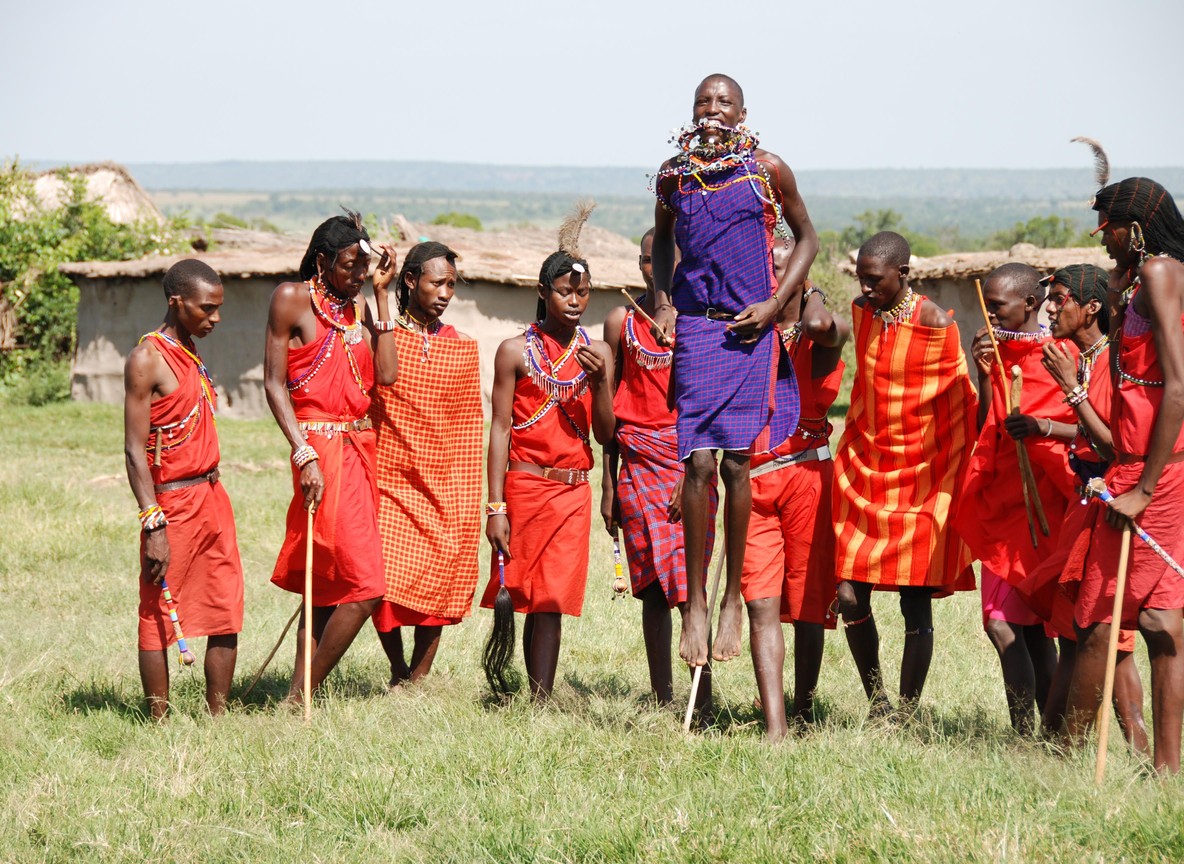
As of 2026, a single Maasai community typically holds only one or two Eunoto ceremonies per generation, since the entire age-set of warriors must be ready together, not one person alone. During the four to five day ritual, held inside a purpose-built enkang o sinkira village, each moran’s mother shaves off his long ochre-dyed hair, ending roughly a decade as a warrior and opening the path to marriage and elder status.
This is not a staged show for visitors. It is a real, community-run ritual, and it follows its own schedule, not a tourist calendar.
What Is the Eunoto Ceremony
Eunoto marks a big shift for an entire age-set of Maasai warriors, known as morans or ilmurran. The whole group moves up together, from junior warrior to senior warrior. This is the first step toward full elder status.
During the ceremony, mothers shave their sons’ long hair. Elders bless the group. The men gain permission to marry. They also get a voice in community decisions for the first time.
Eunoto sits inside a bigger sequence of male rites of passage. UNESCO lists this sequence as intangible cultural heritage. It has three parts. Enkipaata comes first, before circumcision. Eunoto is the warrior-to-elder shift. Olng’esherr comes last and confirms full senior elder status. Eunoto is the middle step, and the most elaborate of the three.
The Maasai Age-Set System Behind It
Maasai society groups men into age-sets. Boys circumcised around the same years move through life stages together. After circumcision, a boy becomes a junior moran. He takes on herding and protection duties with his age-mates.
This warrior period traditionally lasts about ten years. Some accounts put it at seven years, others closer to fifteen, depending on the community. Eunoto only happens when a whole age-set is ready to move up. It does not follow one person’s personal timeline.
That rule is what makes Eunoto rare. A single Maasai community might hold only one or two Eunoto ceremonies in a generation. Clan elders set the date. There is no fixed calendar.
Inside the Four-Day Ritual
A full Eunoto typically runs four to five days. It happens inside a purpose-built ceremonial village called the enkang o sinkira. Families build this temporary settlement just for the event. It can house warriors and relatives for weeks before and after the main rituals.
The most visible moment is the hair-shaving. Each moran’s mother cuts away the long, ochre-coated hair he has worn since becoming a warrior. It is a physical marker of the identity he is leaving behind.
Elders bless the group. Warriors perform traditional songs and the adumu jumping dance. Families slaughter cattle for a shared feast. By the end, the age-set holds new status as senior warriors. Full elder status comes later, through the Olng’esherr ceremony.
Where and When Eunoto Takes Place
Eunoto ceremonies happen across Maasai communities in southern Kenya and northern Tanzania. On the Kenyan side, they happen most often in Narok and Kajiado counties. Across the border, they cluster around the Arusha and Ngorongoro areas.
Timing depends on clan-level decisions, so there is no single national date. In February 2021, one such gathering drew more than 15,000 morans from the Purko clan. They met at a manyatta near Rotian village in Narok North. That scale is unusual, even for Eunoto.
Smaller, clan-specific ceremonies happen more quietly. They are rarely announced in advance. Travelers hoping to see one should expect uncertainty, not a bookable date.
Eunoto Ceremony: Key Facts
| Detail | Figure |
|---|---|
| Typical warriorhood period before Eunoto | approx. 7-15 years, commonly cited around 10 years (indicative, varies by clan) |
| Main ceremony duration | 4-5 days inside the enkang o sinkira |
| Core regions | Narok County and Kajiado County, Kenya; Arusha and Ngorongoro areas, Tanzania |
| Distance Nairobi to Narok town | approx. 150 km, roughly 2.5-3 hrs by road |
| Distance Nairobi to Kajiado town | approx. 80 km, roughly 1.5-2 hrs by road |
| Notable recorded gathering | approx. 15,000 morans, Rotian village, Narok North, February 2021 |
| Indicative cultural-visit fee (community-arranged, per person) | $20-60, separate from any park or conservancy fee (indicative) |
Can Travelers Actually Witness a Eunoto Ceremony?
Seeing a Eunoto is possible, but genuinely rare. It should never be treated like a scheduled game drive. Community elders decide who attends. Outside visitors usually need a direct invitation, or an introduction through a trusted local contact. Often that contact is a guide or camp with long-standing ties to the area.
Photography and filming are sensitive topics. Some families welcome respectful documentation. Others do not. Rules can differ even within the same ceremony. Anyone lucky enough to attend should ask before photographing any individual. Dress modestly. Follow the host family’s lead on where to stand and when to speak.
A cultural camp with real ties to a specific Maasai group offers the best route to an invitation. That beats showing up uninvited near a manyatta.
How Eunoto Is Changing Today
Eunoto still follows its core structure, but the world around it keeps shifting. More Maasai boys now stay in school through their teenage years. That pushes circumcision, and the start of moranhood, later than it happened a generation ago. Some communities have shortened the traditional warriorhood period as a result.
County governments and conservation groups now coordinate with elders around large gatherings, like the 2021 Rotian ceremony. They help manage road access and health services for thousands of attendees. Mobile phones and cars sit alongside spears and beaded ornaments at the enkang o sinkira. That detail surprises first-time visitors who expect a scene frozen in the past. Elders still control the ritual itself. But the logistics around it look increasingly modern.
Eunoto Compared to Other Maasai Rites of Passage
| Ceremony | Who It’s For | What It Marks | Typical Frequency |
|---|---|---|---|
| Enkipaata | Boys before circumcision | Preparation for entering warriorhood | Once per age-set, before initiation |
| Eunoto | Junior warriors (morans) | Transition from junior warrior to senior warrior | Roughly once every 7-15 years per age-set |
| Olng’esherr | Senior warriors | Confirmation as full elders, more decision-making roles | Years after Eunoto, same age-set |
Each ceremony belongs to the same age-set as it ages together over decades. Eunoto sits in the middle. It is more elaborate than Enkipaata, and more widely documented than the quieter Olng’esherr that follows years later.
Explorer Notes
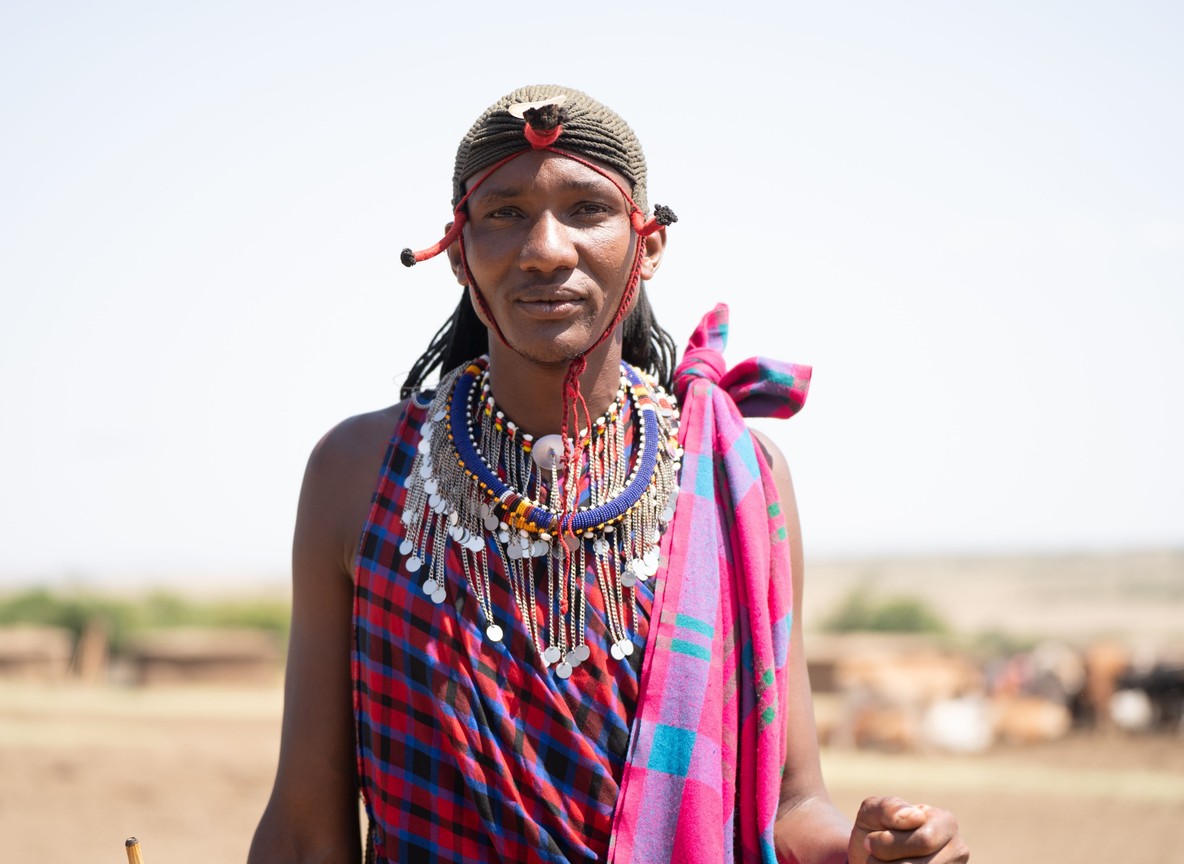
Guides who work regularly with Maasai communities in Narok and Kajiado counties share a few practical points. First, a real Eunoto invitation almost always comes through a relationship built over multiple visits, not a one-time booking. Travelers who are serious about this should plan a longer relationship with one camp or community, not a single trip. Second, the hair-shaving moment carries deep meaning for families. Treating it as a photo opportunity, rather than a milestone, can cause real offense. Third, roads to rural manyattas can turn rough during ceremony season, especially after rain. Budget extra time and expect to need a 4×4. Finally, some cultural camps host smaller Maasai ceremonies tied to specific group ranches. These offer a reliable way to see related traditions, like adumu jumping dances and beadwork, when a full Eunoto is not happening nearby.
FAQ
What does the Eunoto ceremony mark for Maasai warriors? It marks the shift from junior warrior, or moran, to senior warrior and eventual elder status. It grants permission to marry and take part in community decisions.
How often does a Eunoto ceremony happen? It depends on the age-set and clan. Most sources put it at once every 7-15 years, commonly cited around a decade. It happens when a whole warrior age-set is ready to move up.
Can tourists attend a Eunoto ceremony in Kenya or Tanzania? Rarely, and only with an invitation. That usually comes through a trusted local contact, such as a guide, camp, or community with an established relationship in the area.
Where in Kenya is Eunoto most commonly held? Narok and Kajiado counties see the most Eunoto ceremonies. Related communities in the Arusha and Ngorongoro areas of northern Tanzania also hold them.
Is Eunoto the same as the Maasai jumping dance? No. The adumu jumping dance is one performance within a Eunoto ceremony, not the ceremony itself. It also appears in some standalone cultural demonstrations at camps.
Interested in pairing a Maasai cultural experience with your Kenya safari itinerary? Check our Tour Packages page. Or ask a partner operator with established community ties about arranging a respectful, invitation-based cultural visit as part of your trip.