Kenya safari planning often gets flattened into two categories: budget trips on one side and ultra-expensive lodge circuits on the other. In practice, the most interesting decisions happen in the middle. That is where readers start comparing comfort against exclusivity, private guiding against shared departures, and depth of experience against the temptation to fit too many parks into one itinerary.
This guide looks closely at custom mid-range and luxury Kenya safaris from a reader perspective. It explains what “custom” actually changes, how mid-range and luxury formats differ in feel rather than marketing language alone, why pacing matters as much as lodge quality, and which destinations work best when travelers want a safari shaped around their interests rather than a generic circuit. Readers who want the wider planning frame first can pair it with the Kenya safari planning guide.
What Makes a Safari Truly Custom
A custom safari is not simply a private vehicle with a different price tag. The real difference is that the trip is built around preferences that affect the day-to-day experience.
That usually includes:
- how many nights are spent in each park
- whether the trip prioritizes photography, wildlife density, scenery, or rest
- the balance between overland driving and internal flights
- whether the accommodation style leans toward polished comfort or small-scale immersion
- how much structure the traveler wants in each day
In other words, personalized Kenya safari tours are really about control over emphasis. Two readers can both visit the Masai Mara and Amboseli, but one may want long game drives and minimal transfers while another may prefer a slower pace with generous lodge time and higher-end design. Readers building a Mara-first version of that trip can keep the best camps and lodges in the Maasai Mara guide alongside this one.
Mid-Range vs Luxury: The Real Difference
The difference between mid-range and luxury is often described too vaguely. Readers are told one is “comfortable” and the other is “exclusive,” which does not help much when comparing actual safari tradeoffs.
Mid-Range Safaris
Well-built mid-range Kenya safari packages often use permanent tented camps or classic lodges that are comfortable, well located, and strong on practical value. Rooms tend to be spacious, food is reliable, and game-drive access is usually the main priority rather than elaborate architectural design.
This format often suits:
- readers who want a private safari without paying for ultra-high-end frills
- first-time safari travelers who care more about wildlife than brand-name properties
- travelers combining several parks and needing cost discipline without dropping standards too far
The best mid-range options are not “cheap luxury.” They are a different choice: less insulated, sometimes more direct, often very satisfying.
Luxury Safaris
Luxury Kenya safari itineraries usually begin to separate themselves through location, space, staff ratio, and atmosphere. The best properties are often smaller, quieter, and less crowded rather than simply more expensive. That may mean a camp in a private conservancy, a suite with a stronger view, more flexible meal timing, and a guide structure that allows more personalization.
For many readers, the most meaningful luxury upgrade is not the bath tub or the wine list. It is time and quiet: fewer rooms, fewer vehicles at sightings, and less operational friction around the whole experience.
Why Boutique Luxury Often Matters More Than Corporate Luxury
One of the most useful distinctions in Kenya safari planning is between large, polished luxury properties and smaller boutique camps in wildlife-rich areas. Both can be comfortable. They do not feel the same.
Large lodges can offer convenience and strong infrastructure, but they may also create a shared, more standardized rhythm. Boutique camps, especially in private conservancies, usually feel more intimate. That affects not only privacy but also how wildlife viewing unfolds, how flexible the day feels, and whether the trip feels designed or processed.
Readers comparing custom mid-range and luxury Kenya safaris should pay attention to:
- number of rooms or tents
- whether the property is inside a reserve or in a conservancy
- whether activities extend beyond standard game drives
- how much vehicle crowding is typical in the area
This matters more than many accommodation roundups suggest. Readers trying to judge that difference at operator level can compare this with the Safari Companies in Kenya guide.
The Pacing Problem: Too Many Parks, Not Enough Safari
One of the most common weaknesses in standard itineraries is poor pacing. Too many trips promise maximum coverage by stringing together several parks in too few days. On paper that looks efficient. On the ground it often turns into long road sections, frequent unpacking, and a trip remembered through vehicle windows more than wildlife moments.
This is why Kenya safari pacing deserves more attention. A custom trip can be mid-range or luxury, but it usually improves most when it avoids unnecessary movement.
In many cases, readers get a better safari by:
- spending three or four nights in one outstanding wildlife area
- combining only two complementary ecosystems instead of three or four
- using internal flights when time is limited and budget allows
- choosing quality wildlife time over headline destination count
The result is less fatigue and more immersion. It also gives guides and travelers time to adjust to the rhythm of a place rather than constantly resetting.
Destinations That Work Especially Well for Custom Safaris
Not every Kenya destination responds the same way to customization. Some parks reward deep stays more than quick visits, while others work best as part of a broader route.
Masai Mara
The Mara is the clearest case for tailored planning. Readers can choose between the main reserve and surrounding conservancies, between migration season and quieter wildlife periods, and between high-density sightings and more controlled space.
A Masai Mara luxury safari often becomes most interesting when it uses a smaller camp in a conservancy where privacy and flexible activities matter. Mid-range travelers can still have excellent game viewing in strong tented camps without moving into the top tier. The reserve itself is best understood through the main Maasai Mara guide.
Amboseli
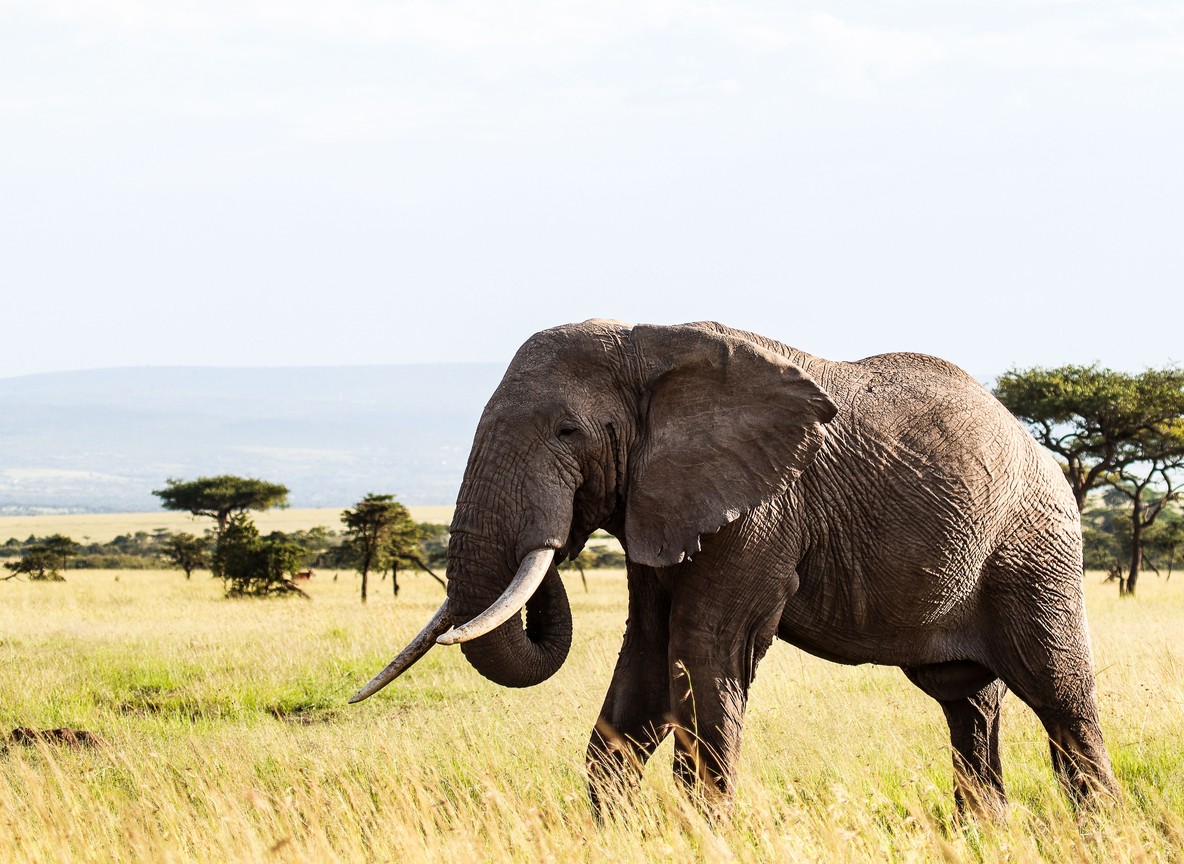
Amboseli is different. Its appeal is tied to landscape as much as wildlife: open plains, big elephant herds, and views toward Kilimanjaro when conditions align. This makes accommodation positioning and timing important. A shorter stay can still be worthwhile, but readers who want atmosphere as much as checklist sightings often benefit from slower planning here.
Rift Valley Lakes
Naivasha and Nakuru often work well as contrast destinations. They can break up a savanna-heavy itinerary, introduce lake scenery, boat activity, birdlife, and rhino viewing, and create a more varied route. In a custom itinerary they are usually strongest when used for contrast rather than overload.
Coast and Bush Combinations
For travelers combining safari with the Kenya coast, format matters. A beach-and-bush trip can feel rushed if it tries to do too much overland. It can also feel elegant and well-paced if the transitions are handled carefully. Custom design matters here because the combination only works when logistics are shaped around recovery time, not just around destination names. Readers planning that style of trip should continue to the Diani Beach safari planning guide.
How to Choose Between Mid-Range and Luxury
For most readers, the decision is not abstract. It comes down to what they care about enough to pay for.
Choose Mid-Range If
- wildlife access matters more than property prestige
- the trip includes several days and several parks
- private guiding is a higher priority than top-end accommodation
- comfort is important, but not at any cost
Choose Luxury If
- privacy and pace are central to the trip
- travelers want fewer rooms, quieter settings, and more tailored service
- a conservancy-based experience is part of the goal
- the trip is shorter and each night matters more
Choose a Hybrid If
This is often the smartest option. Some readers benefit most from a mixed structure: perhaps a strong mid-range lodge in one park and a boutique luxury camp in another. That lets travelers spend where it changes the experience most instead of applying one budget level mechanically across the whole trip.
Explorer Notes
- Small camps often change the feel of safari more than decorative luxury upgrades do.
- Fewer parks can create a stronger trip than a busier route.
- Conservancy access can matter as much as room quality.
- A private safari becomes more valuable when the itinerary itself is paced well.
- The best custom route is usually the one with the clearest priorities, not the longest park list.
Frequently Asked Questions
Are custom safaris always luxury?
No. A safari can be custom and still sit comfortably in the mid-range category.
Is mid-range safari in Kenya still comfortable?
Yes, often very much so. Good mid-range camps provide strong comfort without pushing into top-end pricing.
What makes luxury safari worth the extra cost?
Usually privacy, location, camp scale, service flexibility, and overall quiet rather than just décor.
Is it better to visit more parks or stay longer in fewer parks?
Often the second option. Better pacing usually improves the actual safari experience.
Can one itinerary combine mid-range and luxury stays?
Yes, and for many travelers that produces the best balance.
Conclusion
The most useful way to think about custom mid-range and luxury Kenya safaris is not as a prestige ladder, but as a planning framework. The core question is what kind of safari experience readers actually want to protect: more wildlife time, more privacy, more comfort, less fatigue, stronger photography conditions, or a cleaner balance between safari and coast.
Once those priorities are clear, the distinction between mid-range and luxury becomes easier to handle. The best custom safaris are rarely the ones with the longest brochure. They are the ones where route, accommodation, and pacing are aligned closely enough that the trip feels coherent from the first game drive to the last.
Turn this reading into a real itinerary with help from a Kenya-based safari team.
Start Planning Your Safari