Chyulu Hills safari hiking moves at a different pace from a typical Kenya game drive. You trade the crowds of Amboseli for quiet volcanic trails, cloud forest, lava caves and ridge views toward Kilimanjaro. Can you hike in Chyulu Hills? Yes. You usually need a guide or a ranger, and the route depends on whether you walk in Chyulu Hills National Park or on Maasai conservancy land. The success of the trip comes down to choices you can make in advance.
Your Chyulu Hills Safari Hiking Checklist
Work through these seven items before you book. They matter more than finding a single named trail.
- Set honest expectations for walking, not game-drive drama.
- Choose between KWS National Park routes and Maasai-led conservancy walks.
- Select trails, caves and viewpoints that match your interests and fitness.
- Match the season to trail conditions and visibility.
- Confirm guide requirements, route difficulty and safety protocols.
- Pack for volcanic ground, morning chill and cave darkness.
- Sort out access, camps and overnight arrangements.
1. Set Honest Expectations
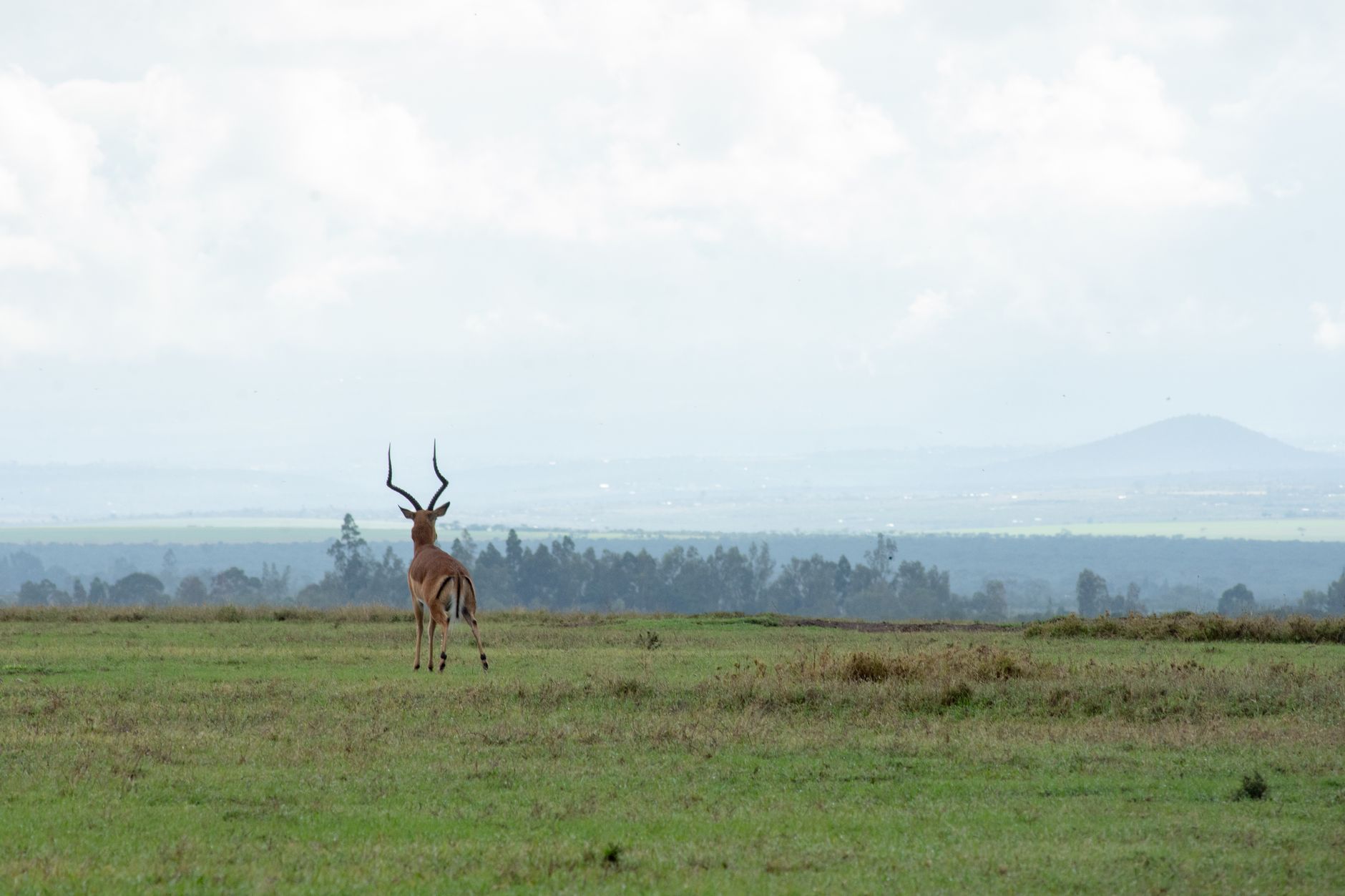
Chyulu Hills National Park sits between Amboseli and Tsavo West. From its ridges you can see Mount Kilimanjaro, the Amboseli plains and the wider Tsavo country. This is not a high-volume wildlife destination. Visitors may see zebra, giraffe, eland, buffalo, wildebeest and gazelles, with good birdlife in forest and grassland. Because you are walking, animals are usually seen at a distance or through dense vegetation. Treat Chyulu Hills wildlife as the bonus, not the promise. If your main goal is a leopard or rhino sighting, choose a different itinerary.
2. Choose Park or Conservancy Walking
The walking rules are not the same everywhere in Chyulu Hills.
- KWS park trips usually start from gates such as Kithasyo and follow ranger-led routes. Park fees and guide requirements apply.
- Maasai-owned group ranches such as Mbirikani and Kuku allow conservancy walks. These can be more flexible for long treks and fly camping.
- Private lodges often arrange walking from their own land and handle boundary permissions for you.
The hills also act as a water catchment for the dry plains below. Walks that start from Maasai conservancies put tourism income directly into local hands.
3. Chyulu Hills Hiking Trails, Caves and Viewpoints
Good Chyulu Hills hiking trails fall into four broad types.
- Ridge walks. These are the classic open-air routes for views toward Kilimanjaro and the plains.
- Cloud forest walks. Higher forest sections offer shade, cooler air and better birding.
- Cave routes. Kisula Caves and the Leviathan lava tube are the most distinctive underground sights. You need a headlamp and gloves.
- Multi-day fly camps. A tented camp moves with you as you walk through community or conservancy land.
If caves are on your list, confirm with the operator that the route is open and that your guide knows the exit points.
4. Best Time for Chyulu Hills Safari Hiking
The most reliable windows are June to October and January to February. Trails are drier, views are clearer and wildlife is easier to spot. March to May and November to December bring greener scenery and stronger birding, but rain can make roads and paths harder and can cloud the Kilimanjaro views.
For a smooth first visit, plan around the dry months and leave a spare day in your schedule for any weather delay.
5. Match the Difficulty to Your Fitness
Short guided walks are generally easy to moderate. Longer ridge walks and fly-camp days can feel demanding because of sustained uphill and downhill walking, loose gravel and rocky ground. You hike at elevations around 1,800 to 2,188 metres, so tired legs are normal.
There is no technical climbing requirement, but steady fitness and strong ankles matter. Ask the operator for planned distance, ascent, pace and what happens if someone cannot finish.
6. Plan Guided Hikes, Cave Safety and Communications
Hike with someone who knows this landscape. In the KWS park that usually means a ranger or an authorised guide. On conservancy land you will often walk with a Maasai guide or a professional walking guide. Before selecting a camp, review what to check in a certified Kenya safari guide. Independent walking is rarely allowed and is not a good idea.
If your route includes caves, take a real headlamp. Gloves protect your hands on sharp lava. Confirm cave exit points before you enter.
An armed escort may be part of the plan because buffalo and elephant live in the area. Ask whether the escort is included and why. On foot, follow the guide’s instructions and do not run if you meet large animals. Keep Kenya safari emergency contacts somewhere accessible.
7. Pack for Volcanic Ground and Cave Darkness
Start with a complete Kenya safari packing list, then add these extras.
- Grippy hiking shoes, not open sandals.
- Light layers for cool mornings and warm midday sun.
- Sun hat, sunscreen and a refillable water bottle.
- High-energy snacks and a small first-aid kit.
- Headlamp or torch, plus gloves for lava caves.
- Your identification and any park or conservancy permits.
8. Sort Access, Camps and Your Booking
Most visitors reach Chyulu Hills from Nairobi by road, driving through Kibwezi toward the park gates. Confirm the current route and drive time with your operator before you travel, since road conditions vary by season. If you are already in Tsavo West, access from that side avoids unnecessary backtracking. Some camps can arrange charter flights on request, so ask your operator about current airstrip options rather than assuming a fixed schedule.
KWS maintains public campsites inside the park. Confirm current names, fees and availability with KWS or your operator when you book. Conservancy lodges and fly camps such as Campi ya Kanzi and Ol Donyo offer walking-friendly bases, so check availability before finalising a route. Ask whether your package includes the guide, armed escort, meals, water, permits, cave equipment and transport. Also ask what happens if weather changes. If you plan to pair Chyulu Hills with Tsavo West, read about the benefits of using a private safari guide in Tsavo.
Next Step: Compare Walking Safari Packages
Your single next move is to compare operators that run walking safaris in this region. Look for a package that names the conservancy or camp, lists walking days, and states who leads each walk. Then confirm cave and fly-camp options. Start by browsing packages at FindMySafari or comparing operators at Valley Safaris. Ask one question early: How many walking days are included, and who walks with me?
More safari planning resources
- Kenya national parks map from SafariPure
- Kenya wildlife tours from Trunktrails Safaris
- Map of Tsavo from Valley Safaris
- Tsavo destination guide on FindMySafari