Can you shower on a bush flight? No, you cannot. The small aircraft used for safari transfers across Kenya do not carry showers, and most do not have a toilet either. If your itinerary links Nairobi with the Masai Mara, Samburu, or Ol Pejeta, that detail matters more than it sounds, especially on a long travel day. This guide covers what a Kenya bush flight is actually like, how long you will be in the air, and where you can wash up properly before and after you fly. That way you can plan the rest of your packing and timing around it.
Can You Shower on a Bush Flight?
No, you normally cannot shower or use a toilet on a Kenya bush flight. The small aircraft used for safari transfers generally have no shower and usually no lavatory, so use the restroom at the lodge, hotel, or airstrip before boarding. Most flights are short enough to manage comfortably.
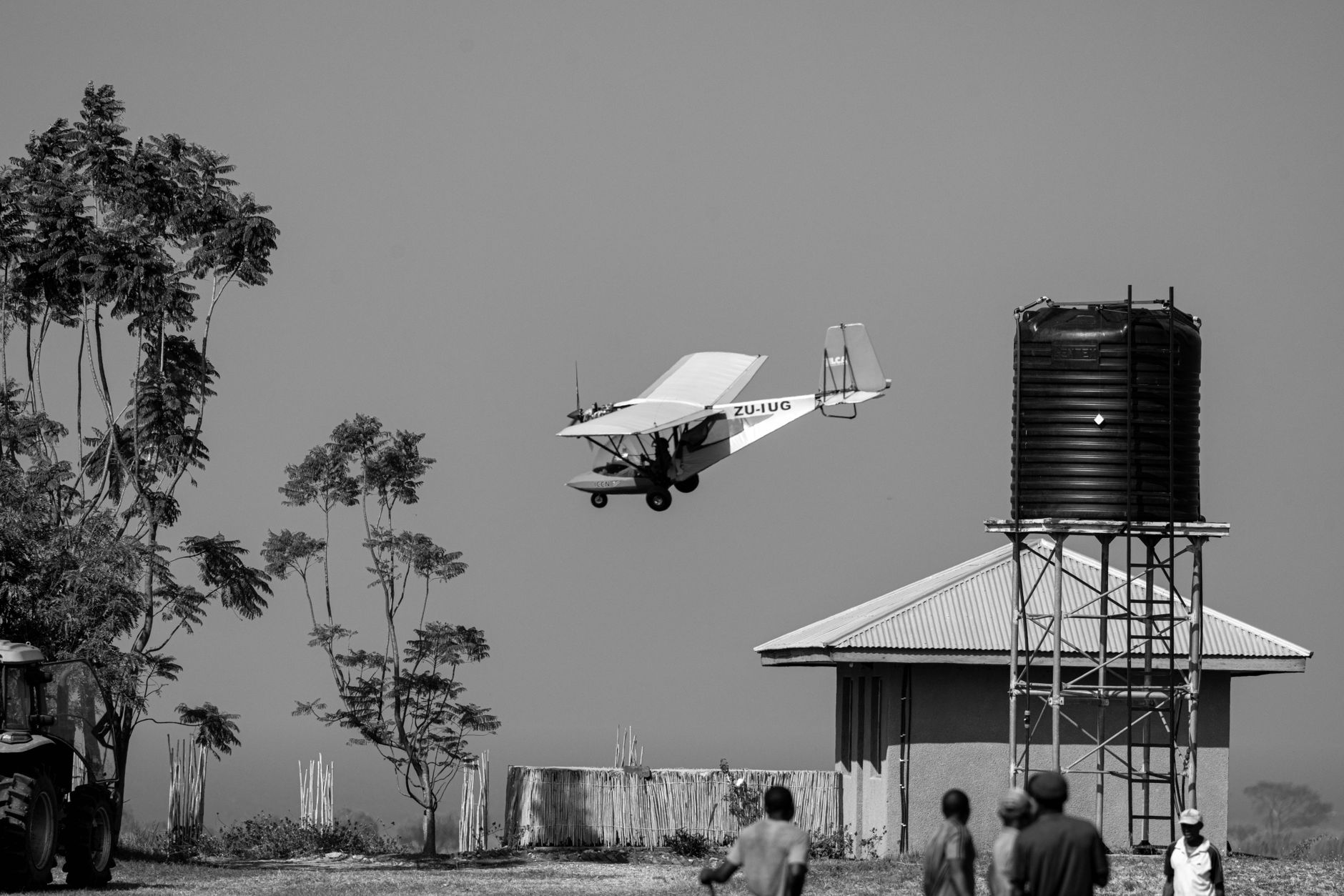
Operators flying routes between Nairobi’s Wilson Airport and the safari circuit use light aircraft, often a single engine Cessna Caravan or a similar turboprop. These planes are built for short regional hops carrying passengers and light cargo, not for comfort features found on a commercial jet. There is no water tank, no galley, and no cubicle. Ground staff at Wilson Airport and at camp airstrips are used to the question. Most will point you toward a bathroom before you board if you ask.
This is a fair trade for the alternative. Driving between parks such as the Masai Mara and Amboseli can take the better part of a day on rough roads. A bush flight covers the same ground in under two hours. Most travelers decide that a short flight without a bathroom is an easy compromise once they compare it with the road option.
What Facilities Are on a Kenya Safari Aircraft?
A Kenya safari aircraft typically has passenger seats, overhead or limited baggage storage, safety equipment, and sometimes sick bags, not a shower or full bathroom. Aircraft and layouts vary by operator, but travelers should plan for a basic short haul flight rather than an airline style cabin with onboard amenities.
Expect a single cabin with a row or two of seats, large windows for wildlife viewing on approach, and a simple safety briefing before takeoff. Some aircraft carry under fifteen passengers, others fewer, depending on the route and the number of stops. There is rarely a designated crew member beyond the pilot, so any request, including where to find a bathroom before departure, is best made on the ground. A bush flight toilet is rare enough that most itineraries do not mention one at all, which is exactly why it catches first time travelers off guard.
Noise is another factor worth knowing about. Propeller aircraft are louder than a jet cabin, and some operators hand out ear plugs or simple headsets before takeoff. Conversation over the engine noise is possible but not easy, so this is not the flight for a long catch up call or a nap you can count on. Pack any electronics, snacks, or medication you might want mid flight in a small bag you keep with you rather than in the hold.
How Long Are Bush Flights in Kenya?
Many Kenya bush flights take roughly thirty minutes to a few hours, depending on the route, aircraft, intermediate airstrips, and weather. A direct flight from Nairobi to a nearby safari region may be brief, while routes to Samburu, the Mara, or northern conservancies can include stops and multiple passenger drop offs.
Here is an indicative sense of flight times from Nairobi’s Wilson Airport, useful for planning how much bottled water or bathroom breaks you might need beforehand.
| Route from Nairobi | Indicative flight time* |
|---|---|
| Masai Mara | 45 minutes to 1 hour 15 minutes |
| Samburu | 1 hour to 1 hour 30 minutes |
| Amboseli | 30 to 45 minutes |
| Ol Pejeta or Nanyuki | 45 minutes to 1 hour |
| Tsavo | 45 minutes to 1 hour 15 minutes |
*Times are indicative only and vary by aircraft, number of scheduled stops, and weather conditions on the day.
Scheduled flights often act like a shared shuttle, landing at two or three airstrips to drop off and collect other travelers before reaching your camp. That can stretch a nominally short flight into a longer morning, so build in some flexibility rather than planning a tight connection straight after landing.
Where Can You Shower Before and After a Bush Flight?
The reliable places to shower are your Nairobi hotel, an airport lounge where available, your safari lodge, or a permanent tented camp, not the aircraft itself. Most lodges provide private bathrooms and showers, while some mobile or remote camps use bucket showers with water heated and delivered at an agreed time.
If your flight departs early, and many do, shower the night before or set your alarm with enough buffer to wash properly. This pairs with the wider pattern of early safari wake-up calls that most first time travelers underestimate. On arrival, camp staff usually show you to your room or tent first. A shower is normally within reach within minutes of landing, even if the airstrip transfer itself takes another twenty minutes or so by vehicle.
A Nairobi hotel the night before a morning flight is the simplest fix. Wilson Airport itself has limited passenger facilities. Treat it as a place to wait for your flight rather than somewhere to freshen up, and plan your last proper wash before you leave the hotel.
How Should You Prepare for a Bush Flight Without a Shower?
Shower before leaving, wear breathable layers, and keep deodorant, wipes, tissues, hand sanitiser, and a spare shirt in your hand luggage. Dress for changing temperatures rather than relying on a shower after landing, and avoid carrying bulky toiletries because bush flight baggage allowances are usually tightly limited.
Soft sided, unframed bags are standard on light aircraft. Weight limits are typically tighter than on a commercial flight, often cited by operators as around 15 kilograms per person including hand luggage. Ask your operator to confirm their exact policy before you pack, since limits vary. Beyond luggage, dress in layers you can add or remove: mornings at altitude can be cool even in the dry season, while midday sun on an open airstrip can be intense. A hat, sunglasses, and a light scarf handle dust kicked up by the propeller far better than any amount of washing after the fact. For a fuller rundown of what to bring, see this guide to what to pack for a safari, and check a full Kenya safari packing list before your trip so nothing important ends up in a bag you cannot carry on.
What Changes Between Lodges, Tented Camps, and Mobile Camps?
A luxury lodge or permanent tented camp usually offers an en suite shower, while a mobile camp may provide a bucket shower and a simpler wash area. Water availability can change with season, remoteness, and conservation rules, so confirm whether showers are hot, private, continuous, or scheduled before booking.
Lodges in and around the Masai Mara circuit generally run on borehole or piped water with standard plumbing. A hot shower is available on demand. Permanent tented camps, common across the Samburu region and around the Ol Pejeta conservancy, usually match that comfort even though the structure looks more rustic. Mobile camps, which move with the wildebeest migration or set up seasonally in remote conservancies, are a different experience. A safari camp shower there often means a canvas bucket bag filled with hot water and hoisted on request. Sometimes this runs on a schedule tied to when staff can heat water over a fire.
Many conservancies also apply their own water use guidelines to protect a limited supply, particularly in drier months. It is worth reading up on Kenya safari conservancy rules before you travel. Some camps ask guests to keep showers brief or to avoid running water outside set hours. None of this should put you off a mobile camp stay. It simply means setting expectations correctly, which matters more for comfort than the flight itself ever will. It is one more reason to weigh the cost of a Kenya safari against the comfort level you actually want.
Frequently Asked Questions
Can you shower on a bush flight?
No. Small safari aircraft in Kenya do not have showers, and they generally do not have toilets either. Use the facilities at your hotel, lodge, camp, or airstrip before boarding because bush flights are usually short.
Do bush planes have toilets?
Most bush planes used for Kenya safari transfers do not have toilets. Aircraft such as light Cessnas are configured for short regional flights, so passengers should use the restroom before departure and tell the ground or safari team if they need assistance before boarding.
How long are bush flights in Kenya?
Bush flights in Kenya can last from around 30 minutes to several hours, depending on the destination and whether the aircraft lands at other airstrips. Flights to nearby parks may be quick, while northern or multi-stop routes take longer.
Can you use the bathroom on a safari plane?
Usually not. Safari planes generally have no onboard bathroom, so use the toilet before boarding at the lodge, hotel, or airstrip. If an urgent need arises during a longer itinerary, the pilot or ground team can advise on the next safe landing point.
Are there showers at safari camps?
Most permanent lodges and tented camps provide private showers, but remote mobile camps may use scheduled bucket showers instead. Ask whether hot water is available all day or only at set times, especially during dry seasons or in water conscious conservancies.
Ready to Plan Your Kenya Safari?
Once you know what to expect from the flight and the camp, the rest of the planning gets easier. Compare safari operators and browse packages on sites like FindMySafari, Valley Safaris, or Trunktrails Safaris to find an itinerary that matches your route, budget, and comfort expectations. Whichever operator you choose, touringinsights.com is a good place to keep researching the details before you go.
Where Can You Find More Safari Planning Resources?
- Kenya safari packages from SafariPure
- Kenya wildlife tours from Trunktrails Safaris
- Map of Samburu from Valley Safaris
- Compare Kenya safari packages on FindMySafari