Kenya is a big country. A lodge in Laikipia is not the same as a mobile camp in the far north. For a traveller with a pacemaker, that difference can matter. The practical question is simple: can safari lodges accommodate pacemakers? For most travellers, the answer is yes, but safe planning takes more than a lodge brochure. It takes medical clearance, honest communication, and a few clear checks. This article gives you seven checks to work through before you pay a deposit.
Can Safari Lodges Accommodate Pacemakers Safely?
Most safari lodges can host guests with pacemakers, but personal medical clearance matters more than the lodge label. A pacemaker is not normally affected by ordinary lodge electricity, lighting, vehicles, or generators. Ask your cardiologist about your specific device, recent procedures, symptoms, and limits before travelling. Tell the operator in advance so the itinerary can be chosen around your needs.
Work through these seven checks for every property, even if the lodge looks comfortable online:
- Get cardiology clearance for the kind of trip you plan, including road conditions and heat.
- Know your device details. Write down the model, the settings, and any manufacturer warnings.
- Confirm how the lodge supplies power and how long it runs each day.
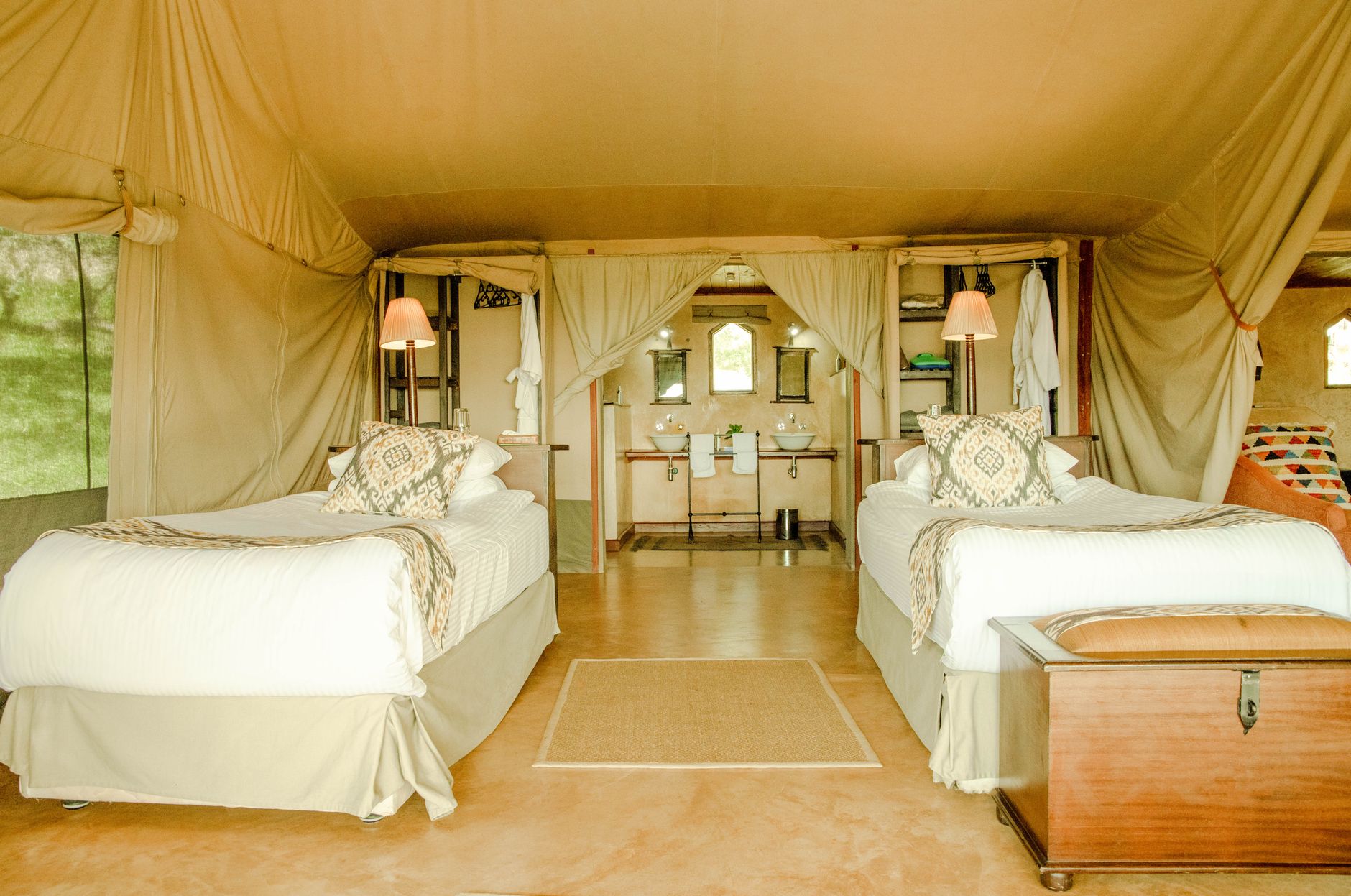
- Check the room. Is it on the ground floor? How far is it from the car and dining area?
- Plan vehicle comfort. Ask about step height, seat padding, and the chance of a rest day.
- Confirm the nearest medical facility and how the lodge would reach it after dark.
- Carry documents, medicines, and insurance that covers medical evacuation.
Check seven is the one people often skip. A pacemaker user who can walk well may still need a quick evacuation plan, especially in a remote camp. If you have an implantable cardioverter-defibrillator rather than a standard pacemaker, ask even more detailed questions about magnetic and electrical interference.
Established lodges and conservancy camps often make this easier. Properties around Ol Pejeta and Laikipia usually have permanent power and better roads. They also have shorter transfer times to towns with hospitals. If a slower pace appeals, read our Ol Pejeta safari for seniors to compare options.
Do Safari Lodges Have Electricity and Backup Power?
Pacemakers do not need mains electricity to operate. A lodge power outage is not usually a direct concern for the device itself. Electricity still matters for charging phones, medical communication, mobility equipment, or other devices. Permanent lodges and established tented camps generally offer more reliable power and backup generators. Remote mobile camps may have limited generator hours and weaker communications.
Most permanent lodges in Kenya use solar panels, batteries, and generators. During the day you can charge cameras and phones in the main area. Power in guest rooms may only run at certain hours, especially in tented camps. If you also use a CPAP machine, this matters more. The CPAP does need electricity.
Ask about the generator schedule before you book. Some camps run a generator from evening to early morning only. Others have solar power in the room all day. Neither choice is wrong for a pacemaker, but you need to know what to expect. If you carry a satellite messenger or a backup phone battery, confirm where you can charge it.
What Should You Ask a Lodge Before Booking?
Ask whether the room is ground-level and how far it is from dining areas. Also ask whether staff can assist during an emergency. Find out how the lodge communicates after dark and what backup transport is available. Confirm the nearest clinic or hospital, transfer arrangements, and mobile coverage. Also confirm the generator schedule. Ask whether the property can support a shorter game drive or a rest day.
Write your questions down. Do not rely on memory. Use the same list for every camp.
Ask for the lodge emergency plan in writing. A verbal promise that someone will drive you to a clinic is not enough. You want to know the nearest hospital by name and the usual transfer method. You also want to know how the lodge contacts help after dark. Ask whether staff are trained in first aid and whether there is a stocked first-aid kit on site.
Room location matters more than you might expect. A ground-floor room close to the dining tent can save energy and reduce risk after dark. Ask about steps, uneven paths, and whether staff can escort you to your room with a torch. Ask about meal times too. A long break between breakfast and dinner may not suit your medication routine.
Can Safari Vehicles and Long Game Drives Suit Pacemaker Users?
Many pacemaker users can enjoy standard game drives, but comfort and stamina should determine the schedule. Request a private or lightly shared vehicle if possible. Ask about easier access, frequent breaks, and shorter drives when needed. Rough tracks, heat, dehydration, and fatigue may be more relevant than the pacemaker itself. The operator should know how to reach medical help if symptoms occur.
Long game drives with a pacemaker are possible, but they should not be relentless. A six-hour morning drive, a hot lunch, and a four-hour afternoon drive can exhaust anyone. You may feel better with a lighter plan. Try a two-hour drive after breakfast, a rest at the lodge, and a short drive near sunset.
The vehicle itself rarely affects a pacemaker. Modern pacemakers are shielded, and normal 12-volt systems in safari vehicles are not a concern. The bigger issues are vibration, posture, and access to water. Ask for a vehicle with a low step or a side step. Request a seat that lets you stretch your legs. Carry water in the vehicle and plan stops in shaded areas.
If you have symptoms such as dizziness, chest pain, or shortness of breath, tell your doctor before travel. Tell your driver during the safari too. Do not wait until the end of the drive. Also think about itinerary pacing before you book. If you plan multiple parks, read how to pace a multi-park Kenya safari so you can avoid exhausting travel days.
How Far Are Kenyan Safari Lodges from Medical Care?
Medical access varies greatly across Kenya. Lodges near Nairobi, Nanyuki, and established tourism centres generally offer a more straightforward evacuation plan. Remote camps in the Mara, Tsavo, or northern Kenya are a different story. Before booking, ask for the nearest hospital or clinic and the estimated transfer method and time. Also ask about air-evacuation requirements and the lodge’s emergency contact procedure.
Kenya’s safari medical facilities range from clinic-level care to full hospitals. Nairobi has several good hospitals. Nanyuki and Naivasha have hospitals that can handle many emergencies. In the Masai Mara, Amboseli, Tsavo, and northern Kenya, the nearest full hospital may be hours away by road. Air evacuation may be the practical option in those areas.
Ask for the name of the nearest facility, not just a general answer. Ask whether there is a nearby airstrip. Inside the Mara, some camps sit near an airstrip, while others need a long drive. See our Masai Mara guide if you are comparing camps by location.
Use the table below as an indicative screening tool. Confirm every detail with the specific lodge before you pay.
| Region | Typical power | Medical access | Pacemaker fit |
|---|---|---|---|
| Nairobi area and Laikipia | Grid, solar, backup generator | Hospital care within a few hours by road | Good, with a medical plan |
| Masai Mara | Solar and generator at permanent lodges | Airstrip access; road transfers to Narok or Nairobi are long | Workable with an evacuation plan |
| Amboseli | Solar and generator at permanent lodges | Town clinics nearby; full hospital is a long road transfer | Manageable, choose a lodge near an airstrip |
| Samburu and northern Kenya | Solar and generator; remote camps may have limited hours | Very remote; air evacuation is the practical route | Only with strong insurance and clearance |
| Tsavo | Solar and generator at main lodges | Remote; road transfer to Voi or Mombasa is possible but long | Prefer a lodge near a main road or airstrip |
Season matters as well. Dry-season roads become dusty and corrugated. Green-season roads can turn to mud. Both affect comfort. A knowledgeable operator will suggest the best months for your needs, not just the best months for wildlife viewing.
What Should You Pack and Arrange Before a Kenya Safari?
Carry your pacemaker identification card, medication list, and cardiologist’s letter. Also carry travel-insurance details and enough medicines in hand luggage for delays. Keep emergency contacts and device information accessible. Protect medicines from heat. Also ask your cardiologist whether airport security, a recent procedure, or planned activities require special precautions. Share the information with your travelling companion and operator.
These pacemaker travel precautions are simple but easy to skip. Put a paper copy and a photo of every document on your phone. Keep the paper set in a small pouch you never leave in the room.
Airport security generally allows pacemakers through, but you should tell the officer before you walk through the scanner. Follow the manufacturer guidance for your specific device. If you had a recent procedure, include that information in your cardiologist letter.
Pack light layers, a wide-brimmed hat, a refillable water bottle, and comfortable shoes. Heat and dehydration can tire anyone, and they are more likely to cause symptoms than the pacemaker itself. If your doctor approves, carry oral rehydration salts for long drives.
Confirm your medical evacuation plan before you leave home. Air evacuation can be expensive, and not all travel policies cover it. Before you book, check what safari insurance covers, especially cardiac events and evacuation. Share the policy number and emergency line with your travelling companion and the lodge.
What Do People Ask About Safari Lodges and Pacemakers?
Can you go on safari with a pacemaker?
Yes, many people with pacemakers can go on safari after discussing the trip with their cardiologist. Choose an itinerary with suitable medical access, manageable driving times, and reliable communication. Plan rest periods rather than assuming every remote camp is equally appropriate.
Are safari lodges safe for people with pacemakers?
Most safari lodges are suitable for pacemaker users. Normal lodge electricity, solar systems, generators, and safari vehicles are not usually a problem. Safety depends more on the traveller’s medical condition and the remoteness of the property. It also depends on emergency arrangements, heat, hydration, and the length of game drives.
Can a pacemaker be affected by lodge electricity or generators?
Ordinary lodge electricity and backup generators are not normally expected to interfere with a pacemaker. Keep a safe distance from unusually strong electrical or magnetic equipment. Follow the instructions supplied for your specific device. Ask your cardiologist if you have a newer device, implanted defibrillator, or unusual medical circumstances.
Do safari lodges have emergency medical facilities?
Some lodges keep first-aid supplies and trained staff. Most are not hospitals, though, and may not have a cardiologist or advanced cardiac equipment on site. Confirm the nearest medical facility and the road or air-transfer plan. Also confirm communications coverage and insurance requirements before choosing a remote camp.
What should I tell a safari lodge about my pacemaker?
Tell the operator before paying a deposit. Include the device type if relevant, recent procedures, medication needs, mobility limits, and any symptoms or activity restrictions. Ask for written confirmation of emergency contacts, transfer arrangements, and room location. Also ask about vehicle flexibility and the nearest appropriate medical facility.
How Should You Choose Your Safari Operator?
The best operator for a pacemaker user is the one that treats medical planning as a normal part of the itinerary. A reputable company will ask about your health and recommend shorter drives. It will also confirm room access and share emergency procedures in writing. Compare those details side by side before you pay a deposit.
To compare safari operators and browse packages that fit your pace, look at FindMySafari, Valley Safaris, and Trunktrails Safaris. Ask each one the same questions about medical access, vehicle comfort, and evacuation. Your pacemaker should be part of the plan, not an afterthought.
Where Can You Find More Safari Planning Resources?
- Kenya safari packages from SafariPure
- Masai Mara Great Migration guide from Trunktrails Safaris
- Nairobi to Maasai Mara route guide from Valley Safaris
- Compare Kenya safari packages on FindMySafari