The question, “Is a Bwindi trek porter worth it?” comes up on almost every Bwindi planning call. My answer is usually yes, especially if you are an active retiree, traveling with camera gear, or unsure about mud and steep slopes. A porter costs about $20, yet it can save your knees, your energy and your confidence.
A porter is also an easy way to support the villages around Bwindi Impenetrable Forest. The fee goes directly into the local economy. The person who helps you up a muddy bank likely lives in a community near the park gate. That matters if you care where your safari money goes.
But is one really needed for everyone? No. The decision depends on fitness, weather, the trail, and your own limits. This post helps you decide before you reach the trailhead.
Is a Bwindi trek porter worth it?
For most visitors, especially retirees, hiring a porter is worth the roughly $15-$25 fee because the porter carries your daypack and can steady you on steep, muddy or slippery ground. A porter is not mandatory, but reducing shoulder strain and preserving energy can make the trek safer, calmer and more enjoyable.
Most fit hikers do not realize how much a small pack slows them down on a steep slope. Add rain, roots and altitude, and the difference grows. Bwindi trails can be slippery and longer than expected. Gorillas move. The ranger can point you toward a family that is easier to reach, but no one can promise flat ground. If you’re weighing Bwindi against Rwanda, our comparison of Bwindi versus Volcanoes trek difficulty breaks down how the terrain differs. On a hard day, a porter is not an extra. It is the difference between arriving tired and arriving alert.
What does a Bwindi trek porter do?
A Bwindi porter usually carries your backpack, water, snacks and camera equipment, then offers a supporting hand on difficult sections. Porters do not replace the ranger or guide, locate the gorillas independently, or guarantee an easier route. Their main value is carrying weight, improving balance and keeping essentials accessible.
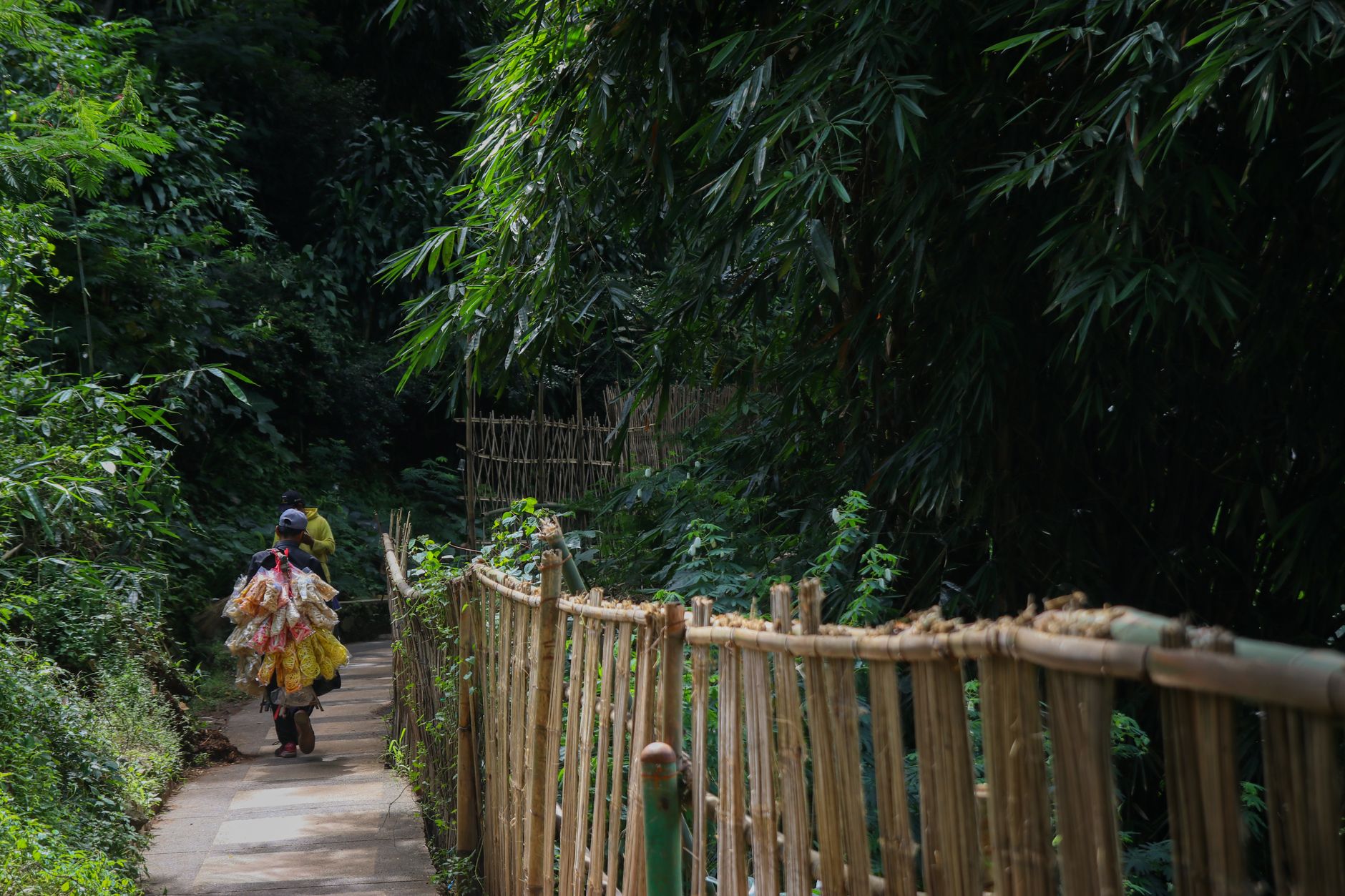
Most porters wait near the briefing point. They wear rubber boots and carry no equipment of their own. You hand over your daypack, and they walk with you into the forest. Some set a pace slightly behind you. Others stay close enough to offer an arm.
Before you set out, agree on what is in the bag. If you need your water bottle or camera often, ask the porter to stop when you want them. Keep the items you need instantly, such as medicine, in a small waist pack. For what goes in the main daypack, check the Bwindi gorilla trekking packing list.
Keep expectations clear. The porter is not a guide, does not choose the route, and cannot make a steep climb disappear. The help is physical.
How much does a porter cost in Bwindi?
Budget approximately $15-$25 for one Bwindi porter, depending on the operator, starting sector and arrangement, then add a tip if the service was helpful. Confirm the price before departure and carry small US-dollar notes or local currency. The fee is separate from the gorilla permit and safari package.
Use this table as a planning guide:
| Service | Typical fee to plan for | What it covers |
|---|---|---|
| No porter | $0 in cash, but one in energy | You carry all of your own gear, including water, rain layers, camera and snacks. |
| One porter | $15-$25 fee plus a tip of about $10-$20 if helpful | The porter carries your main daypack, keeps water or snacks accessible, and offers a steadying hand on steep or muddy ground. |
| Sedan chair team | Quote from the operator, usually well above a single porter fee | A team carries you over the route; arrange this before your trip if you have limited mobility. |
The four Bwindi sectors differ. In Buhoma, parts of the walk follow ridges with sections of mud. In Ruhija and Rushaga, the approach often climbs from the ranger station. At Nkuringo, the trail can descend deep into the valley, meaning a long climb on the way back. None of them is flat for long. In all four, the porter fee is modest compared with the energy it saves.
When should older travelers hire a porter?
Older travelers should strongly consider hiring a porter whenever they have concerns about balance, stamina, knees, shoulders or carrying a camera bag. The decision is especially sensible during wet weather, on an unfamiliar trail, or when the trek may last several hours. Hire one at the briefing rather than waiting until fatigue begins.
Some travelers in their 60s and 70s hike more than people half their age. Age alone is not the issue. But age can bring changes that matter on rough ground. Knees may ache on downhills. Shoulders may object to a heavy pack. Balance may be less certain. A porter takes those issues off the table.
Even a reasonably fit older traveler should hire one if you plan to carry a camera with a long lens, you dislike steep descents, or you have had any knee surgery. Rain should tilt the decision toward yes. Bwindi mud is not the dusty kind. It is slick clay that grabs boots. Travelers also weighing Rwanda can read about Volcanoes gorilla trek difficulty to compare which park sets an easier pace.
That said, a porter is not medical support. Talk to your doctor before booking a trek if you have heart, breathing or joint conditions. The trek can last less than one hour or more than five. Your own health matters more than any porter tip.
How do I hire and tip a porter at Bwindi?
Ask your lodge or guide to recommend a porter, or hire one at the ranger station after the morning briefing. Agree on the fee and expected duties before setting out, and confirm whether the porter will carry only your bag or also provide physical support. Tip directly at the end according to the service provided.
The night before, tell your lodge that you want a porter. Lodges often have relationships with local guides and can recommend someone reliable. If you prefer to choose on the spot, arrive at the briefing early. Porters gather near the ranger station, and you can select someone who seems strong and patient. Point to your daypack and say clearly that you need help.
Carry small notes so you can pay at the end. Hand the tip directly to the porter with a clear thank you. The tip shows that you valued the work, especially if the trail turned out harder than expected.
What about sedan chair support for Bwindi gorilla trekking?
A standard porter can carry gear and provide balance, but travelers with significant mobility limitations may need a sedan-chair team arranged in advance. This is a different and much more expensive service, often requiring several porters. Discuss medical needs with the operator before arrival because ordinary same-day porter hiring may not be sufficient.
Sedan-chair support is not the same as hiring one porter. It uses a small team and a chair. The team lifts you over rough sections or carries you for the whole route. This is valuable for travelers with serious knee, hip or stamina problems.
Book this at the planning stage and discuss it with your operator. Same-day requests often fail because the team needs time to assemble. It also costs more than a single porter. A porter can steady you, but cannot safely get you up a steep bank if you cannot step up under your own power.
What do travelers often ask about a Bwindi trek porter?
Travelers most often ask whether a porter is worth the cost, how much one charges, what the job actually covers, whether hiring one is required, and whether a porter can help an elderly trekker manage the trail. Direct answers to each follow below.
Is it worth hiring a porter for gorilla trekking?
Yes, it is usually worth hiring a porter, even if you are reasonably fit. A porter carries your daypack and can help you keep your balance on steep or muddy sections. The fee also gives direct income to people living near Bwindi.
How much does a porter cost in Bwindi?
A Bwindi porter commonly costs about $15-$25 per trek. Tips are additional and should reflect the help provided. Confirm the price before the trek begins.
What does a porter do on a gorilla trek?
A porter carries items such as your backpack, water, snacks and camera equipment. They may also offer a hand on slippery or steep ground, but they are not a substitute for the ranger or trekking guide.
Do I need a porter for Bwindi gorilla trekking?
No, a porter is optional, and some fit travelers manage without one. Bwindi trails can be steep, muddy and physically demanding, while trek duration and gorilla location are unpredictable. Carrying less weight is especially useful for older travelers or anyone concerned about balance.
Can porters help elderly people on a gorilla trek?
Porters can carry a bag and provide limited physical support, which may help elderly travelers manage ordinary trail difficulties. Travelers with major mobility limitations should arrange a sedan-chair team in advance instead of relying on a standard porter. A medical and fitness assessment is wise before booking.
How do I compare Bwindi trek packages?
Compare Bwindi trek packages by looking at the full itinerary, not just the headline price. Check whether the operator prearranges your porter, reminds you about tipping, and gives you honest advice on which sector suits your fitness, since those details matter more than a small difference in cost.
Browse Bwindi trek packages at Valley Safaris and Trunktrails Safaris, or use FindMySafari to compare operators side by side. A good operator will prearrange your porter, remind you about tips, and give you honest advice about which Bwindi sector suits your fitness.
Where can I find more safari planning resources?
These partner sites cover broader Kenya and Uganda safari planning, from park fees to seasonal timing, if you want to research beyond Bwindi.
- Kenya safari packages from SafariPure
- Best time to visit Kenya from Trunktrails Safaris
- Kenya tour packages from Valley Safaris
- Compare Kenya safari packages on FindMySafari