If you are planning a first safari from Lithuania, the Big Five is likely at the top of your list. Lion, leopard, elephant, buffalo, and rhino have carried this famous name for over a century. Kenya is one of the best places on earth to see all five in the wild. This big five safari guide for Lithuanian speakers covers each animal, the best parks and conservancies, and honest seasonal advice. It also covers the practical details that matter when traveling from Vilnius or Kaunas: flights, visas, and budgeting in euros.
What Does This Big Five Safari Guide for Lithuanian Speakers Cover?
This big five safari guide for Lithuanian speakers walks through each Big Five animal and the parks where you are most likely to see it. It also covers the seasonal trade-offs that change your odds. It also covers flights from Lithuania, the eTA process, and typical costs in euros. The comparison table below shows how the main parks stack up before you read the details.
What Are the Big Five Animals in Kenya?
The Big Five are the African lion, African leopard, African bush elephant, Cape buffalo, and both the black and white rhinoceros. Big-game hunters coined the term in the 1800s for the five most dangerous animals to hunt on foot, not the largest or the rarest. Today the name is a wildlife-viewing checklist, and spotting all five on one trip is a genuine achievement.
Each animal differs in difficulty. Lions are social and easy to find. Leopards are secretive and can take days to spot. Rhinos are hardest, since their numbers are small and they prefer dense bush.
Why Are They Called the Big Five?
The name has nothing to do with size. It marked the five most difficult animals to hunt on foot in Africa. A wounded buffalo is unpredictable, a lion charge is fast, and leopards vanish into cover. Elephants can circle back on a hunter, and rhinos have poor eyesight but a powerful charge.
Modern safaris have rewritten the meaning. Instead of a hunting trophy list, the Big Five is now a sighting checklist for photographers and wildlife lovers. Parks use the name to attract visitors, and the tourism revenue funds guards, fencing, and community programs that protect these animals.
Where Is the Best Place to See the Big Five in Kenya?
No single park guarantees all five in one day, but some destinations come close. The Masai Mara is the most reliable for lion and leopard, with strong buffalo and elephant populations. Rhinos are the weak point there, with fewer than a hundred in the greater Mara ecosystem.
Ol Pejeta Conservancy in Laikipia is the standout for rhinos. It holds the largest black rhino population in East and Central Africa. It has also cared for the world’s last known northern white rhinos, a population that has stood at just two individuals in recent years. Rhino numbers change with age and health, so confirm the current count with your operator before you travel. You will also see lion, elephant, buffalo, and leopard at Ol Pejeta, though leopard is shy.
Lewa Wildlife Conservancy, also in Laikipia, is another superb option. It is a UNESCO World Heritage site with strong rhino numbers, healthy predator populations, and open landscapes that make wildlife easier to spot.
If you want quieter viewing away from the busy central Mara, consider the Mara Naboisho and Olare Motorogi conservancies. These private lands border the Masai Mara National Reserve and share its wildlife. They cap vehicle numbers at any sighting, so you avoid the crowds that gather around a lion kill inside the reserve.
For a detailed look at the main reserve, read our Masai Mara travel guide. It covers the Mara ecosystem, the camps, and the choice between reserve and conservancy.
Here is a quick comparison of where each animal is most reliable:
| Park or Conservancy | Lion | Leopard | Elephant | Buffalo | Rhino | Best For |
|---|---|---|---|---|---|---|
| Masai Mara | High | High | High | High | Low | Predators, the migration |
| Ol Pejeta | High | Medium | High | High | High | Rhino sanctuary, single-day Big Five |
| Lewa Wildlife Conservancy | Medium | Medium | Medium | Medium | High | Rhino, open landscapes |
| Amboseli | Medium | Low | High | Medium | Not present | Elephants, Kilimanjaro views |
| Samburu | Medium | High | Medium | Medium | Not present | Leopard, dry-country species |
| Lake Nakuru | Low | Low | Low | Medium | Medium | Rhino, birdlife |
What Wildlife Lives in the Key Big Five Parks?
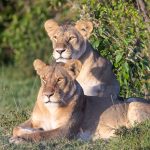
Lions thrive across the Mara, Amboseli, Tsavo, and the Laikipia conservancies. The Mara is famous for the Marsh Pride and the river crossings during the Great Migration, but sightings are good year-round.
Leopards are the master of camouflage. The Mara’s riverine forests and rocky outcrops give them cover, and guides there know their territories. Samburu is also excellent for leopard.
Elephants are the easiest of the Big Five to find. Amboseli has one of the most studied elephant populations on earth. Tsavo holds the largest elephant population in Kenya, and its red dust often stains these elephants a striking red-brown color.
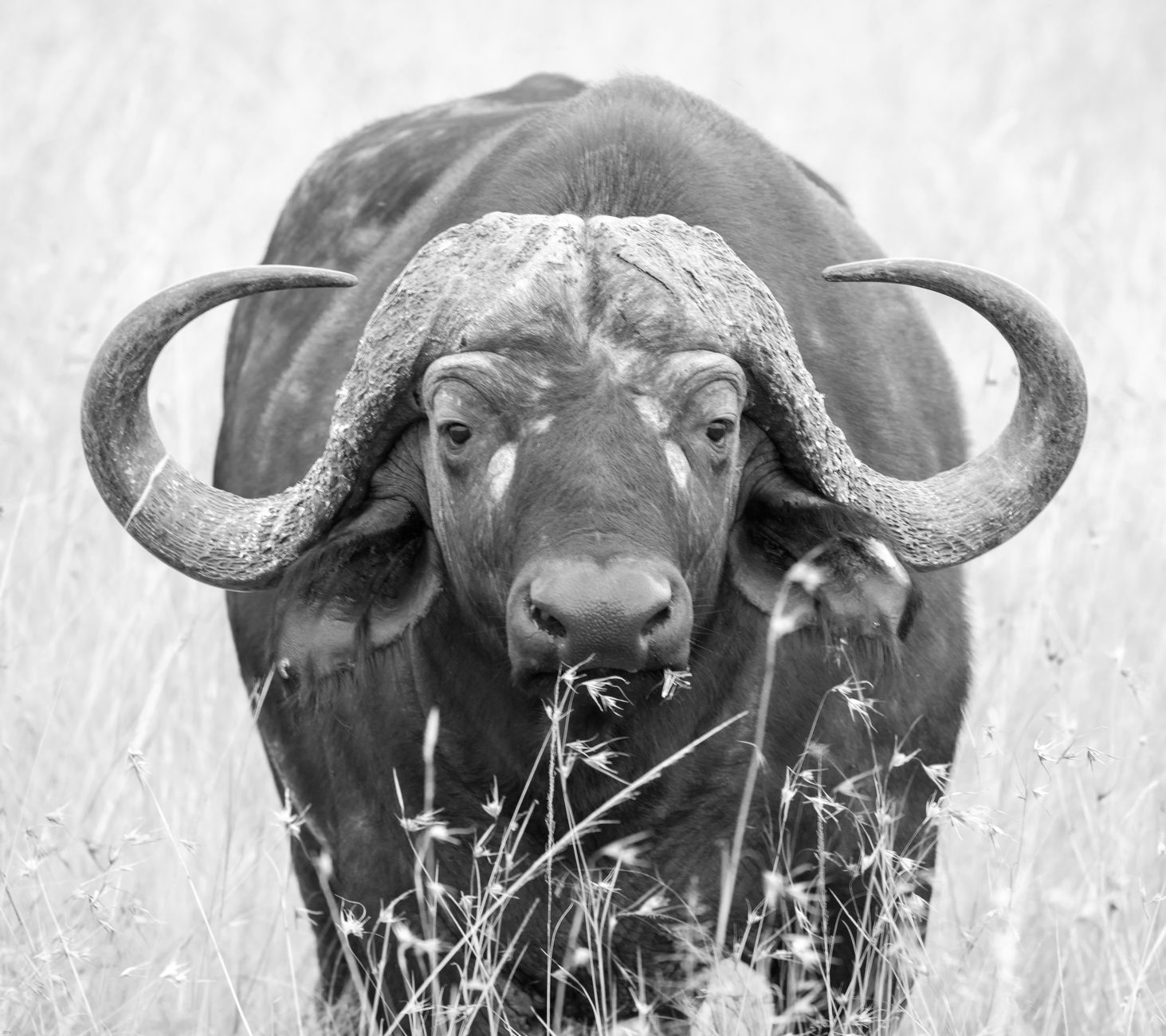
Buffalo gather in large herds in the Mara, graze the swamps of Amboseli, and roam the plains of Laikipia. They look placid but are responsible for more hunter deaths in Africa than any other animal, so keep your distance.
Rhinos are the rarest. Ol Pejeta and Lewa offer the best chance, with well-protected populations of both black and white rhino. Lake Nakuru National Park also hosts rhinos, but the population has fluctuated and the park has suffered from flooding and bush encroachment in recent years.
For more detail on specific parks, see our Amboseli safari guide, Samburu safari guide, and Lake Nakuru guide.
Can You See All Big Five Animals in One Trip?
Yes, but you need the right itinerary. A classic route combines the Masai Mara with a Laikipia conservancy. Spend three nights in Ol Pejeta or Lewa for rhinos, elephants, and buffalo, then three nights in the Mara for lions and leopards. This two-destination trip is the most reliable way to see all five.
A single park like Ol Pejeta can deliver all five in a day, but you need luck on your side for the leopard. A seven-night trip with two destinations is a far safer bet than a three-night stay in one park.
How many days do you need? A week is the practical minimum, giving you travel days, enough game drives to cover the animals, and a buffer for a missed sighting.
What Is the Best Time of Year to See the Big Five in Kenya?
Generic guides say June to October, and that is not wrong, but it misses the trade-offs. The dry season from late June to October concentrates wildlife around water and the short grass makes animals easier to spot. This is the classic high season, and prices reflect it.
The wet season from November to May has its own rewards. The landscape is lush and green, and migratory birds from Europe are present, a delight for Lithuanian birders. Camps also offer lower rates. But long grass can hide lions and leopards, and some Mara roads become muddy after rain.
The best compromise is the shoulder season, January to February. The short rains have ended, the grass is still low, and calving season brings plenty of prey and active predators. This window offers good viewing with fewer tourists and moderate prices.
Ol Pejeta and Lewa are less seasonal than the Mara, since their water sources are reliable and game viewing holds up year-round.
For a full seasonal breakdown, read our guide to the best time to visit Kenya.
Does the Great Migration Affect Big Five Sightings?
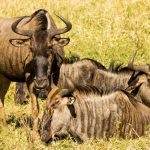
Yes, and in ways that matter. The Great Migration brings over a million wildebeest and hundreds of thousands of zebra into the Masai Mara from July to October. The sheer numbers attract lions, which feast on calves and weakened adults, so predator activity and lion sightings peak in the Mara during this period.
Leopard sightings also improve because prey is abundant. Elephant and buffalo are resident and do not follow the migration. Rhinos do not migrate either, and the Mara’s rhino population is too small to count on. Combine the Mara with Laikipia if rhino is your priority.
The downside of migration season is the crowds. Vehicle congestion at river crossings is real, and camps fill up months in advance. If you book for July to October, reserve early and choose a conservancy, not a reserve camp, for a quieter experience.
Is a Big Five Safari in Kenya Safe?
Yes, when you follow the rules. Wildlife is wild, and the Big Five earned their name because they can be dangerous, but fatal incidents involving safari vehicles are extremely rare. The risk is manageable if you stay inside your vehicle, keep voices low, and follow your guide’s instructions.
Health and safety in Kenya also involve the usual travel care: drink bottled water, use insect repellent, and take malaria prophylaxis as your doctor advises. Professional guides are trained in wildlife behavior, and the conservancies have solid safety records.
For a full packing and health checklist, see our Kenya safari planning guide.
How Do Lithuanian Citizens Plan the Trip?
No airline flies direct from Vilnius or Kaunas to Nairobi. Turkish Airlines connects through Istanbul, and Qatar Airways and Emirates offer a stop in Doha or Dubai. Flight time is roughly nine to eleven hours with one stop.
Visa rules changed recently. Kenya replaced the electronic visa with the eTA, the Electronic Travel Authorization, and Lithuanian citizens must apply online before departure. Apply at least a week ahead, and carry a passport valid for six months beyond your entry date.
Budget in euros, not dollars, since Kenya’s shilling exchange rate fluctuates. A safari package from a reputable operator typically costs between 200 and 500 euros per person per night, depending on the camp grade and season. This usually covers accommodation, meals, game drives, and park fees, while flights, tips, and souvenirs are extra. For a detailed breakdown, see our Kenya safari cost guide.
A sample seven-night itinerary looks like this. Spend three nights at Ol Pejeta for rhinos and the Big Five. Then add four nights in a Mara conservancy for lions, leopards, and the migration.
Which Big Five Animal Is the Hardest to See?
The rhino, by a clear margin. Kenya has roughly 1,000 black rhinos and about 900 southern white rhinos. These live in heavily protected sanctuaries whose locations are not always publicized because of poaching risk.
Ol Pejeta is the best single destination. Its black rhino population is the largest in East and Central Africa, and the conservancy’s open grasslands make sightings more likely than in dense bush. Lewa is the second strong option. Both invest heavily in anti-poaching patrols, tracking, and veterinary care, so your visit directly funds rhino protection.
If you want to learn more about rhino conservation, read our Ol Pejeta Conservancy guide.
How Can You Compare Safari Operators and Browse Packages?
A Big Five safari is a significant investment, so compare operators before you commit. Different companies offer different routes, camp grades, and prices for the same parks. The right operator for you depends on your priorities: rhino conservation, migration crossings, or quiet luxury.
You can compare safari operators and browse packages through FindMySafari, Valley Safaris, or Trunktrails Safaris. They list vetted tours across Kenya, so you can review options side by side and find the itinerary that fits your dates and budget.
Where Can You Find More Safari Planning Resources?
- Ol Pejeta Conservancy guide from Trunktrails Safaris
- Ol Pejeta and Sweetwaters safari package from Valley Safaris
- Big Five safari collection on FindMySafari
More safari planning resources
- Masai Mara Big Five safari from SafariPure
- Ol Pejeta Conservancy guide from Trunktrails Safaris
- Ol Pejeta and Sweetwaters safari package from Valley Safaris
- Big Five safari collection on FindMySafari
Related guides: 3-Day Safari from Diani Beach: Amboseli or Tsavo?, Aberdare National Park Safari: Tree Hotels, Highland Wildlife and What to Expect, Akagera National Park: How 70 Rescued Rhinos Are Rewilding Rwanda’s Big Five.