Planning a safari from Morocco or Algeria takes more than picking a date. You want clear answers on weather, wildlife, crowds, and the practical steps to get there. This guide focuses on the best time to visit Kenya for Tamazight speakers, with honest advice on dry and wet seasons plus travel logistics from North Africa.
Kenya runs on two main seasons: dry and wet. The dry months from June to October offer the easiest wildlife viewing. The wet months from November to May bring green landscapes, fewer tourists, and lower prices. Neither is wrong. It depends on what you want from your trip.
What Is the Best Time to Visit Kenya for Tamazight Speakers?
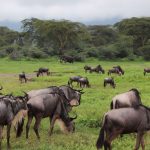
For first time safari planners, the best window is from late June through October. Wildlife gathers around water sources, grass is short, and animals are easier to spot. July through September is the peak season for the wildebeest migration in the Masai Mara.
If you prefer quieter parks and lower rates, consider January and February. These months fall in the short dry spell. The weather is hot but dry, and you still get good game viewing.
The long rains arrive in April and May. Many camps close, and some park roads become muddy. If your dates are flexible, avoid these two months unless you are on a strict budget or enjoy lush scenery and solitude.
What Is the Dry Season Like From June to October?
The dry season is Kenya’s high season for a reason. Skies are clear, rain is rare, and wildlife concentrates around rivers and waterholes. In the Masai Mara, the grass drops to a level where predators are visible. This is also when the great migration typically crosses the Mara River from Tanzania.
Temperatures vary by altitude. Nairobi sits high, so mornings can be cool. In the Mara, daytime highs stay around 25 to 28 degrees Celsius. Nights drop to about 14 degrees. Pack layers.
Crowds peak in August. Lodge rates are highest then. If you want near perfect conditions with fewer vehicles, aim for late June or September.
What Are the Trade Offs of the Wet or Green Season From November to May?
The wet season splits into two parts. The short rains run from November to December. The long rains run from April to May.
During the short rains, the landscapes turn green and migratory birds arrive from Europe. Many newborn animals appear. The rain comes in bursts, often in the afternoon. Morning game drives are usually dry.
The long rains from April to May are heavier. Some remote camps close entirely. Roads in parks like Tsavo become slippery. But you get exclusivity. Prices drop, and you might have a watering hole to yourself.
For Tamazight speakers, the green season lines up well with North African school holidays in spring. Just check the exact dates for Ramadan, which shift each year and can affect travel plans.
When Does the Wildebeest Migration Reach the Masai Mara?
The wildebeest migration is not a single event. It is a constant movement of herds across the Serengeti and the Masai Mara. The herds usually enter the Mara from Tanzania around July. The dramatic river crossings happen between July and October. August is the most reliable month for river crossings.
By November, most herds move back south. If you want to see the migration without huge crowds, go in late October or November. You may miss the big river crossings, but you will still see large herds and predators.
For a deeper look at the migration and park timing, read our best time to visit Masai Mara guide.
What Is the Best Time by Park?
Kenya’s parks differ in altitude, rainfall, and wildlife density. A month that is perfect for one park may be poor for another.
Masai Mara
June to October is the clear winner. The migration is present, and the grass is low. December and January also work well for resident wildlife, especially cats.
Amboseli
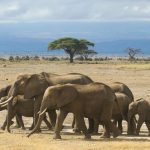
Amboseli sits below Kilimanjaro. It offers good elephant viewing all year. The dry months from June to October are best because the swamps stay strong and animals gather. In the wet season, the grassy plains hold more water, and elephants spread out. See our Amboseli safari guide for details.
Samburu
Samburu is a dry, northern park. It is excellent in the dry season. June to October is reliable. The Ewaso Ng’iro River keeps animals close. In the wet season, wildlife spreads farther from the river. Use our Samburu safari guide to plan.
Tsavo
Tsavo is vast and less crowded. The dry season from June to September is best for game drives. The long rains in April and May make some areas impassable. For the full picture, check the Tsavo safari guide.
Lake Nakuru
Lake Nakuru is known for flamingos and rhinos. The lake level changes over the years, which affects flamingo numbers. The dry season is good for rhino viewing because vegetation thins out. Our Lake Nakuru guide has more specifics.
How Do Crowds and Pricing Change by Season?
Peak season runs from July to October and again from mid December to early January. Lodges fill fast. You should book three to six months ahead, sometimes more for August.
Shoulder seasons are June and November. Good weather, fewer people, and lower rates.
Low season is April and May. Many lodges typically lower rates, often by a rough range of 20 to 40 percent, though the exact discount varies by property. Some close entirely. You can still do a safari in less remote parks like Amboseli or Tsavo. Just expect rain.
For realistic cost planning, read our Kenya safari cost guide. It breaks down budgets without invented numbers.
How Many Days Do You Need for a Kenya Safari?
A standard safari runs seven to ten days. That gives you two or three parks without rushing. If you only have five days, pick one park and stay put. The Masai Mara alone can fill five days comfortably.
If you are traveling from Morocco or Algeria, consider travel days. Flights from Casablanca or Algiers to Nairobi require at least one connection, so budget close to a full day of travel each way. Add a night in Nairobi before heading to the parks. That makes a ten day trip feel comfortable.
What Do Tamazight Speakers Need to Know About Flights and Visas?
There are no direct flights from Casablanca, Algiers, or other North African hubs to Nairobi as of this writing. Most travelers fly through Dubai, Doha, Istanbul, or Addis Ababa. Qatar Airways connects well through Doha. Turkish Airlines offers a route through Istanbul. Ethiopian Airlines connects through Addis Ababa.
Kenya uses an electronic travel authorization, or eTA. It replaced the visa for many nationalities. Moroccan and Algerian passport holders must apply online before travel. The process is straightforward but takes a few days. Apply at least two weeks before departure. The official site is the only place to apply. Do not use third party agents.
Check current entry rules with the Kenyan embassy because policies change. Carry a printed copy of the eTA approval with you.
Is French Spoken at Kenyan Safari Lodges?
Yes, many lodges have French speaking guides. Kenya’s tourism industry hosts visitors from Francophone Africa and Europe. A phrase in French or Tamazight gets a warm welcome. But do not rely on it in remote areas. Learn a few English words for parks and animals. Most guides speak excellent English, and some speak French as a second language.
If you want a guide who speaks French, request one when you book. Operators can arrange this if they know in advance. For planning help in other languages, see our guides for French speakers and Tamil speakers.
What Should You Pack for a Kenya Safari?
Pack light layers. Mornings in the parks are cool, even in dry season. Afternoons are hot. For June to October, bring a light fleece for dawn game drives.
Safari colors are dull greens, khakis, and browns. Avoid bright colors and white. They stand out to wildlife.
Binoculars are essential. A basic pair works. You do not need a huge camera lens, but a 200mm lens helps.
Sunscreen, insect repellent, and a hat are non negotiable. In the wet season, pack a light rain jacket. In dry season, dust is your biggest enemy. Protect cameras in a sealed bag.
For a complete checklist, use our Kenya safari packing list.
What Is the Coldest Month in Kenya?
For Nairobi and the highlands, July and August are the coldest months. Daytime temperatures reach about 20 degrees Celsius. Nights fall to around 10 degrees. The coast, including Mombasa, stays warm all year, above 28 degrees.
If you come from a hot climate, the cool highland mornings can be a surprise. Bring a sweater even for a July safari.
Is Kenya Safe to Visit Right Now?
Kenya is generally safe for tourists who follow normal precautions. Parks are well managed. Nairobi has safe areas and areas to avoid, especially at night. Your operator will handle transfers. Stay in known hotels and use registered taxis.
The border regions, especially near Somalia, have travel advisories. Safari parks are far from those areas. Check your government’s travel advisory before booking, but know that the classic circuit of Masai Mara, Amboseli, and Samburu is a well trodden path.
How Do North African School Holidays and Ramadan Affect Timing?
If you travel with children, align your safari with Moroccan or Algerian school breaks. The main breaks cluster around October, late December, and spring. These months line up reasonably with Kenya’s dry or shoulder seasons.
Ramadan shifts about ten days earlier each year. During the holy month, North African families often avoid long travel. Safari lodges in Kenya see fewer guests from the region then. This can be an advantage if you want privacy. Just plan meals and prayers with your operator in advance. Most lodges are happy to accommodate.
What Does a Season by Season Comparison Table Look Like?
Here is a simple breakdown of the seasons and what they mean for you.
| Season | Months | Wildlife Viewing | Crowds | Price | Best For |
|---|---|---|---|---|---|
| Peak dry | July to October | Excellent, migration in Mara | High | Highest | First safari, big cats, river crossings |
| Shoulder dry | January to February | Very good, dry weather | Moderate | Moderate | Calving season, fewer crowds |
| Short rains | November to December | Good, green landscapes | Low | Moderate | Birding, newborn animals |
| Long rains | April to May | Fair, roads wet | Very low | Lowest | Budget travel, solitude |
| Green shoulder | June, late October | Good to excellent | Low to moderate | Moderate | Balance of weather and cost |
Prices in the table are relative. Actual rates vary by lodge. Some luxury camps cost several hundred US dollars per night. Budget camps start much lower. The table gives you a planning frame, not a price list.
Where Can You Compare Operators and Browse Packages?
You now have the core facts to choose your season. The next step is comparing safaris from trusted operators. For independent comparisons, visit FindMySafari to filter packages by park, season, and budget. You can also browse curated options at Valley Safaris or Trunktrails Safaris. These platforms list vetted operators so you can compare itineraries side by side without a sales pitch.
Pick your dates, pack your layers, and get ready for a memorable Kenya safari.
Where Can You Find More Safari Planning Resources?
- Best time to visit Kenya from Trunktrails Safaris
- Best time to visit Kenya month-by-month map from Valley Safaris
- Great Migration safari collection on FindMySafari
- Masai Mara Great Migration guide from Trunktrails Safaris