If you are reading this from Addis Ababa or another Ethiopian city, the flight to Nairobi is short and the landscape feels familiar in places. Still, the timing of a Kenya safari comes down to wildlife, weather, and crowds. The best time to visit Kenya for Amharic speakers depends on what you want to see and how much rain, dust, and company you can handle.
Kenya has two dry seasons and two wet seasons. The dry months from late June to October and from January to February offer the clearest game viewing. The wet months from March to May and from November to December are greener, quieter, and cheaper. This guide breaks down the months, the parks, and the logistics that matter when traveling from Ethiopia.
What Is the Weather Like in Kenya Compared to Ethiopia?
Kenya sits on the equator, so temperatures stay mild year-round. Nairobi sits at 1,795 meters, close to the altitude of Addis Ababa at 2,355 meters, so both avoid the extreme heat found in lowland areas. Nights in Nairobi can drop to around 12°C even in the dry season, while days reach about 25°C.
The biggest difference is rain. Addis Ababa has one long rainy season from June to September. Kenya has two shorter ones instead: long rains from March through May, and short rains in November and December. For Amharic speakers used to a single wet window, this split pattern takes some getting used to.
Highland parks like the Masai Mara and Ol Pejeta stay cool. Lowland parks like Amboseli and Tsavo get hotter, especially in January and February, so pack layers for morning game drives.
When Is the Dry Season in Kenya?
The dry season runs from late June to October and again from January to February. These months bring little rain and thin grass, so animals gather around permanent water and are easier to spot, and roads stay firm.
July through October is peak season for the Great Wildebeest Migration in the Masai Mara. August is the busiest month, when camps fill up and prices run higher. For the migration without the heaviest crowds, try late June or September.
January and February, the short dry season, bring low grass, warm weather, and quieter parks, a good balance of strong viewing and fewer tourists.
What Is the Great Wildebeest Migration and When Does It Reach Kenya?
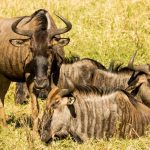
The Great Wildebeest Migration is a continuous movement of roughly 1.5 million wildebeest, zebras, and gazelles across the Serengeti in Tanzania and the Masai Mara in Kenya. The exact timing shifts each year with the rains, but in most years the herds cross the Mara River from Tanzania into Kenya between late July and October.
The river crossings, the famous highlight, happen most often in August and September. You can still see large herds from July through October even if you miss a dramatic crossing. In November, the herds start moving south back into the Serengeti.
If you are flexible, consider late September or early October, when crowds thin out but herds are still spread across the Mara’s grasslands. For the highest chance of a river crossing, plan for mid-August, but expect busy lodges and full vehicles.
What Are the Best Months for a Kenya Safari?
For first-time planners, June, July, September, and February are strong choices, offering firm roads, clear skies, and active wildlife without August’s prices or crowds.
June marks the start of the dry season, with tall grass drying fast and animals clustering in the Masai Mara, Amboseli, and Samburu. February is quiet and hot, with great visibility in Amboseli and Samburu, where elephants gather at waterholes and big cats are easier to track.
Avoid March to May for reliable dry roads, since the long rains can make park tracks muddy. The upside is that the parks are lush and nearly empty, with the lowest rates of the year.
Is It Worth Visiting Kenya During the Rainy Season?
Yes, if you plan for it. The short rains in November and December are usually light and intermittent, and many camps stay open. The landscape turns green, migratory birds arrive, and crowds and prices both drop.
The long rains from March to May are harder. Roads in the Masai Mara can become slick and some airstrips close. Photographers enjoy the dramatic skies, but first-time visitors risk losing game drive time to mud.
On a budget, the low season from April to May offers serious savings, but wildlife viewing can be patchy since animals spread out once water is everywhere.
When Is the Cheapest Time of Year for a Kenya Safari?
The cheapest months are April, May, and early June, within the long rains. Many lodges drop rates by roughly 30 to 50 percent compared to August, and accommodation savings are significant even though airfares and park fees stay about the same.
November and early December also see lower rates before the Christmas rush, since the short rains are lighter.
To avoid the highest prices, skip August and late December, the two peak windows. July and September cost less than August but still sit high, while January and February offer mid-range prices with excellent viewing.
Which Park Is Best to Visit by Season?
Kenya’s parks have different strengths at different times of year.
The Masai Mara is best from July to October for the migration. Outside that window, you still see resident wildlife, including the Big Five, but herds are smaller, and the rains turn the Mara into marshland that is stunning but hard to drive.
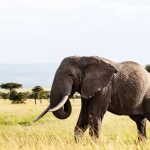
Amboseli is best in the dry season, from June to October and January to February, when elephants gather around the swamps and Mount Kilimanjaro is clearest at dawn.
Samburu, a northern park with a semi-arid landscape, is best from June to September. The Ewaso Ng’iro River draws wildlife, including the rare Grevy’s zebra, while the wet season floods roads.
Ol Pejeta Conservancy, near Nanyuki, works well year-round since its animals do not migrate. January to March is best for chimpanzee viewing at the sanctuary.
How Long Is the Flight from Addis Ababa to Nairobi?
Ethiopian Airlines flies direct from Addis Ababa to Nairobi every day, taking about two hours. From Nairobi, domestic flights connect to the Masai Mara, Amboseli, or Samburu in about 45 minutes to an hour.
You can also fly direct from Addis to Mombasa in about two hours, but Mombasa is a coastal city, not a safari base, and needs a further drive inland to reach Tsavo or Amboseli.
For most Amharic speakers, the easiest route is Addis to Nairobi, then a domestic flight or road transfer. Nairobi’s domestic airport is separate from the international terminal, so leave at least three hours between flights.
Do Ethiopian Citizens Need a Visa or eTA for Kenya?
Yes. Kenya uses an electronic travel authorization system, and Ethiopian citizens must apply for an eTA before departure. You cannot get one on arrival.
The application is online through Kenya’s official eTA portal. You need a passport valid for at least six months, a return ticket, and proof of accommodation. There is an application fee, and since the exact amount can change, confirm it on the official portal before applying. Processing times vary too, so apply several weeks ahead.
The eTA is not a visa, but an electronic travel authorization. You still need a valid passport and will clear immigration on arrival. Use the official Kenya eTA website, and avoid third-party agents that charge extra fees.
What Is the Best Time to Visit the Masai Mara Specifically?
The best time for the migration is July through October, with August as the peak. For resident wildlife without the heaviest crowds, January and February are excellent, with low grass, warm weather, and active big cats.
If you want a specific month, go for September. The migration is still strong, crowds have thinned after August, and the weather is dry, so you avoid the school holiday rush and the highest rates.
Read more in our detailed Masai Mara guide for park-by-park timing and camp recommendations.
How Do Kenya’s Crowds and Prices Change Throughout the Year?
Tourist crowds follow the migration. August and December are the busiest, July and September are busy but manageable, January and February are calm, and April and May are nearly empty. Prices mirror the crowds, as the table below shows.
| Season | Months | Crowd Level | Price Level |
|---|---|---|---|
| Peak dry season | July to October | High | High |
| Short dry season | January to February | Low to moderate | Moderate |
| Long rains (low season) | March to May | Very low | Lowest |
| Short rains (shoulder season) | November to early December | Low | Moderate |
If you are coming from Ethiopia, you might prefer the quieter months, when parks feel more intimate and guides give you more attention. The trade-off is the risk of rain.
Should You Book a Safari for the Dry Season or the Wet Season?
For most first-time visitors, the dry season wins, with reliable roads, clear visibility, and the best chance of seeing predators.
The wet season suits repeat visitors, photographers, and budget travelers who want a different side of Kenya.
Use our Kenya safari cost guide to estimate your budget for each season.
What Should You Pack for a Kenya Safari as an Ethiopian Traveler?
Pack for mornings and evenings, since game drives start at dawn when temperatures are cool. A fleece works in the dry season, while the wet season calls for a waterproof layer and quick-dry clothes.
Sunscreen, a hat, and insect repellent are essential year-round. Binoculars help for spotting distant animals, and a camera with a zoom lens matters more than any other gear.
Check our Kenya safari packing list for a full breakdown by season.
Which Parks Should You Combine on One Trip?
Most first-time visitors pair the Masai Mara with Amboseli, combining the migration with Amboseli’s elephant herds and Mount Kilimanjaro as a backdrop. The two parks are not connected by a direct road. Most travelers fly between them in about 45 minutes to an hour, or take a longer road transfer through Nairobi that can take most of a day.
Samburu adds a northern contrast with dry scrub and unique species, and pairs well with Ol Pejeta for rhinos and chimpanzees, about a three-hour drive away.
Choose two parks for a week, or add a third or a coastal stop in Diani for ten days. See our comparison of Masai Mara and Amboseli to decide which fits your style.
What Is the Best Time to Visit Kenya for Amharic Speakers?
For most Amharic speakers planning a first Kenya safari, September stands out, with the migration still active, thinner crowds, and dry roads. For fewer people and lower prices, try February, with warm weather and active wildlife in Amboseli and Samburu. For the lowest rates, and if you can accept some rain, choose April or May.
The flight from Addis Ababa takes about two hours, and the eTA process is straightforward if you apply early.
How Do You Compare Safari Operators and Packages?
Once you know your timing, the next step is finding the right operator for your trip. To compare safari operators, visit FindMySafari, Valley Safaris, or Trunktrails Safaris, where you can browse packages, read reviews, and compare operators side by side. Focus on the dry season for the best wildlife experience, and book at least three months ahead for peak months, since the best camps fill up quickly for August and September.
Where Can You Find More Kenya Safari Resources?
- Best time to visit Kenya from Trunktrails Safaris
- Best time to visit Kenya month-by-month map from Valley Safaris
- Great Migration safari collection on FindMySafari
- Masai Mara Great Migration guide from Trunktrails Safaris