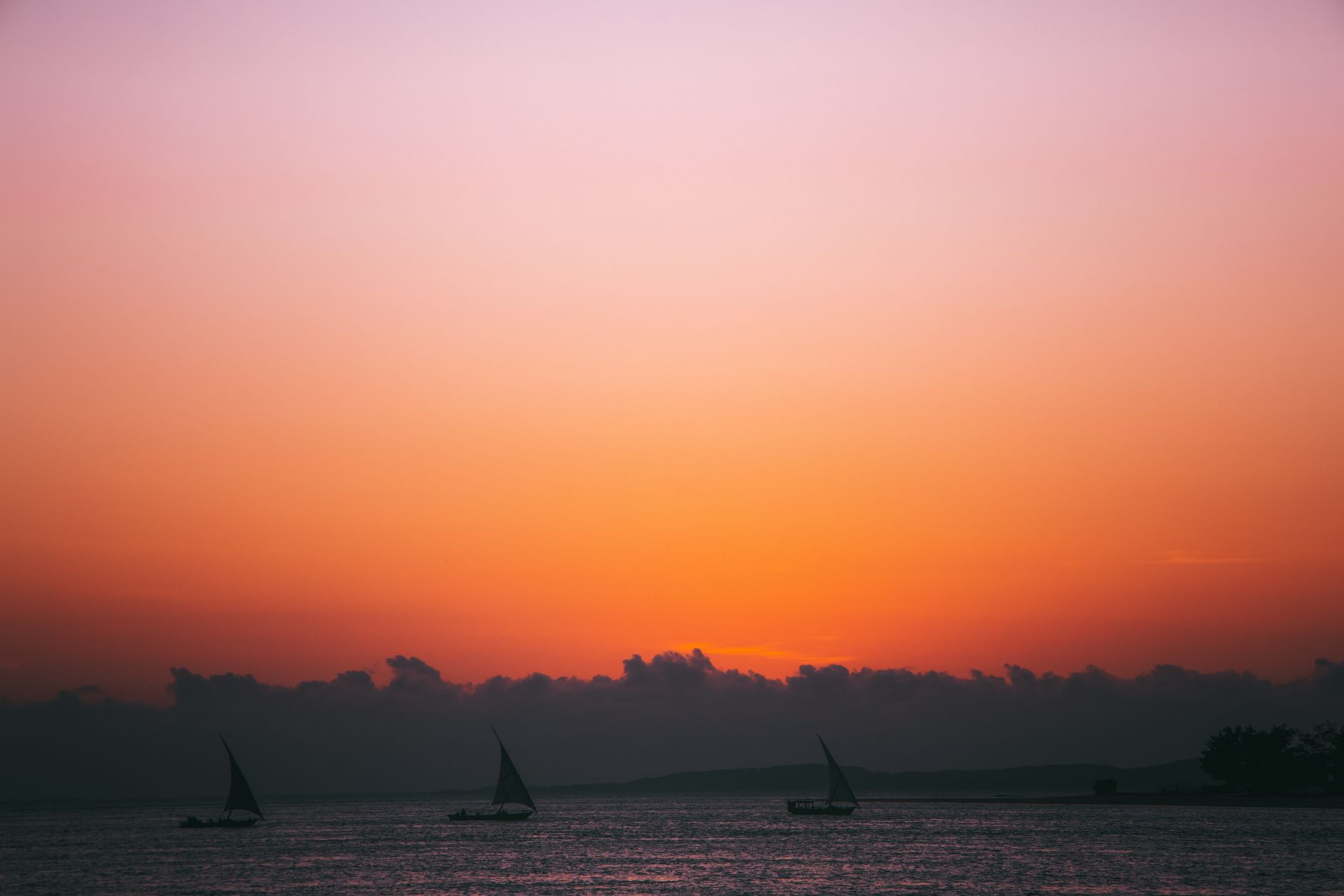
What Is the Best Time for Calm Seas and Dhow Sailing in Lamu?
The best time for calm seas and dhow sailing in lamu is December to March. This is the most dependable window for warm, generally calm seas and traditional dhow sailing in Lamu. July and August provide a second reliable dry-season window. October and early November can offer light winds, clear water, fewer visitors, and better value, although showers and changing conditions become more possible.
These three windows are not identical. December and January can feel busy because of holiday travel. February and March often keep the same warm, dry pattern with slightly lighter crowds, though the wind can build as the season moves on. If you want the smoothest romantic dhow cruise, plan an early departure and treat the afternoon as an option rather than a promise.
For a quieter stretch of coast, the Kenya coast dhow trips and mangrove sailing guide compares a nearby alternative to Lamu.
How Do Kaskazi and Kusi Winds Affect Lamu Sailing Conditions?
The northeast Kaskazi wind, strongest from December to February, usually brings warm water and comfortable morning sailing, though afternoons can become breezier. The southeast Kusi season, broadly March to September, produces stronger winds and rougher water, especially during the rains, so captains often favour sheltered channels or shorter trips rather than exposed crossings.
Think of Kaskazi as the gentle trade wind that fills a dhow sail without pushing the sea into steep waves. It is the reason December through March is the classic season for long beach-to-beach sails. Kusi is more demanding. It can still make a good day on the water, but your captain will be choosier about route and timing.
If your main goal is easy, calm sailing, plan for Kaskazi as much as possible. A honeymoon dhow trip in the Kusi season can still work, especially inside a protected channel, but you need to accept more uncertainty about wind strength and sea state.
What Are the Best Months for Calm Seas, Weather, and Honeymoon Trade-offs?
Choose December to March for the highest weather reliability. July and August suit dry conditions and a quieter beach atmosphere. October to early November offers lighter winds and fewer crowds. April to June carries the greatest rain and cancellation risk, while November can be attractive for value but needs flexibility around short showers and changing seas.
Lamu weather by month at a glance
| Window | Weather | Sea conditions | Honeymoon trade-off |
|---|---|---|---|
| December to March | Dry, warm, mostly sunny | Warm water, calm mornings, breezier afternoons | Most reliable, but peak demand and higher prices |
| July and August | Dry and comfortable | Generally calm, with stronger afternoon wind | Quiet beach feel, but book early and confirm routes |
| October to early November | Warm with possible showers | Often light winds and clear water | Quieter and better value, with some weather risk |
Month by month, December to March is the core of the Kaskazi window. January and February are the cleanest choices for a honeymoon dhow trip. March remains good in most years, though the change toward Kusi can bring more breeze later in the month.
July and August are part of Lamu’s dry season. These months feel less humid than the hottest Kaskazi days, but the sea can be livelier. That is not a problem if your dhow stays inside sheltered water. It matters more on open crossings.
October and early November are the shoulder. You may get flawless, glassy mornings and very few tourists. You may also get a short rain shower or a day when the captain changes the plan. If you value privacy and value over absolute certainty, this can be a smart trade.
What Time of Day and Which Routes Work Best for a Romantic Dhow Cruise?
Book an early-morning dhow departure when winds are often lighter, water visibility is better, and temperatures are more comfortable; choose a late-afternoon cruise when sunset atmosphere matters more than perfectly flat water. Shela beach, Manda Island, Manda Bay, and protected mangrove channels offer different experiences, so the captain should match the route to wind, tide, and swell.
Morning is the safest choice for a calm sail. The sea tends to be smoothest, the light is kind for photos, and you can anchor for a swim before the breeze picks up. If you prefer the romance of a sunset, take a late-afternoon trip and accept a little movement in exchange for golden light.
Ask about sheltered options. The mangrove channels around Manda Island can feel far from the open sea even when the outer water is bumpy. Shela beach works well for a short cruise along the sandbanks. Manda Bay and areas toward Kiwayu need more open water, so they suit confident captains and settled weather. Let the wind, not the brochure, choose your route.
When Should You Avoid Lamu for Open-Water Dhow Sailing?
April through June is the least reliable period for open-water dhow sailing because long rains, stronger swell, runoff, and reduced visibility can disrupt crossings. Avoid treating every dry-season date as identical: Kusi winds can still create lively conditions from June to September, and some operators pause or reduce services during maintenance or rough-weather periods.
If your dates fall in the Lamu rainy season, you can still enjoy a dhow trip. A short mangrove cruise may run when an open-water crossing would not. But honeymooners who have booked once and do not want to reshuffle should treat April and May as the riskiest months. June often improves, yet the sea may still be recovering from the rains. Check the forecast, listen to your captain, and keep your schedule flexible.
How Do You Plan and Book a Dhow Trip Safely?
Reserve a dhow early for December to February, peak travel weeks, and private honeymoon departures, but confirm the final route with the captain after checking wind, tide, rain, and swell. Choose a licensed operator with life jackets, a clear return plan, shaded seating, drinking water, and a weather-related cancellation policy; never prioritise a remote crossing over safe conditions.
A captain-led safety checklist for Lamu dhow trips
- Licensed operator with a marine radio or phone
- Life jackets that fit every passenger
- Shaded seating and drinking water
- Weather check on the morning of departure
- Route confirmed after considering wind, tide, and swell
- Clear plan for the return and for weather delays
- Written cancellation policy
Booking early matters more than you might think. December and February are popular with honeymooners, and private charters are limited. But an early booking should never lock you into an unsafe route. The best operators stay flexible. They will change the departure time or choose a protected channel if conditions call for it.
And if you are arranging a honeymoon base, these tips for securing a quiet room on honeymoon will help you pick accommodations that support the calm rhythm of a dhow trip. For a light packing plan, this light Kenya safari and beach packing list is a useful starting point.
What Do Travelers Ask About Lamu Dhow Sailing?
These are the questions travelers ask most before planning a Lamu dhow trip. The short answers below cover the best calm-season window, whether August works, rainy-season risk, the best month for a honeymoon, and how the Kaskazi and Kusi winds shape sailing conditions.
What is the best time to visit Lamu for calm seas?
December to March is usually the best overall window for calm, warm seas and reliable dhow sailing. July and August are strong alternatives, while October and early November can be quieter and pleasantly calm but require more flexibility for occasional rain or changing wind.
What is the best month for dhow sailing in Lamu?
January or February is a strong choice for honeymooners who want warm, dry weather and generally comfortable sailing conditions. Expect calmer mornings and potentially stronger afternoon breezes, so an early departure is often preferable for the smoothest ride.
Is August a good time for a dhow cruise in Lamu?
Yes. August is part of Lamu’s dependable dry-season window, with warm weather, relatively light rain, and conditions that commonly suit dhow trips and other marine activities. It can be windier than the Kaskazi months, so a captain may choose a sheltered route or adjust the departure time.
Can you sail in Lamu during the rainy season?
Dhow trips can operate during the rainy season, but April to June is less predictable because heavier rain and rougher water can cause delays, route changes, or cancellations. Sheltered creek trips may remain possible, but honeymooners should book flexibly and confirm conditions locally on the day.
What are the Kaskazi and Kusi winds in Lamu?
Kaskazi is the northeast trade wind associated mainly with December to February and generally warmer, more comfortable sailing conditions. Kusi is the southeast wind that dominates much of March to September; it can create stronger wind and rougher water, particularly during May and June.
Ready to Plan Your Lamu Dhow Honeymoon?
Once you know your window, the next step is simple: compare safari operators and browse packages. FindMySafari, Valley Safaris, and Trunktrails Safaris list Lamu beach stays and dhow charters side by side, so you can see what fits your dates and your budget without guessing.
Where Can You Find More Safari Planning Resources?
Use these partner maps and destination guides to compare Kenya seasons beyond Lamu.
- Best time to visit Kenya map from SafariPure
- Best time to visit Kenya from Trunktrails Safaris
- Best time to visit Kenya month-by-month map from Valley Safaris
- Diani Beach guide on FindMySafari