Amboseli weather shapes the safari before you even arrive. It controls where elephants gather, whether Kilimanjaro shows on your morning game drive, how dusty or green the plains feel, and whether the roads run smooth or turn to mud. A proper month-by-month read of the conditions is one of the most valuable planning tools available.
The park runs on two dry seasons and two wet seasons. The long rains build through March and peak in April and May. The short rains arrive around November. Between those wet windows sit two dry periods: January to February, and June through October. That rhythm is the foundation of everything else.
Quick Reference Table
| Month | Conditions | Kilimanjaro visibility | Game viewing | Notes |
|---|---|---|---|---|
| January | Warm, mostly dry | Excellent morning | Outstanding | First dry season, crisp light |
| February | Hot, dry, dusty | Excellent morning | Outstanding | Best photography month |
| March | Transition | Good early, patchy late | Very good early | Softer rates from mid-month |
| April | Long rains, muddy | Poor to moderate | Good, quiet park | Green scenery, great value |
| May | Peak long rains | Often obscured | Fair | Lush; patience needed |
| June | Drying out, mild | Good to excellent | Very good | Shoulder season quality |
| July | Cool, dry, clear | Excellent | Outstanding | Peak dry season begins |
| August | Cool, dry, clear | Excellent | Outstanding | High season, calves active |
| September | Warm, dry | Excellent | Outstanding | Best all-round month |
| October | Transition | Good to patchy | Very good | Short rains approaching |
| November | Short rains, brief | Moderate | Good | Calving season; birds arrive |
| December | Rains ease | Good to excellent | Very good | Fresh landscapes, improving fast |
The Long Rains: March, April, and May
The long rains are the most significant weather event in the Amboseli year. They build through March, peak in April, and taper off through May.
March
March is a transition month. Early March can still feel like dry season: warm days, open skies, and excellent game viewing. From mid-month onward, humidity climbs and afternoon showers become more frequent.
Road conditions inside the park stay manageable for most of March. Transfer roads from Nairobi can begin softening from mid-month. Early March is genuinely good value: you get conditions close to dry-season quality at lower demand levels, with a quieter park.
April
April is wet. Showers arrive regularly, the ecosystem turns visibly green, and mountain views become unpredictable. Some roads outside park boundaries can require a 4×4.
What April offers:
- Lush, photogenic landscapes
- Strong birdlife around wetland edges
- A quieter, more private park experience
- Lower rates across most accommodation tiers
Amboseli in April is a different trip rather than a lesser one. You go for mood, value, and atmosphere, not reliable Kilimanjaro on every morning.
May
May is the wettest month. Sustained overcast can block Kilimanjaro for days at a time. Some transfer roads are at their most challenging.
Elephant herds stay close to permanent water, which keeps them findable. Bird migration arrivals peak during this window, and the wetlands see excellent activity. Rates are at their lowest across the year. For birding or value travel, May remains viable. For peak photographic conditions or mountain views, it is the most difficult month on the calendar.
The First Dry Season: January and February
January
January is one of the cleanest months on the Amboseli calendar. The short rains have ended, the ecosystem still looks fresh from late-year rainfall, and morning skies regularly clear for Kilimanjaro views.
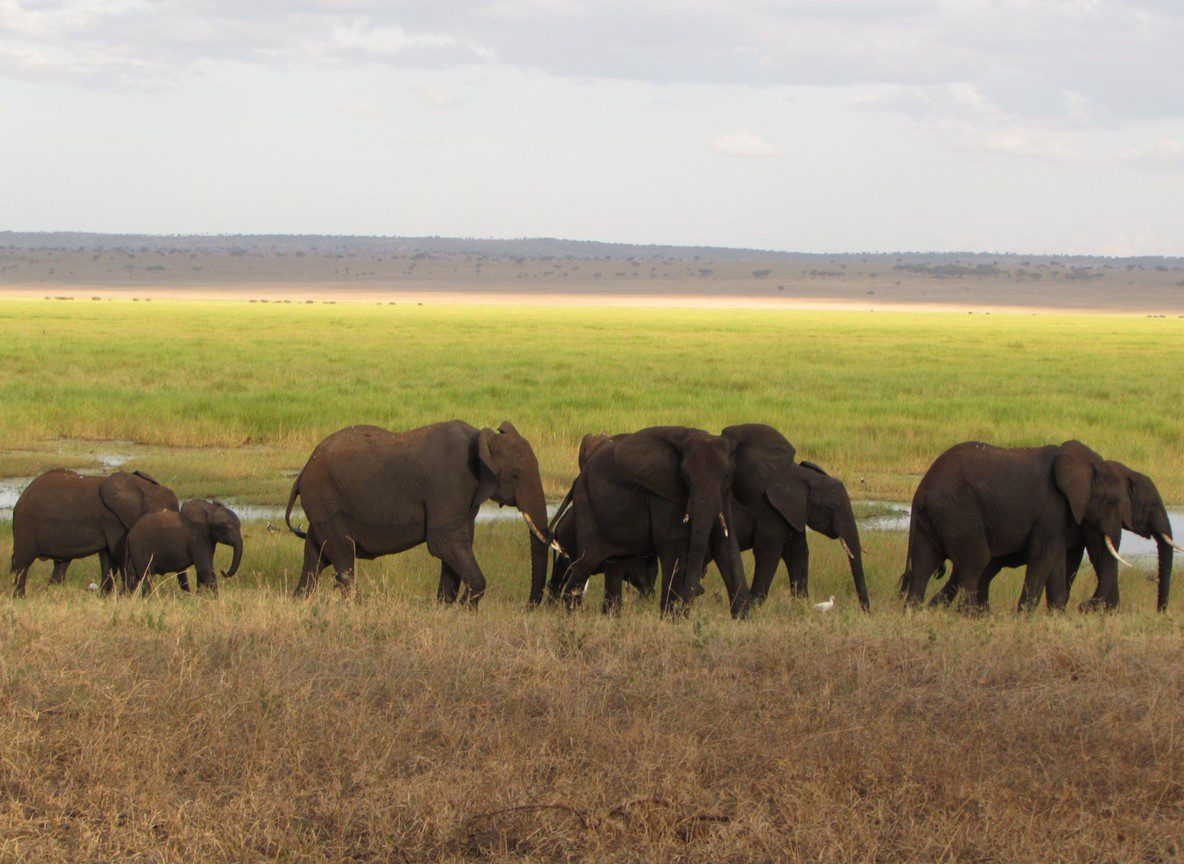
Daytime temperatures sit in the high 20s Celsius. Early mornings are cool enough for a light fleece in an open vehicle. Elephant herds concentrate around the swamps, making drives efficient and often spectacular.
January works well for first-time visitors, families, and anyone who wants excellent conditions without the pressure of the July and August peak season.
February
February is typically the driest and clearest month of the year. Low grass, open plains, and crisp morning light make it the strongest month for classic Amboseli elephant photography.
Kilimanjaro clears in the morning before mid-day cloud builds at altitude. Dust on the open plains adds atmosphere to wildlife images. Thin vegetation leaves animals fully exposed and easy to read.
If iconic elephant-and-mountain imagery is the goal, February belongs at the top of the shortlist.
The Long Dry Season: June Through October
This is the window most visitors target. Progressively drier conditions concentrate wildlife around the permanent swamps, clear the skies, and produce the most consistent Kilimanjaro visibility of the year.
June
June marks the start of the main dry season. The long rains have cleared, the landscape is still partially green, and wildlife is beginning to consolidate around water sources.
Temperatures are mild and pleasant. Early mornings can feel genuinely cold. Road conditions improve rapidly through the month. June offers strong safari conditions without the peak-season demand of July and August.
July
July is the beginning of peak season. Cool nights, warm days, and reliable clear skies make it one of the most popular months for Amboseli safaris.
Kilimanjaro visibility is excellent, often clearing for the full morning window. Elephant herds gather at the swamps in large numbers as peripheral water sources dry out. Calves born in the wet season are active and visible alongside their families. This is when many people visit Amboseli, and for good reason.
August
August continues the peak dry season. Wildlife concentration around the main swamps is at its highest point of the year.
Large elephant herds with young calves are a daily sight. Kilimanjaro views are excellent most mornings. Big cat activity increases as prey species concentrate near permanent water. August is one of the safest months to book for a first Amboseli visit, with the understanding that visitor numbers are at their peak and the main circuits will carry more vehicles.
September
September is arguably the strongest all-round month for Amboseli safari conditions. Peak-season visitor pressure eases while the conditions remain as good as July and August.
Warm, dry, clear days. Large elephant herds still active. Mountain views reliable most mornings. September fits cleanly into multi-park Kenya itineraries without weather risk, and camp availability is generally easier than in the high season.
October
October is a transition month. The short rains can arrive early, bringing brief afternoon showers and occasional overcast mornings. The ecosystem remains largely dry for most of the month and game viewing stays strong.
First rains green up the dust and improve air quality. Elephant herds are still concentrated near permanent water. October offers reasonable value before the short rains establish their full presence in November.
The Short Rains: November
November
November brings the short rains. Unlike the long rains, these showers are typically brief, arriving in the afternoon and clearing by morning. The pattern means mornings can still be excellent.
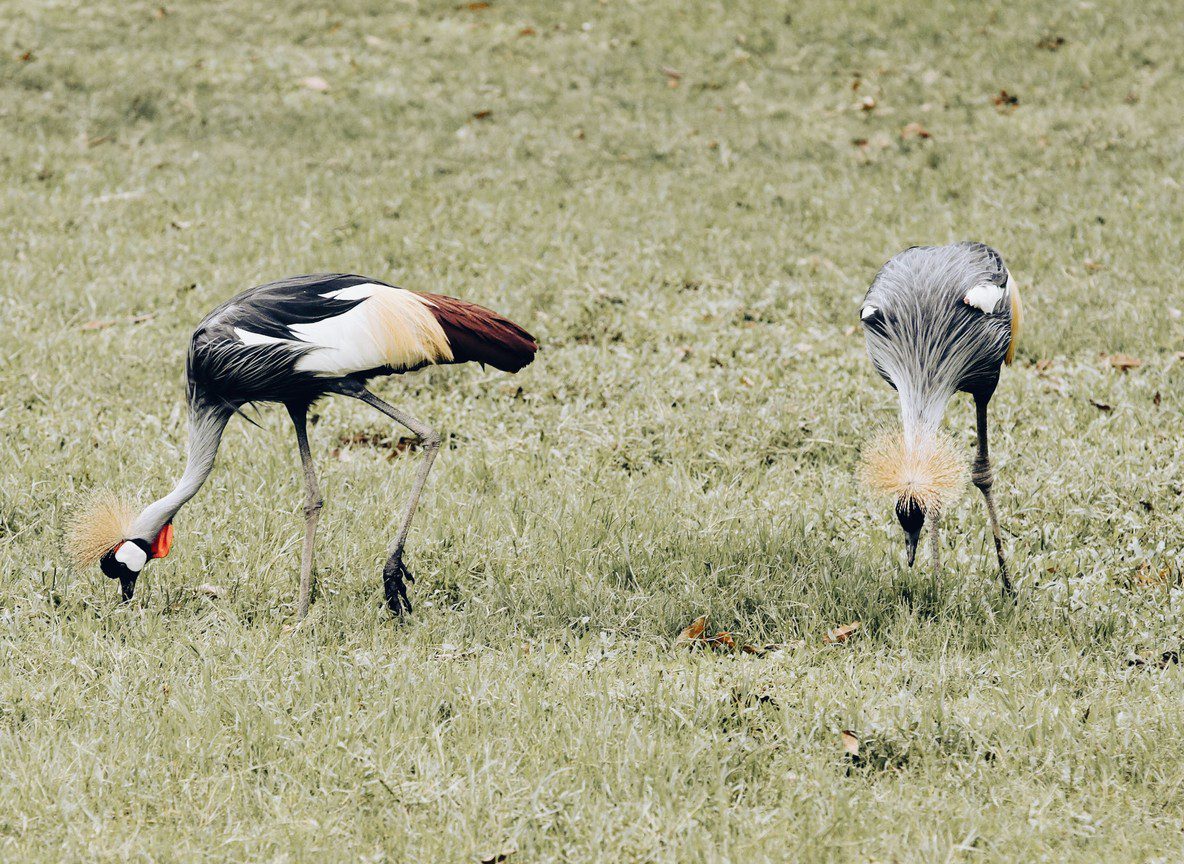
November is also Amboseli’s elephant calving season. Herds produce the year’s new calves in the weeks following rain, which triggers feeding and movement. Hundreds of migratory bird species arrive at the wetlands during this period.
Kilimanjaro views are more variable than in the dry season but still possible on good mornings, particularly after overnight rain clears the atmosphere. November is one of the most underrated months for serious wildlife travellers.
December: Fresh Landscapes and Returning Light
The short rains ease through December. The ecosystem looks its freshest. Dust is cleared from the air, and light quality returns to the clean conditions of January. Good to excellent Kilimanjaro visibility returns by mid-December.
Young calves born in November are visible and active alongside their families. Game viewing improves steadily through the month. Holiday demand rises from mid-December, particularly from family and festive travellers.
Late December can be a genuinely strong time: fresh vegetation, accessible wildlife, and improving conditions heading into the new year.
Kilimanjaro Visibility in Detail
The mountain sits 35 kilometres south of the park across the Tanzanian border. On clear mornings it dominates the Amboseli skyline, but visibility depends on factors beyond the season.
Most reliable months: January, February, July, August, September.
Peak daily window: 06:00 to 09:00 before thermal cloud builds at altitude.
What limits visibility:
- Afternoon cloud build-up, which happens even in peak dry season
- Sustained overcast during the long rains in April and May
- Dust haze on hot, still days in late February
Booking three nights rather than two meaningfully improves your odds of at least one clear morning. The mountain can still clear briefly during the rains, particularly after an overnight shower.
Best Timing by Visitor Priority
- Elephants and Kilimanjaro: January, February, July, August, September
- Wildlife photography with green backdrop: June, November, December
- Birding: April, May, November
- Value travel: March, April, May, November
- First-time visitors: January, February, July, August
Amboseli’s permanent swamps keep wildlife productive year-round. What changes month to month is the combination of mountain visibility, vegetation character, crowd levels, and road conditions, not whether the park is worth visiting.
What to Read Next
- Amboseli super tuskers and elephant herds for wildlife depth specific to each season
- Amboseli wildlife photography guide for how weather and season affect photographic conditions specifically
- Amboseli swamp vs open plains wildlife to understand how seasonal changes shift the balance between habitats
Prefer a different route, budget, or travel style? This plan can be adapted to fit.
Customise Your Trip