Planning a family safari in Kenya often starts with one big question: which park should you choose? The Amboseli versus Tsavo family safari debate is common because both parks are excellent. They are also very different. Amboseli is compact, open, and rich in elephants. Tsavo is vast, wild, and less predictable. The right choice depends on your children’s ages, how long you want to drive, and what kind of trip you want.
This guide walks through seven decisions that matter for families. It does not rank one park above the other in every case. Instead, it matches each park to the family that will enjoy it most. If you are also weighing a third option, our guide to Masai Mara versus Amboseli covers that comparison.
What Is the Quick Verdict for an Amboseli versus Tsavo Family Safari?
Amboseli is usually the better first choice for families because its compact size, open plains, elephant concentration, and shorter, easier-to-follow game drives create a high-yield safari. Choose Tsavo instead when your family values space, quieter sightings, dramatic geology, coast access, and a more exploratory experience over predictable wildlife viewing.
In Amboseli, you can often see elephants within the first hour of a drive. Children do not need to wait long for a reward. In Tsavo, the wildlife is spread over an enormous area, so sightings can come after hours of searching. That searching is part of Tsavo’s appeal for some families, but it can be hard for younger children.
Which Park Is Better for Elephant Viewing and Wildlife with Children?
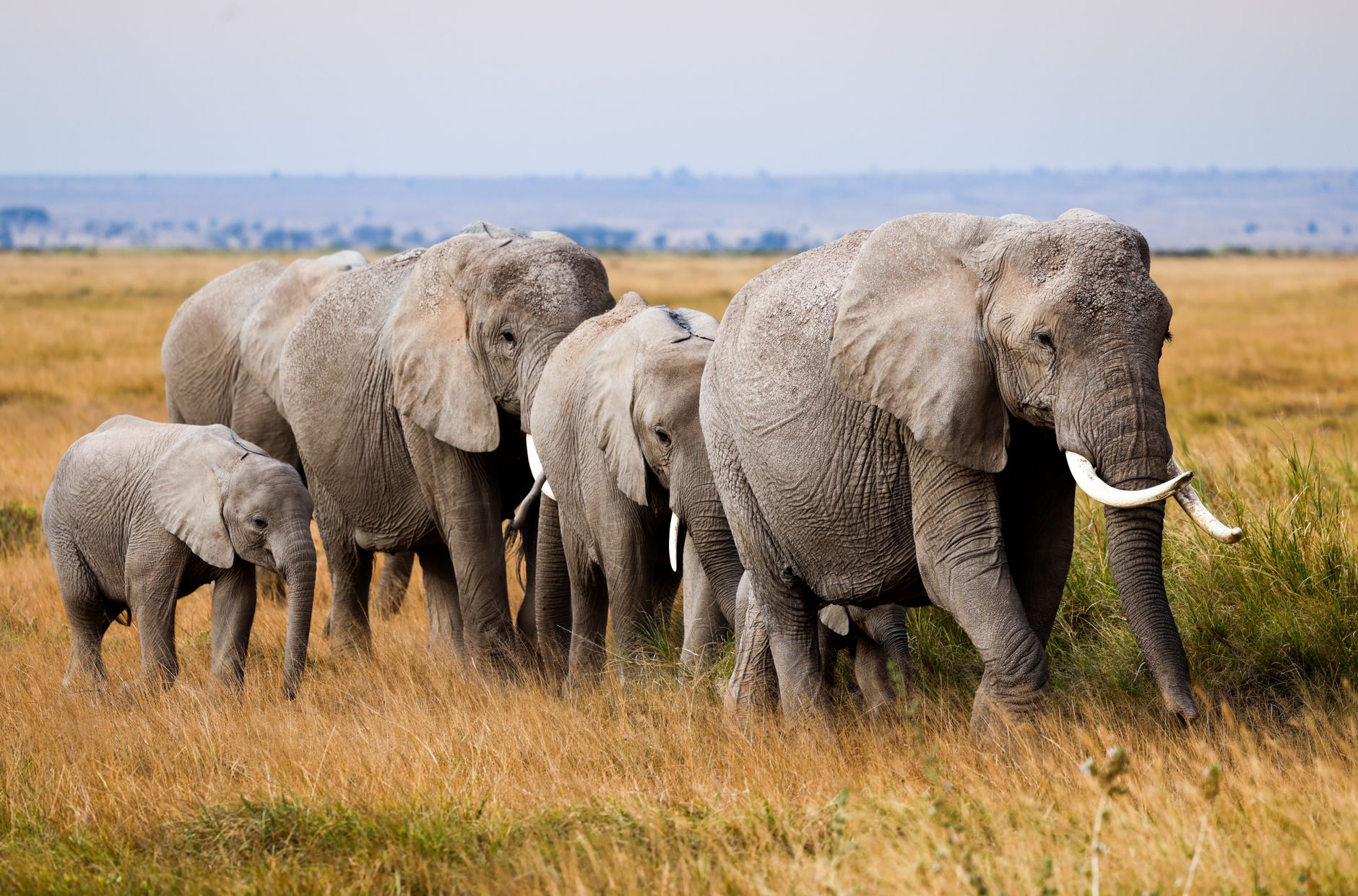
Amboseli is stronger for close, detailed elephant viewing and observing family-group behaviour, while Tsavo offers red-dusted elephants, larger landscapes, and more atmospheric encounters. Tsavo can produce excellent lion, leopard, buffalo, elephant, and rhino sightings, but its wildlife is spread across a much larger area, so encounters are less predictable on a short family safari.
Amboseli National Park has a long-running elephant research project, and families sometimes see researchers at work. The elephants are used to vehicles, which means closer and calmer encounters. Children can watch a mother elephant guide her calf to a swamp or see young males play. Tsavo’s elephants are often bigger and dustier, and they can be thrilling to find, but they are harder to track.
If you are travelling with babies or toddlers, check the Kenya safari child age restrictions before you book any drive. That rule applies to both parks, but it affects how much time you can plan in a vehicle.
How Do Game-Drive Time, Roads, and Comfort Compare for Kids?
Amboseli generally provides the easier family game-drive rhythm. The park is compact, key wildlife areas are accessible, and sightings often require less searching. Tsavo involves longer distances, denser bush in parts of Tsavo West, and more variable road conditions, but that extra driving creates a stronger sense of wilderness. The best choice depends on children’s ages and their tolerance for vehicle time.
In Amboseli, many family camps run morning and late-afternoon drives. Between drives, you can return to the lodge for meals, rest, and pool time. Tsavo East has long distances between attractions, so a single drive can consume the whole morning. Tsavo West is smaller than Tsavo East but its roads are sometimes rougher, which can make bumps harder for small children.
This is also where the choice of a private guide versus group safari matters. With a private guide, you can shorten or extend a drive when your children get tired. In a shared vehicle, you must follow the group’s pace. Our Amboseli safari guide covers camp options built around shorter family drives.
Where Do Kilimanjaro Views, Landscapes, and Activities Differ?
Choose Amboseli for open plains, seasonal wetlands, Observation Hill, and the possibility of photographing elephants with Mount Kilimanjaro behind them. Choose Tsavo for red soil, lava flows, the Yatta Plateau, volcanic hills, Mzima Springs, rivers, and a broader landscape story. Kilimanjaro is Amboseli’s defining visual advantage. Tsavo wins on geological variety.
Amboseli’s swamps are the reason its elephant viewing is so reliable. Animals come to the permanent water throughout the dry season. Observation Hill gives families a wide view over the park, and the mountain appears on clear mornings. That is a moment many parents want to capture.
Tsavo East has the famous red elephants, the Galana River, and Aruba Dam, where animals gather in the dry season. Tsavo West has Mzima Springs, where you can look into clear pools and sometimes see hippos and fish from a viewing platform. The Ngulia Rhino Sanctuary is also in Tsavo West, giving families a real chance to see rhino. These places add variety, but they are spread out, so you need time to enjoy them. Our Tsavo safari guide breaks down how to fit both sections into one trip.
How Do Park Fees, Lodge Costs, and Family Safari Budgets Compare?
Tsavo often offers better value, particularly for families travelling from Mombasa or Diani, because access is shorter from the coast and lodge rates can be lower. Amboseli may cost more, especially in peak periods, but its concentrated wildlife can reduce wasted driving time. Compare the complete package, transport, rooms, meals, fees, and activities, not just the daily park charge.
The table below uses indicative ranges for lodge pricing. Park entry fees are current non-resident daily rates as of the October 2025 Kenya Wildlife Service update. Lodge prices depend on season, room type, and the number of children. Use the ranges as a planning tool, then ask an operator for a written quote.
| Park or section | Typical family access | Entry fee, non-resident adult, per day | Indicative lodge price, family room, per night | Best family match |
|---|---|---|---|---|
| Amboseli National Park | 4 to 5 hours by road from Nairobi | USD 90 | USD 250 to 600 | First safari, younger children, short stay |
| Tsavo East | 2 to 3 hours by road from Mombasa | USD 80 | USD 150 to 400 | Coast safari, red elephants, longer drives |
| Tsavo West | 3 to 4 hours by road from Mombasa | USD 80 | USD 150 to 450 | Mzima Springs, rhino, varied landscape |
Lodges and camps often charge less for children, but child rates vary widely. Some properties allow small children to share a room for free, while others charge close to an adult rate. That is why you should compare family room options at safari lodges before you fix a budget.
Also remember that entry fees are only one layer. You will pay for the vehicle, guide, meals, drinks, and sometimes a conservancy fee. Amboseli’s higher daily fee can be worth it if you spend less time driving and more time watching wildlife. Tsavo’s lower fees can disappear if you need a long transfer or an extra night to see enough.
What Are the Best Seasons for an Amboseli or Tsavo Family Safari?
The dry months from June to October and January to February are generally the easiest periods for family wildlife viewing in both destinations because animals concentrate near remaining water and roads are more manageable. Green-season travel can bring fewer visitors, lower rates, and attractive scenery, but families should expect thicker vegetation, muddy roads, and less predictable sightings.
In Amboseli, the dry season makes the swamps even more important because elephants gather at the permanent water. In Tsavo, the dry season pushes animals toward the Galana River and Aruba Dam. The wet months, usually March to May, are quieter and greener, but a sudden storm can turn a gravel road into mud.
The best time also depends on school holidays. July, August, and December are busy in both parks. If you prefer fewer vehicles, travel in the shoulder weeks of June or September, or in January after the holiday crowds leave. Families who want lower prices should ask about green-season rates, but they should pack extra patience and good rain gear.
Should Families Choose Tsavo East, Tsavo West, or Both?
Tsavo East is usually the simplest family choice for red-dusted elephants, open savannah, Aruba Dam, and access from the coast. Tsavo West suits families interested in Mzima Springs, volcanic scenery, and the Ngulia Rhino Sanctuary, but bushier terrain can make sightings harder to follow. Combining both sections works best on a longer itinerary rather than a rushed short break.
Tsavo East is flatter and more open. That makes wildlife easier to spot, even if it means driving longer distances. Tsavo West has more varied scenery, but some of its best areas are hidden in thick bush. For a first family visit to Tsavo, many operators recommend starting in Tsavo East. If you have a keen older child who wants to see rhino, add a night in Tsavo West.
Families can also combine Amboseli and Tsavo on one itinerary. This is most practical when you are travelling between Nairobi and the coast. You might spend two nights in Amboseli, two nights in Tsavo East, and then finish at Diani or Mombasa. That gives you a clear picture of both worlds.
So Which Park Fits Your Family and Itinerary?
Pick Amboseli for a first safari, younger children, a short two- or three-night stay, classic elephant photography, or a Nairobi-based itinerary. Pick Tsavo for a coast combination, repeat safari travellers, older children who enjoy longer drives, lower crowd levels, or families seeking a larger wilderness setting. On a longer Kenya trip, combining Amboseli with Tsavo can balance clarity and exploration.
If your family has never been on safari, Amboseli is the safer bet. It gives children a clear sense of what a game drive can be without hours of empty road. If your children are older and already know they love the outdoors, Tsavo will reward them with space and a sense of discovery. Our detailed guides to the Amboseli safari and the Tsavo safari can help you compare camps and driving times.
What Do Families Often Ask About Amboseli and Tsavo?
Is Amboseli or Tsavo better for a family safari?
Amboseli is generally better for a first family safari because wildlife is concentrated, the terrain is open, and game drives are easier for children to follow. Tsavo is better for families who prefer fewer vehicles, larger landscapes, coast access, and a less predictable wilderness experience.
Which is better for elephants, Amboseli or Tsavo?
Amboseli is better for reliable, close elephant viewing and observing family-group behaviour in open terrain. Tsavo is better for red-dusted elephants and dramatic encounters across a much larger landscape, but sightings can require more searching.
Is Tsavo suitable for children?
Yes, Tsavo is suitable for children when the itinerary matches their age and tolerance for longer drives. Tsavo East is usually the easier section for families, while Tsavo West can involve bushier roads and more difficult-to-follow sightings.
How many days do you need in Amboseli or Tsavo?
Allow two to three nights in Amboseli for a focused family safari with several game drives. Allow at least three nights for Tsavo if the goal is to explore beyond one concentrated area, and add more time when combining Tsavo East and Tsavo West.
Can you visit Amboseli and Tsavo on the same trip?
Yes, families can combine Amboseli and Tsavo on a longer Kenya itinerary, especially when travelling between Nairobi and the coast. The combination works best with enough time for separate stays. Rushing both parks into a short trip can create excessive driving and reduce the quality of game viewing.
Ready to Compare Family Safari Options?
Your family’s next safari should match your children’s ages, your driving limits, and your travel style. To turn this Amboseli versus Tsavo decision into a package, compare safari operators side by side. Start with FindMySafari for a wide view of itineraries, browse packages with Valley Safaris, or check Trunktrails Safaris for dates that fit your school holiday.
Where Can You Find More Safari Planning Resources?
- Tsavo East and West map from SafariPure
- Amboseli National Park guide from Trunktrails Safaris
- Map of Tsavo from Valley Safaris
- Tsavo destination guide on FindMySafari