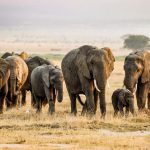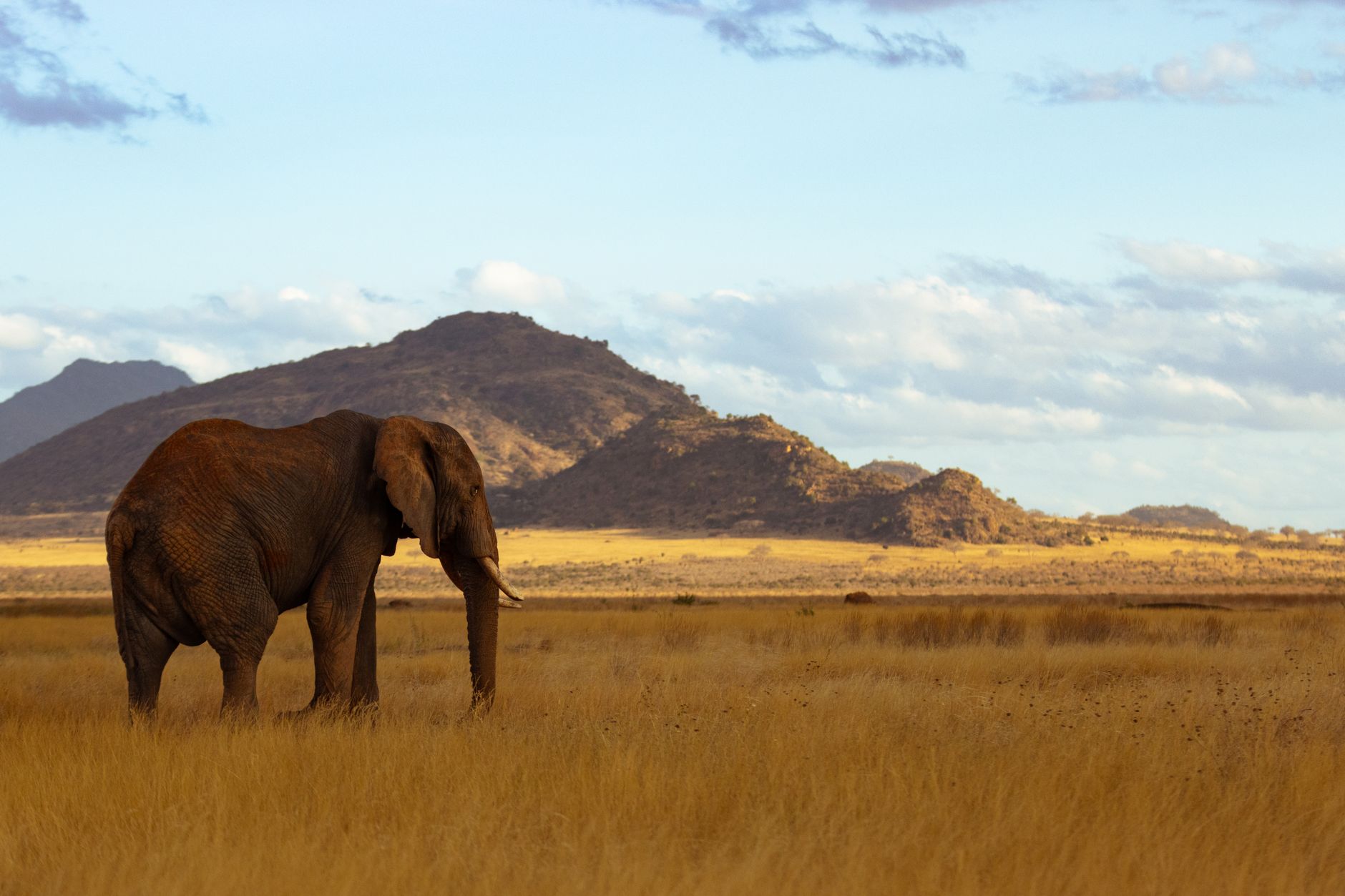
An Amboseli safari for older travelers is one of Kenya’s most comfortable wildlife trips. The park is compact, its main viewing areas are flat, and elephants gather in dependable numbers around the swamps. A three-night stay with a private vehicle, shorter drives, and a lodge on level ground keeps the pace gentle. The park still presents real constraints: heat, dust, rough tracks, and early starts. Planning around those details turns a good safari into a great one.
Is an Amboseli Safari for Older Travelers a Good Fit?
Amboseli is among Kenya’s easiest parks for older travelers. Its main wildlife areas are compact and mostly flat, and elephant sightings are often reliable near the swamps. A private vehicle, flexible drive times, and a lodge with short, level paths can reduce fatigue. Heat, dust, and rough sections still require realistic planning.
Amboseli National Park is smaller than many Kenyan parks, so you spend less time driving between attractions. The altitude is modest, around 1,100 meters, which means altitude sickness is rarely an issue. Medical services near the park are limited, so carry your regular medication and confirm that your operator knows how to reach a doctor by phone. Travel insurance with emergency evacuation cover is a must.
The park also has a deep conservation story. The Amboseli Elephant Research Project has studied the same elephant families for decades, and some guides know individual animals by name. That knowledge turns a simple game drive into a richer experience.
How Many Nights Should Older Travelers Spend in Amboseli?
Plan three nights in Amboseli for a comfortable first visit. Two nights can work when time is limited. Four nights suit travelers who prefer slower mornings and rest days. A practical schedule combines one arrival drive or flight, two shorter game drives, and time at the lodge. It does not promise a full-day drive every day.
Three nights gives most older travelers two full days of game viewing without a 12-hour day. A sample itinerary looks like this:
- Day 1: Leave Nairobi after breakfast by road or flight. Settle into your lodge. Take a short late-afternoon drive.
- Day 2: Start with a sunrise game drive, return for an unhurried lunch, rest during the heat, and go out again late afternoon if you feel like it.
- Day 3: Explore a different part of the park in the morning. Keep the middle of the day free for rest, reading, or a pool.
- Day 4: Have breakfast, do a final short drive, and return to Nairobi.
A full-day picnic drive may sound appealing, but for older travelers it often means too many hours in a vehicle, limited toilets, and strong sun. If you want that experience, book it as a private option and keep it short. For a broader planning overview, see our Amboseli safari guide.
What Makes Amboseli Easy to Get Around for Older Travelers?
Request a private safari vehicle, an easy step or grab handle, extra legroom, and permission to shorten or pause drives. Ask the operator to confirm vehicle access, seat cushioning, door support, and toilet arrangements before booking. Flat terrain helps, but park tracks can still be bumpy, especially after rain, so a private schedule matters more than a generic group tour.
The single most important upgrade is a private 4WD safari vehicle. With your own vehicle and driver, you control the pace. You can ask to leave a sighting when the dust gets thick, take a short toilet break, or skip a drive entirely. You can also request a vehicle with a side step for easier entry and enough legroom for long legs.
Group vehicles fill quickly and follow fixed routes. That works for some travelers, but it removes the flexibility that makes Amboseli easy for seniors. Ask your operator to confirm the exact vehicle model, how many people will share it, and whether you can lower or open windows easily. A pop-up roof is good for standing views, but you should be able to photograph from your seat if standing is difficult.
Which Lodges and Camps in Amboseli Work Best for Seniors?
Choose accommodation with ground-level rooms, firm beds, walk-in or low-step showers, solid paths, nearby dining, and staff assistance between rooms and vehicles. Ol Tukai Lodge, Tortilis Camp, and Satao Elerai are commonly presented as comfortable senior-friendly options, but facilities vary by room category. Confirm distances, bathroom design, lighting, and backup power directly before paying.
Amboseli lodges range from large safari hotels to intimate tented camps. For older travelers, “best” usually means fewer stairs, less walking, and reliable help when needed. Ol Tukai Lodge sits in the heart of the park with wide views over the swamps. Tortilis Camp is on the park’s edge under acacia trees and has a strong guiding culture. Satao Elerai sits on community land with its own waterhole and works with local Maasai landowners.
Conservancy properties like Satao Elerai reduce pressure on the main park and give back to the community. They also offer the chance to see elephants outside the crowded areas. If Kilimanjaro views matter, read about the best views of Kilimanjaro from Amboseli before choosing between a lodge inside the park and a camp on its boundary.
When Is the Best Time to Visit Amboseli for Older Travelers?
The dry periods from June to October and January to February generally offer easier road conditions and comfortable wildlife viewing. Wildlife remains concentrated around water sources. April-May can bring muddy tracks, and November-December showers may interrupt drives but refresh the landscape. January and February can be hot, so schedule early drives, midday rest, and strong sun protection.
The long dry season from July to October is the most popular time, with clear skies, fewer mosquitoes, and animals gathering around permanent water. It also means higher lodge prices and more vehicles. The short dry months of January and February can be excellent, but temperatures often climb high by midday. Plan early starts and use the hottest part of the day for rest.
Wet season has trade-offs. Showers can make tracks sticky for a few hours, but they also clear the dust and bring green views. If you are flexible and want fewer crowds, consider June or September to October, when conditions are usually drier but peak prices have softened. For more detail on handling rain, read what to expect on safari during rain. And if you are weighing Amboseli against the Masai Mara, our Masai Mara vs Amboseli comparison covers the key differences.
Road or Flight: How Should Older Travelers Reach Amboseli From Nairobi?
A private road transfer from Nairobi takes roughly four to five hours. A scheduled or chartered flight from Wilson Airport can reduce the transfer to about 35 to 45 minutes. Flying costs more and may involve luggage limits or a vehicle transfer from the airstrip. Driving offers flexibility but should include planned comfort stops and realistic arrival times.
Many older travelers ask whether to fly or drive. The answer depends on your knees, your back, and your budget. A private road transfer lets you stop for coffee, a bathroom, or a short walk. It also means you do not face baggage weight limits. The downside is four to five hours in a vehicle, much of it on a road that can be rough in places.
A light aircraft flight from Nairobi’s Wilson Airport arrives at an airstrip near the park, and the lodge meets you for the final transfer. The flight saves about four hours of sitting. It can be ideal if you have mobility issues, but it adds cost. Luggage on light aircraft is usually limited, and the airstrip transfer is not always on smooth tarmac. Ask your operator to confirm the baggage allowance and the distance from airstrip to camp.
If you drive, leave Nairobi by 8am or right after breakfast. Build in one or two stops, and avoid arriving in the middle of the hot afternoon. Your operator can suggest a route and rest points. For a wider look at expenses, see our Kenya safari cost breakdown.
How Much Does an Amboseli Safari Cost?
Prices depend on season, lodge category, private transport, park fees, and whether the trip uses road transfers or flights. A comfortable mid-range estimate cited by safari operators is about USD 400 to 700 per person per night, before some additional costs. Fly-in legs can potentially add USD 150 to 300 per person.
Use the table below as a starting point, not a quote. Every operator prices differently, and high season, single supplements, and private-use vehicles all change the total. Ask for a written breakdown before paying.
| Safari element | Typical range for comfortable planning | Why it matters for older travelers |
|---|---|---|
| Road transfer, Nairobi to Amboseli | 4 to 5 hours each way; private 4WD with comfort stops | A private car lets you stop and spread out, but it still uses part of a day |
| Fly-in from Wilson to Amboseli | About 35 to 45 minutes in the air; often adds USD 150 to 300 per person per leg | Saves sitting time but adds luggage limits and an airstrip transfer |
| Mid-range lodge stay | USD 400 to 700 per person per night, usually including meals and some activities | Comfort comes from ground-level rooms, firm beds, and short walking distances |
| Amboseli National Park entry fees | Non-resident adult fee is a separate daily tariff, roughly USD 70 to 100 | Your operator should list this clearly; do not assume it is included |
What Do Older Travelers Ask About an Amboseli Safari?
Is Amboseli Safari Suitable for Older Travelers?
Yes. Amboseli has flat, open plains, compact game-viewing areas, and frequent elephant sightings, making it one of Kenya’s lower-strain safari choices. Older travelers should still request a private vehicle, flexible drive lengths, and accommodation with minimal walking.
How Many Days Do You Need in Amboseli National Park?
Three nights is the most comfortable length for older travelers because it allows an arrival day, two game-viewing days, and time to rest. Two nights works for a short Kenya itinerary, while four nights suits travelers who want slower mornings or a non-driving day.
What Is the Best Safari in Kenya for Seniors?
Amboseli is often the best starting point for a Kenya safari for seniors who prioritize shorter drives, flat terrain, elephants, and Mount Kilimanjaro views. The Masai Mara may offer broader wildlife variety, but its longer distances and rougher sections can make a private, slower itinerary more important. If you are comparing parks, see how Ol Pejeta compares with the Masai Mara as a possible stop.
Can You Fly From Nairobi to Amboseli?
Yes. Light aircraft services from Nairobi’s Wilson Airport reach Amboseli in approximately 35 to 45 minutes, depending on the routing and airstrip. Flying reduces road fatigue but usually costs more and may impose luggage limits, so confirm the airstrip transfer and baggage allowance.
How Much Does an Amboseli Safari Cost?
Most travelers pay between USD 400 and 700 per person per night at a mid-range Amboseli lodge. Park entry fees and any flight transfers are usually extra. Ask your operator for an itemized quote before booking so you know exactly what is covered.
Where Can You Compare Safari Packages for Older Travelers?
The best way to turn this planning into a booking is to compare packages from established safari operators. FindMySafari, Valley Safaris, and Trunktrails Safaris all list current Kenya itineraries with lodges, transfers, and fees.
Browse packages from FindMySafari, Valley Safaris, or Trunktrails Safaris to see how different camps combine road and fly-in options. Ask each operator for a written quote that names the lodge, the vehicle, the season, and all park fees. A slower Amboseli safari with fewer moving parts is often the kindest plan. The right operator will make that the standard, not the exception.
Where Can You Find More Safari Planning Resources?
- Amboseli map and guide from SafariPure
- Amboseli National Park guide from Trunktrails Safaris
- Map of Amboseli from Valley Safaris
- Amboseli destination guide on FindMySafari