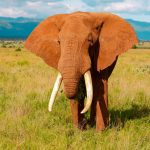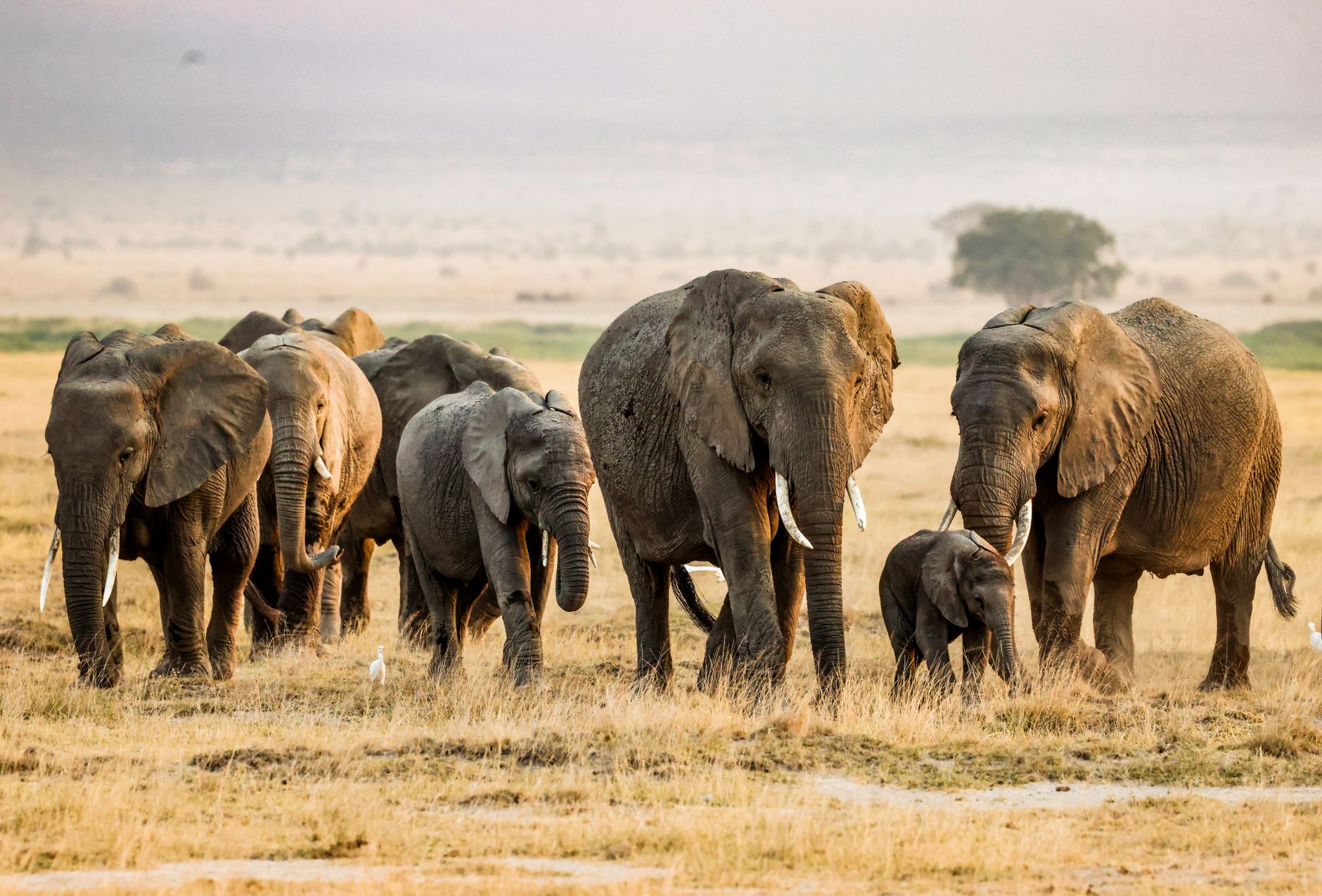
Amboseli National Park is known for large elephant herds and clear views of Kilimanjaro. The amboseli safari conservation fee is the per person charge for entering the park. KWS confirms this at USD 90 for non-resident adults for a 24 hour entry period. This post covers the 2026 rates, what the fee covers, how to pay it, and how it fits into your full safari budget. For a full itinerary breakdown, see our Amboseli safari guide.
How Much Is the Amboseli Safari Conservation Fee?
The confirmed KWS rate for Amboseli National Park is USD 90 per non-resident adult for a 24 hour entry period. Other visitor categories, including children, students, African citizens, Kenya residents, and East African citizens, pay lower rates under the published KWS schedule. Fee schedules change from time to time. Treat every figure below except the USD 90 adult rate as an indicative range to confirm before you pay.
| Visitor category | Adult per 24 hours | Child or student |
|---|---|---|
| Non-resident (confirmed) | USD 90 | USD 40 to 50 (indicative) |
| African citizen (indicative) | USD 45 to 55 | USD 20 to 30 |
| Kenya resident (indicative) | KES 1,900 to 2,100 | KES 1,000 to 1,100 |
| East African citizen (indicative) | KES 1,400 to 1,600 | KES 700 to 800 |
These are the categories KWS uses for Amboseli National Park entry. Rates are per person and can shift with new fee notices. Always check the current KWS fee list or ask your operator for written confirmation before your travel date.
What Does the Amboseli Entry Fee Cover and How Long Does It Last?
The conservation fee is the per person charge for entry to Amboseli National Park, normally issued for one access period of up to 24 hours. It does not cover accommodation, safari vehicles, private conservancy charges, guide services, meals, or transport to the park. Those costs should appear as separate lines in a safari quotation.
The 24 hour clock starts when you enter the gate. If you arrive at 2pm on day one and leave at 10am on day three, you may need two fee periods. That is why operators often quote park days rather than nights. Ask for a breakdown that states the number of charged park days, the visitor category, and the names of everyone in your group.
The fee does not cover tips, drinks, travel insurance, or optional activities. A clear safari quote lists the KWS fee as one line, then shows other costs separately. If an operator bundles everything into one price, ask for the full breakdown before you sign.
How Do You Pay the Amboseli Safari Conservation Fee?
KWS directs visitors to pay park fees through its eCitizen payment platform, using options such as M-Pesa or Visa. Travellers booking through an operator should ask whether the fee has already been paid. Request confirmation of the visitor category, number of days, and names on the booking before arriving at the gate.
Plan to pay online before you reach the park. This cuts waiting time and gives you a receipt to show at the gate. Keep a copy on your phone and a printed copy in your bag. If you change your dates, ask whether the fee can be moved or refunded. The answer can depend on the payment method and the timing.
KWS conservation fees are separate from vehicle entry charges. Paying the person fee does not automatically include the vehicle. The vehicle charge is a different line in the KWS system and is usually handled by your tour operator.
What Extra Charges Should You Budget for at Amboseli?
The conservation fee is only one part of access cost. KWS also lists daily vehicle charges, which vary by seating capacity, and separate guide or security service charges. As indicative figures, expect vehicle charges from roughly KES 600 for small vehicles up to around KES 5,000 for large buses. Guide or security service charges run roughly KES 2,000 for up to four hours, rising to roughly KES 4,000 beyond four hours. Confirm exact figures with KWS or your operator, since these are published rates that can change.
Vehicle charges apply for every day you drive inside the park. A small car with fewer than six seats costs less than a large tour bus. Most safari operators include vehicle and driver fees in the package price, but the exact charge should still appear in your quotation. Ask whether the vehicle fee is per day or per trip. If your itinerary includes an early morning and a late evening game drive, confirm whether that counts as one day or two.
Camping is another separate charge. Public campsites in KWS parks have their own nightly rates, which your operator can confirm. These extras add up. Our Kenya safari cost overview can help you see the full picture before you compare quotes.
Can You Use One Ticket for Amboseli and Tsavo?
A standard Amboseli entry ticket should not be assumed to cover Tsavo. KWS publishes separate combined Tsavo-Amboseli packages, including a Tsavo West-Amboseli option and a three park option covering Tsavo East, Tsavo West, and Amboseli. Confirm the correct package before entering the first park.
As indicative figures, the Tsavo West-Amboseli package runs roughly USD 140 to 160 per non-resident adult. The three park option runs roughly USD 200 to 230 per non-resident adult. Lower child, African citizen, and East African citizen rates apply. Confirm current pricing with KWS or your operator before you book. A combined package can save money if your route genuinely connects these parks. If the parks are only a small part of a wider Kenya trip, a single park ticket for each day might be simpler. For route and entry details, see our Tsavo safari guide.
Your entry and exit gates should match your itinerary. Arriving from Nairobi often means entering Amboseli from the west or north. Continuing to Tsavo West usually means leaving through the eastern or southern side. Confirm the gate plan with your driver before you pay.
How Do Amboseli Conservation Fees Affect the Total Safari Cost?
For two non-resident adults, a single 24 hour Amboseli entry day adds USD 180 before vehicle, accommodation, meals, flights, and guide costs. A two night itinerary may need more than one fee period, depending on entry and exit times. The quotation should state the number of charged park days rather than only the number of nights.
The conservation fee is normally a small slice of the full safari price. Lodges, tented camps, park vehicles, guides, transfers, and flights cost much more. Use this table as a starting point for one park day for two adults. The confirmed figure is the conservation fee; the rest are indicative.
| Item | Cost for one park day |
|---|---|
| KWS conservation fee, two adults (confirmed) | USD 180 |
| Vehicle entry charge, under six seats (indicative) | from around KES 600 |
| Guide or security, up to four hours (indicative) | around KES 2,000 |
| Guide or security, beyond four hours (indicative) | around KES 4,000 |
Accommodation, meals, transfers, flights, and operator profit are not included in this table. Many Amboseli lodges sit inside the park, but some are on community or private land outside it. Those properties charge their own conservancy and community fees, separate from the KWS park fee. Confirm that your quote lists each fee on its own line.
Amboseli also rewards travellers who visit in the dry season. The long dry season, roughly June to October, is a popular window. When water is scarce, wildlife gathers around the permanent swamps, so you can see more animals in fewer game drives. That can raise the value of each fee day.
How Does Amboseli Compare with Other Kenyan Safari Parks?
Park fees vary across Kenya, and Amboseli sits in the mid to upper range for non-resident adult rates. Our Kenya safari cost overview walks through how Amboseli compares with parks like the Maasai Mara and Tsavo. It also covers how shoulder season timing can lower your overall trip cost without changing which parks you visit.
Should You Add a Community Conservancy to Your Amboseli Trip?
A community conservancy can complement an Amboseli safari, but it does not replace the national park. Conservancies are separate land areas with their own entry and conservation fees. A visit there does not cover your KWS park fee, and the wildlife experience can be different.
Some travellers add a conservancy day to see wildlife on private land. The money supports local landowners and community projects, which is a good reason to include one. Still, the national park fee remains the base charge for entering Amboseli National Park. Make sure your operator names the conservancy and gives you a separate fee line for it.
Community lands may allow walking or night activities, depending on the operator and local rules. The two experiences differ, and they work well together when your budget allows. If you only have one day, spending it inside the park gives you the classic Amboseli view of Kilimanjaro and the swamps.
What Do Travellers Ask About the Amboseli Safari Conservation Fee?
How much is the conservation fee for Amboseli National Park?
The confirmed KWS non-resident rate is USD 90 per adult for a 24 hour entry period. Child, student, African citizen, Kenya resident, and East African citizen rates are lower, published figures that you should confirm before paying.
Is Amboseli National Park free for children?
No. KWS lists a reduced child or student fee rather than free entry. As indicative figures, expect roughly USD 40 to 50 for non-resident children, with lower rates for African citizens, Kenya residents, and East African citizens. Check age and eligibility rules with KWS before payment.
How do I pay the Amboseli National Park entry fee?
KWS says Amboseli fees are paid through the eCitizen payment platform, including M-Pesa and Visa options. If a safari operator handles payment, ask for written confirmation showing the park, dates, visitor category, and number of travellers.
Does the Amboseli entrance fee include a safari vehicle?
No. The per person conservation fee and the daily vehicle charge are separate. KWS publishes vehicle charges based on seating capacity. The final safari price should identify both the individual park fees and the vehicle cost.
Can I use one ticket for Amboseli and Tsavo?
A standard Amboseli entry ticket should not be assumed to cover Tsavo. KWS publishes separate combined Tsavo-Amboseli packages, including a Tsavo West-Amboseli option and a three park option covering Tsavo East, Tsavo West, and Amboseli. Confirm the correct package and current pricing before entering the first park.
Where Can You Compare Amboseli Safari Packages?
Once you know the KWS fee structure, the next step is comparing operators and itineraries. FindMySafari, Valley Safaris, and Trunktrails Safaris list Amboseli packages with different camp types, route options, and price levels.
- Amboseli map and guide from SafariPure
- Amboseli National Park guide from Trunktrails Safaris
- Map of Amboseli from Valley Safaris
- Amboseli destination guide on FindMySafari
Browse packages and compare safari operators across these sites before you book. Check what each quote includes: park fees, vehicle charges, guide fees, and accommodation, so you can see the real total cost side by side.