Rwanda is famous for mountain gorillas, but it also has Akagera, a classic savanna park in the east. Zebras, giraffes, elephants, buffalo, and lions live across its plains and lake shores. You can explore this park by self-drive, with no guide required. The akagera safari self drive rules are clear once you understand how the park runs. TouringInsights plans East African trips, and travelers ask us about this route all the time. Here are 12 things to know before you press the accelerator at the gate.
Is Self-Drive Allowed in Akagera National Park?
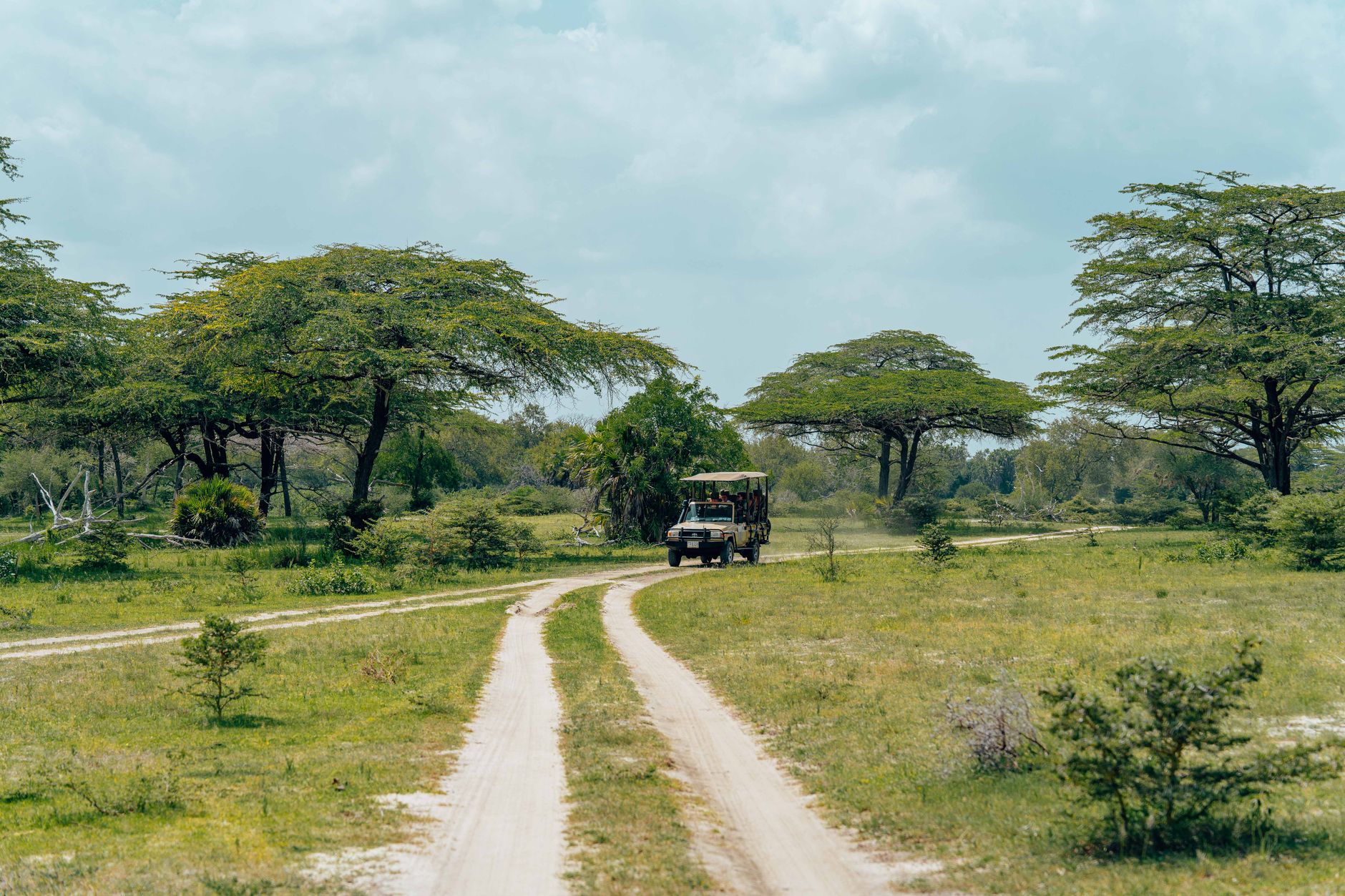
Yes, visitors may self-drive in Akagera National Park without hiring a guide, using their own or a rented vehicle on the park’s marked tracks. Self-drive game viewing is included with the applicable park entry fee, although a guide remains useful for route knowledge, wildlife spotting, and interpreting animal behavior.
Akagera is managed by African Parks with the Rwanda Development Board. That partnership explains why the rules are consistent and well enforced. The park wants you to have a good day, but it also wants its wildlife and habitats protected. If you are weighing this savanna park against Rwanda’s rainforest parks, our Akagera versus Nyungwe safari comparison shows how different the two trips really are.
- Confirm the current park advice before you travel. Rules and gate arrangements are usually stable, but they do change. Check the official Akagera visitor information online, or ask your lodge to confirm the latest notice. That five-minute check saves you from arriving at the wrong gate on the wrong day.
How Do the South and North Gates Work?
Akagera’s daytime gates generally open at 6:00 am and close at 6:00 pm, so self-drivers must plan to exit before closing unless they join an officially booked night activity. The south gate is the normal entry point, while the northern access is generally used as an exit. Confirm current arrangements before setting out because access can change.
- Enter at the south gate and plan to leave from the north. Most self-drive circuits flow this way for a reason. It lets you build from the wetland and lake tracks toward the open northern savanna without backtracking to Kigali at the end of the day. Collect a paper map at the gate or download the park map before you lose signal.
- Treat 6:00 am to 6:00 pm as your daylight contract. Gates open at first light, when animals are most active, and close in the early evening. Self-drivers must be out before closing unless they are on an official night activity. Many travelers misjudge the distances. Start early, stay flexible, and keep an eye on the clock.
Akagera Safari Self Drive Rules Inside the Park
These rules are not random bureaucracy. They protect the habitat, the wildlife, and you.
- Stay on marked tracks and never drive off road. This rule protects vegetation and prevents erosion. It also keeps you out of trouble. A buffalo calf or a sleeping lion can lie hidden in long grass, and a sudden detour can end with a charge, a puncture, or a deep mud hole.
- Keep your speed at or below 40 km/h. The limit may feel slow on an open stretch, but blind corners, potholes, and animals crossing the track are common. At 40 km/h you still have time to brake. At 60 km/h you may not. Slow down further when the road is wet.
- Stay inside the vehicle except at approved stops. Picnic sites, viewpoints, and designated lake areas are the only places where you should get out. Never step out for a closer photo of wildlife, even if the animal looks calm. Big mammals can move very fast, and park rangers do not want injuries on their watch.
- Give wildlife the right of way, always. Stop at a safe distance and wait. If elephants or buffalo are near the track, keep the engine at a low idle and let them pass. Do not rev, honk, or push through a crossing herd. Patient drivers see better animal behavior and take better photos.
- Keep noise low and take everything out with you. Loud music or shouting can stress animals and spoil sightings for other cars. Never feed wildlife. Drop nothing, not even fruit peel. The park stays clean when each vehicle leaves with zero rubbish. Taken together, these rules make Akagera work for everyone.
Do You Need a 4×4 to Self-Drive in Akagera?
A 4×4 is not always essential in dry conditions, but high clearance is recommended. Four-wheel drive is necessary or strongly advisable on difficult wet-season tracks, particularly from March to May. Confirm current road conditions and vehicle restrictions with the park or rental company before departure.
- Choose a vehicle with clearance, and add four-wheel drive for the wet months. In March to May, muddy sections turn quickly and rangers may require a 4×4. Many people rent one in Rwanda as a matter of course. If you arrive in a two-wheel-drive sedan, ask about road conditions before buying your tickets.
- Fill the tank before you reach the gate. Akagera has no fuel station inside the park. Refuel in Kigali, or around Kayonza before you turn toward the park. A full tank matters because the circuit is long and the nearest help may be far from your stopping point.
- Take a breakdown kit and an offline map. Carry water, food, sun protection, a basic first-aid kit, and a phone with the park map downloaded. Check the spare tyre, jack, and wheel brace before you leave the gate. A simple puncture can otherwise turn into a long wait.
Self-drive fees usually have two parts, a per-person park entry fee and a separate vehicle charge. The self-drive game viewing itself is included in the entry fee. Rates vary by age, nationality, and length of stay, and they change, so check the official Akagera fee page. If you are building a wider Rwanda trip, our comparison of Uganda and Rwanda safari costs will help you see where Akagera fits into the budget.
When Should You Hire a Guide Instead?
Self-drive suits confident drivers who value flexibility, privacy, and a lower vehicle cost, especially on a short daytime visit. Hire a guide when wildlife spotting is the priority, the route is unfamiliar, conditions are wet, or you want help reading tracks and behavior. A park guide can join you in your own vehicle or take the wheel of a park vehicle. Either way, a good guide adds knowledge without removing your chance to choose a private experience.
- Make the guide decision about your group, not your pride. If you are new to driving on the right side of the road, if you are not used to rough dirt tracks, or if you only have one day and want to maximise sightings, the guide fee is worth it. If you enjoy the independence of setting your own pace, self-drive can be the better call. There is no single right answer for every traveler.
Compare Guided and Self-Drive Packages
Price both approaches before you commit. Self-drive means rental plus park fees. A guided day adds someone’s time, knowledge, and spotting skill. Both are valid ways to see Akagera. If your wider itinerary might include a private vehicle for only part of the trip, our East Africa private safari vehicle costs guide helps you compare a self-drive rental with a full vehicle arrangement. When you are ready to see what guided packages include, browse options through FindMySafari and compare operators who run Akagera trips.
More Safari Planning Resources
- Kenya safari packages from SafariPure
- Kenya wildlife tours from Trunktrails Safaris
- Nairobi to Maasai Mara route guide from Valley Safaris
- Compare Kenya safari packages on FindMySafari