
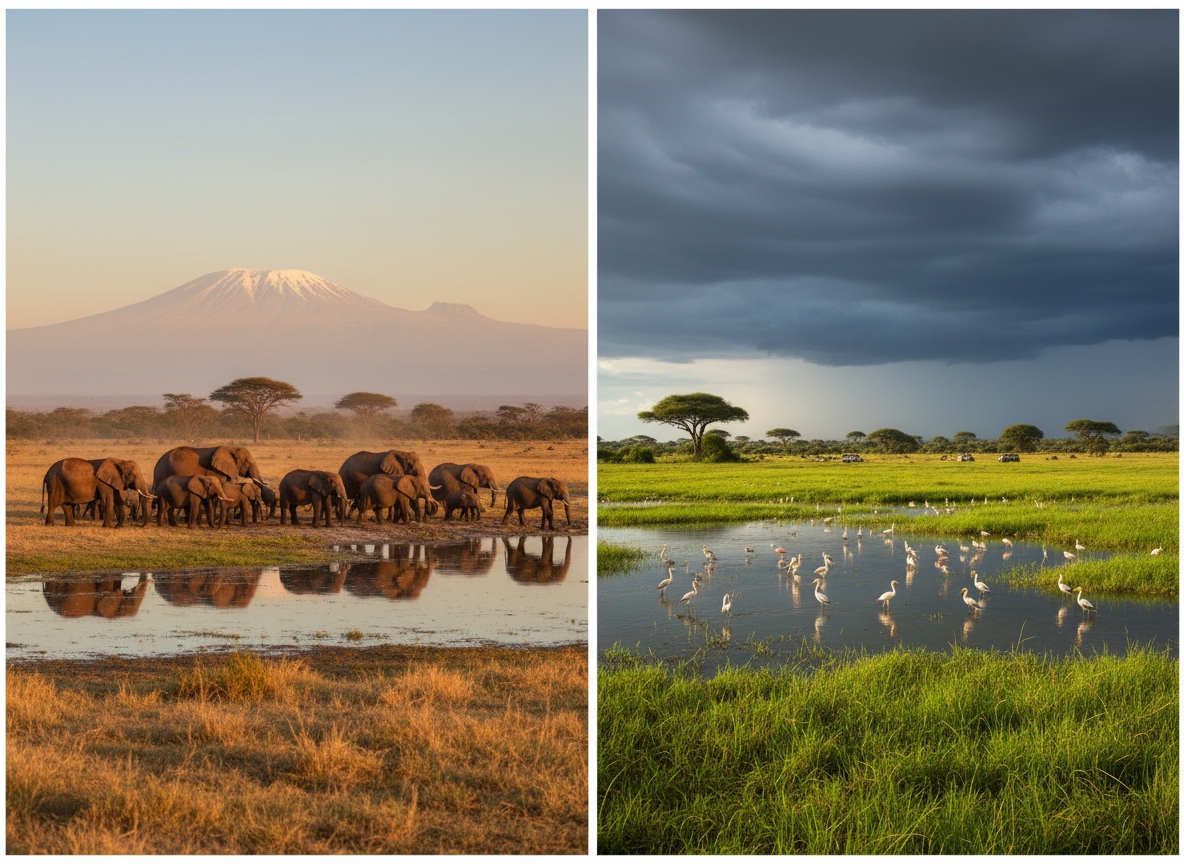
The question of dry season vs green season in Amboseli is really a question about what kind of safari you want. Amboseli works in both periods, but the park behaves differently in each one. Elephants feel more concentrated in dry months. The landscape feels softer and richer in green months. Kilimanjaro is more dependable in one season and more dramatic, but less reliable, in the other.
Trunktrails Safaris uses this comparison constantly because many travellers ask for “the best time” when what they really need is the best season for their own priorities.
Here is the practical comparison.
Dry Season in Amboseli
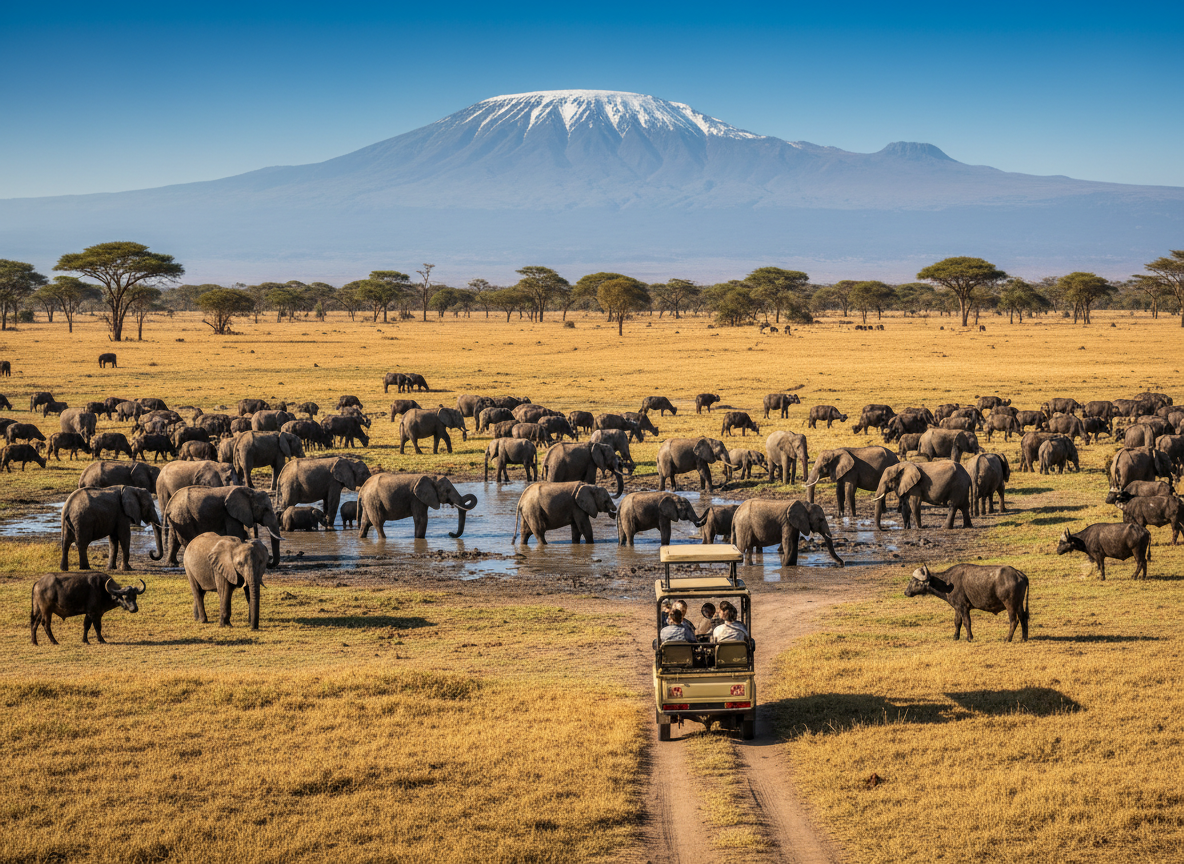
In Amboseli, the main dry windows are usually:
- June to October
- January to February
Dry season usually means:
- easier wildlife visibility
- clearer mountain mornings
- firmer roads
- stronger first-time safari conditions
Why dry season is popular:
- elephants are easier to find around swamps and water
- shorter vegetation helps with mammal viewing
- game drives are logistically easier
- photography is cleaner and more predictable
If someone wants one simple, high-confidence answer for a first Amboseli trip, dry season is usually it.
Green Season in Amboseli
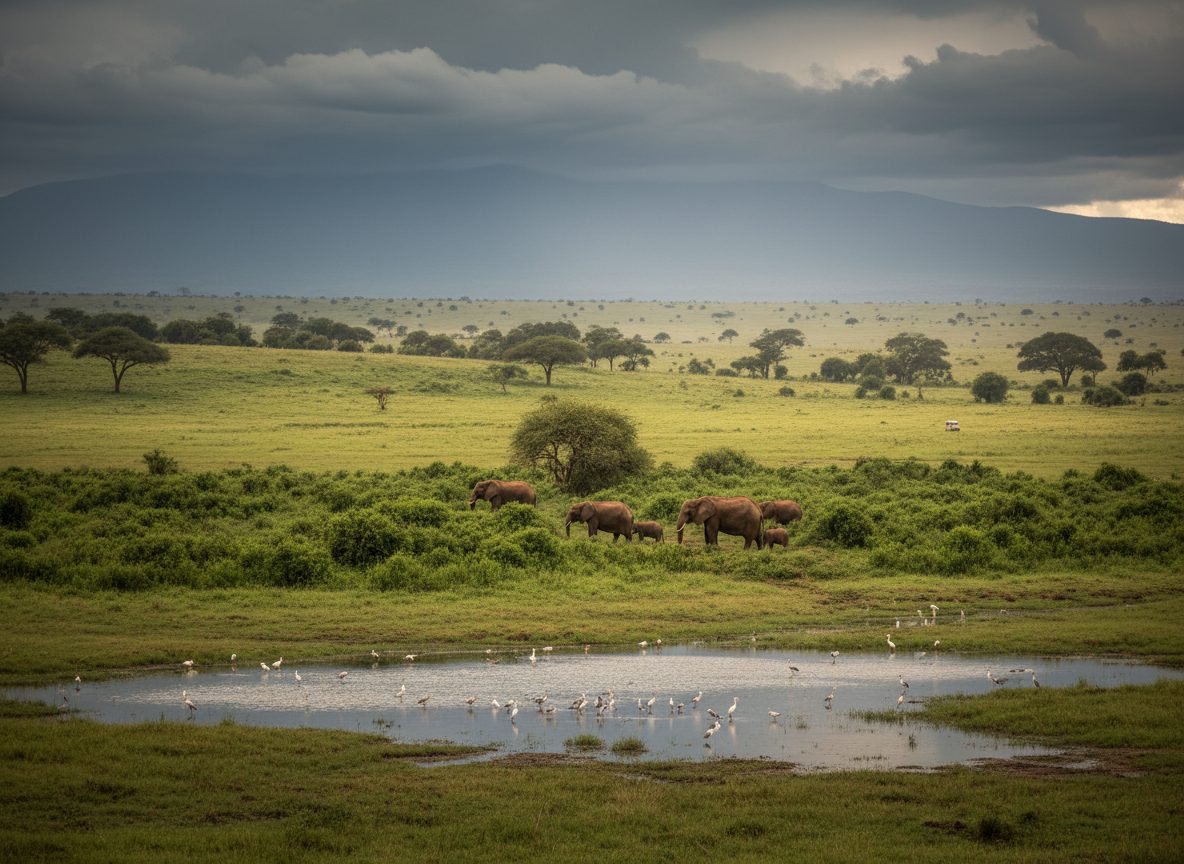
Green season covers the wetter and fresher parts of the calendar, especially:
- March to May
- November to December
- parts of the softer shoulder around early March
Green season usually means:
- greener plains
- stronger birding
- more dramatic skies
- lower crowd pressure
Why green season appeals:
- the park feels more atmospheric
- value is often better
- elephant scenes can look softer and more emotional
- birdwatchers get more from the wetlands
Green season is not the wrong season. It is just a less obvious one.
Wildlife Visibility: Dry Season Wins
For pure wildlife visibility, dry season is stronger.
Why:
- shorter grass
- less visual clutter
- animals patterned more clearly around water
- easier game-drive reading
This is especially true for:
- elephant herds
- buffalo near swamp systems
- more open searches for lions and cheetahs
If the safari priority is “make the park easy to read,” dry season wins.
Scenery and Mood: Green Season Wins
For atmosphere, green season has a real advantage.
Why:
- the plains look richer
- storms and cloud create drama
- swamps and wetlands feel fuller
- photography can look less harsh and more layered
Travellers who value mood, softness, and fewer vehicles often prefer green season once they understand the tradeoff.
Kilimanjaro Views: Dry Season Wins
If the question is specifically about clear Kilimanjaro views, dry season is the stronger answer.
That is because:
- clouds build less aggressively
- mornings are clearer more often
- repeated dawn drives are easier to plan
Green season can still surprise you with extraordinary mountain reveals after rain, but it is not the most dependable option.
Birding: Green Season Wins
For birdwatching, green season usually edges dry season.
KWS identifies Amboseli as an Important Bird Area with more than 400 recorded species, and wetter periods strengthen wetland and migratory-bird interest.
If the trip is partly about:
- waterbirds
- migratory species
- greener wetland energy
then green season becomes very attractive.
Cost and Crowd Pressure
Dry season:
- stronger demand
- more pricing pressure
- more first-time safari traffic
Green season:
- lower pressure
- better value potential
- more room for flexible trip design
This is where many repeat travellers shift toward green-season Amboseli. They already know the park works. They now want more atmosphere and fewer people.
Road Conditions
Dry season also has the easier practical edge.
Why:
- fewer muddy sections
- cleaner overland movement
- simpler route timing for short trips
Green season is still workable, but it asks for a more realistic approach to route timing and vehicle choice.
Accommodation Feel Changes by Season Too
One underrated part of the dry season vs green season in Amboseli comparison is how the accommodation experience changes.
In dry season:
- camps feel sharper and more outward-looking
- terraces and decks work beautifully in clear light
- the whole safari can feel more classically “open savannah”
In green season:
- the ecosystem feels softer and more enclosed
- storm light and richer vegetation improve atmosphere
- the stay can feel more intimate and less exposed
That matters because some travellers are not only buying game drives. They are also buying the emotional tone of the stay.
Who Usually Regrets Choosing the Wrong Season?
The most common mismatch is simple:
- first-time safari travellers choosing green season while expecting dry-season clarity
- repeat safari travellers choosing dry season when what they really wanted was mood and fewer vehicles
At Trunktrails Safaris, we try to prevent that mismatch early. Dry season is easier to understand and easier to sell. Green season needs better expectation-setting, but it can be deeply rewarding when chosen for the right reasons.
Which Season Fits Short Trips Better?
For short Amboseli itineraries, dry season usually wins more clearly.
Why:
- you have fewer game drives to work with
- you need the easiest conditions faster
- there is less margin for a cloudy or muddy day to reshape the trip
Green season becomes more attractive when the traveller has enough time to absorb variation and enjoy the atmosphere instead of measuring every drive against one perfect postcard expectation.
Which Season Fits Which Traveller?
Choose Dry Season If:
- this is your first Amboseli safari
- you want the easiest wildlife viewing
- you care strongly about Kilimanjaro views
- you want the most reliable road conditions
Choose Green Season If:
- you prefer lower crowd pressure
- birding matters
- you like dramatic skies and greener photography
- you are comfortable with more weather variation
Quick Comparison: Dry vs Green Season in Amboseli
| Factor | Dry Season | Green Season |
| Wildlife visibility | Stronger | Softer, less direct |
| Kilimanjaro reliability | Stronger | Less reliable |
| Birding | Good | Better |
| Scenery | Dustier, classic | Greener, moodier |
| Road conditions | Easier | More variable |
| Value | Lower | Better |
| First-time safari fit | Best | Better for flexible travellers |
The Trunktrails View
At Trunktrails Safaris, the default answer is:
- dry season for first-timers
- green season for travellers who know what they are trading for
That trade is simple:
- dry season gives clarity
- green season gives atmosphere
Both can be excellent. They are just excellent in different ways.
Ready to Plan Your Kenya Safari? Talk to Trunktrails Safaris
Trunktrails Safaris designs tailor-made tours and safaris for every traveller and every budget. If you are choosing between a classic dry-season Amboseli trip and a greener, quieter version of the park, we will match the season to the experience you actually want.