

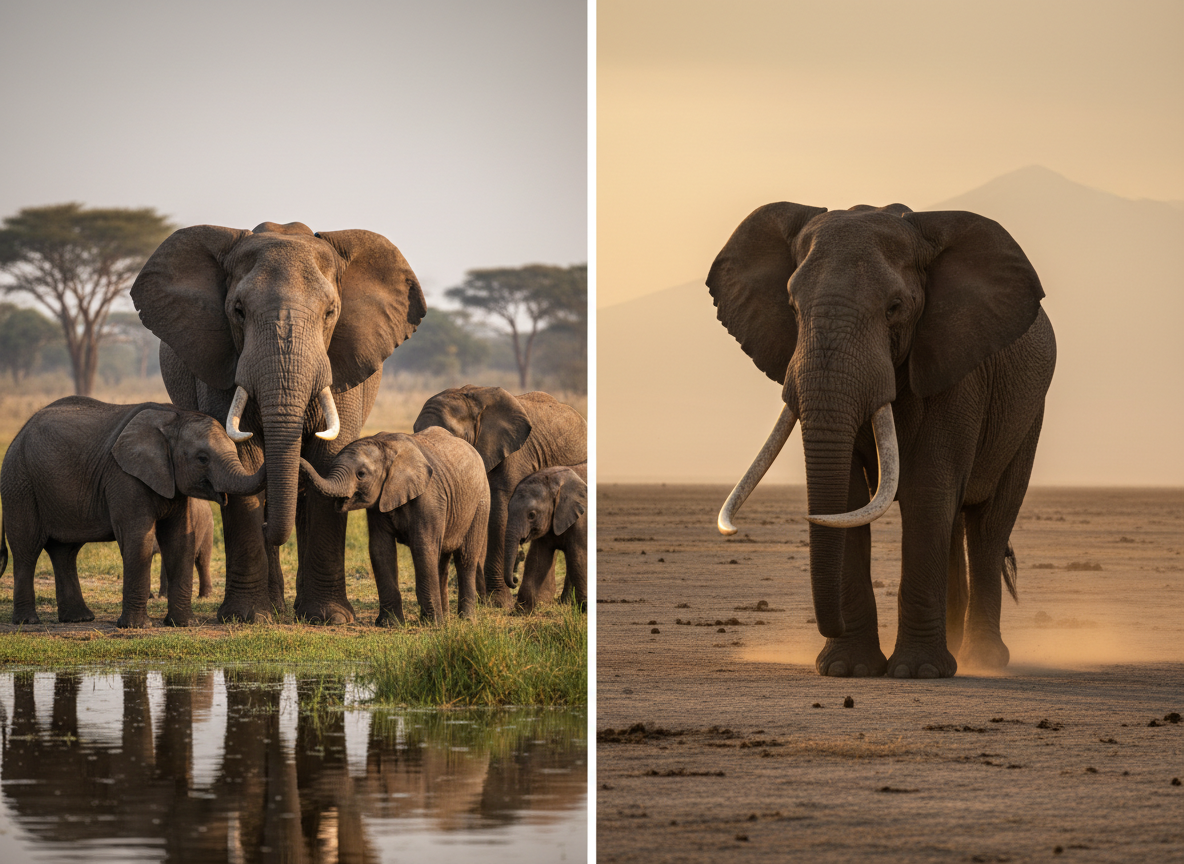
Elephant family herds vs big tuskers in Amboseli is one of the most useful elephant-planning comparisons because not every elephant safari is chasing the same moment. Some travellers want family behavior, calves, and the emotional depth of matriarch-led groups. Others want the singular drama of one massive bull with heavy tusks walking through open country.
Amboseli is unusually good for both. The park’s long-term elephant research makes family-group behavior especially meaningful, while its open habitat and mature bulls keep the big-tusker dream alive as well. Amboseli.org emphasizes both family structure and the movement of adult males across the wider ecosystem, which is why the park appeals to behavior-focused naturalists and iconic-image photographers at the same time.
The useful question is not which is objectively better. It is which elephant experience matters more to you.
The Short Answer
Choose family herds if you want:
- social behavior
- calves
- emotional storytelling
- repeated sightings with depth and variation
Choose big tuskers if you want:
- rarity
- visual scale
- one unforgettable iconic sighting
- portrait-style elephant photography
The best Amboseli safari often includes both, but most guests naturally lean toward one.
Why Family Herds Matter So Much in Amboseli
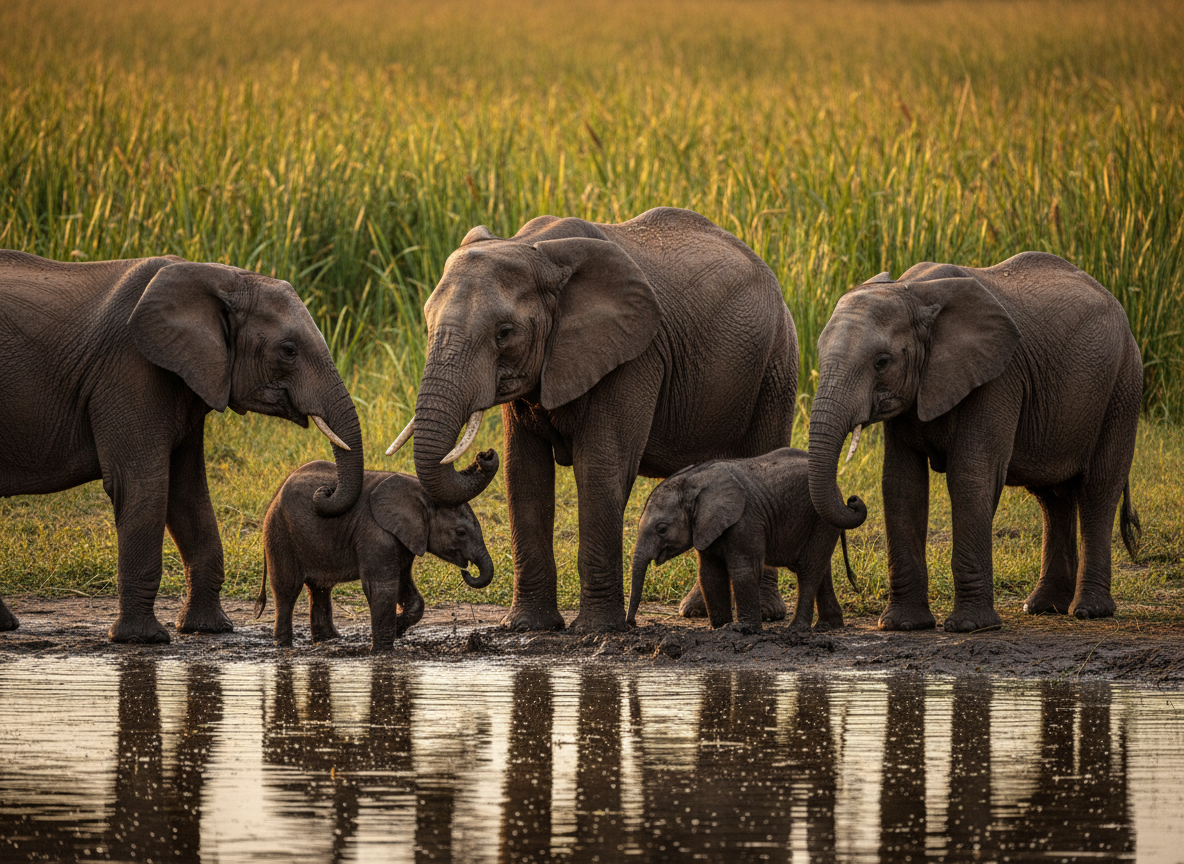
Family herds are often the heart of the Amboseli elephant experience.
Why:
- the population is long studied
- matriarch-led groups are behaviorally rich
- calves, teenagers, and older females create layered scenes
- guests can often watch real social life rather than only a passing animal
This is why Amboseli works so well for:
- first-time elephant lovers
- families
- naturalists
- photographers who want narrative rather than only scale
At Trunktrails Safaris, family herds are often what turn a simple elephant sighting into a memorable safari.
Why Big Tuskers Have Such Strong Pull
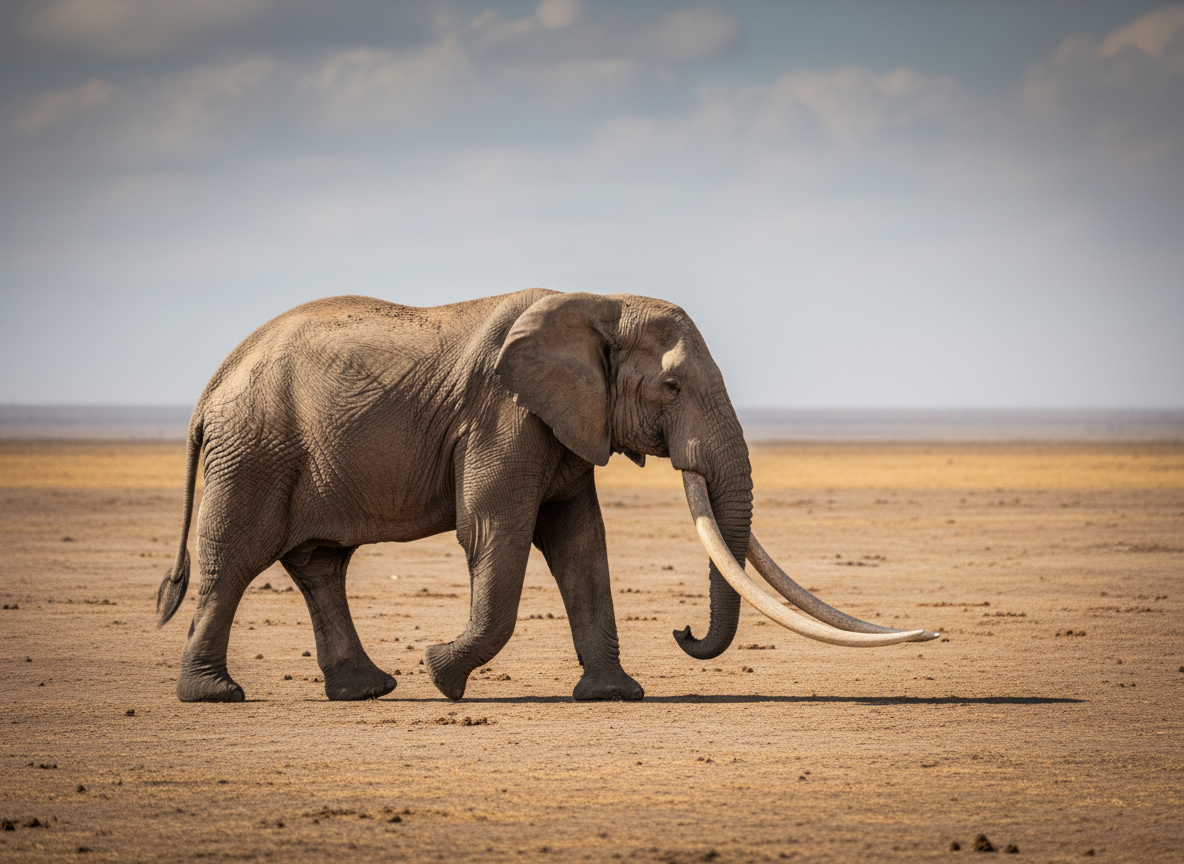
Big tuskers represent something different.
They offer:
- rarity
- weight and scale
- a sense of witnessing an older era of African elephants
- powerful standalone photographic subjects
When a major bull appears in open Amboseli country, the emotional effect is immediate. Even experienced safari travellers often treat that as one of the great moments of the trip.
Family Herds vs Big Tuskers for Photography
Family herds are better for:
- storytelling
- calf behavior
- relationships and interaction
- layered compositions
Big tuskers are better for:
- singular portraits
- power and shape
- dramatic minimalist frames
- “one animal owns the landscape” images
That is why photographers often know their preference very quickly. They are either looking for narrative or iconography.
Family Herds vs Big Tuskers for First-Time Travellers
Family herds usually win.
Why:
- they are easier to appreciate emotionally
- they are more consistently part of the Amboseli experience
- they teach elephant behavior naturally
Big tuskers still matter, but first-time travellers often get more depth from family herds because the viewing is richer and less dependent on a single high-drama sighting.
Family Herds vs Big Tuskers for Repeat Safari Guests
This is where big tuskers often become more important.
Repeat guests may already know:
- what elephant family scenes feel like
- how to read matriarch and calf behavior
So they begin seeking:
- older bulls
- stronger tusk character
- more specialized elephant moments
That is why many serious elephant travellers eventually lean harder toward big-tusker hopes.
Family Herds vs Big Tuskers for Behavior Viewing
Family herds clearly win.
Why:
- there is more social interaction
- there are more age classes
- you can watch learning, discipline, protection, and movement decisions
If the guest wants to understand elephants rather than only admire them, family herds are usually the better answer.
Family Herds vs Big Tuskers for Rarity
Big tuskers win easily here.
Why:
- a true giant-tusked bull is always more special than a routine herd sighting
- their visual effect is immediate
- their scarcity adds weight to the moment
That does not make herds ordinary. It just means rarity is not their main value. Their value is richness and repeatability.
Which Elephant Experience Works Better on a Short Safari
Family herds usually do.
Why:
- they are a more dependable part of the safari
- they provide multiple satisfying encounters
- they do not ask the traveller to build the whole trip around one rare bull
On a short safari, Trunktrails Safaris usually treats big tuskers as a thrilling bonus rather than the core expectation.
Which Elephant Experience Is More “Amboseli”
In one sense, both are deeply Amboseli.
But if forced to choose:
- family herds capture the park’s long-term elephant identity more fully
- big tuskers capture the iconic, legendary edge of the park
That is why both remain so appealing.
Which Elephant Experience Is Better for Photography Trips
Photography trips often benefit from knowing the visual goal in advance.
Family herds are stronger when the photographer wants:
- relationships
- calf interaction
- layered family scenes
Big tuskers are stronger when the photographer wants:
- one commanding subject
- clean portrait frames
- a rarer, more iconic image
This is why Trunktrails Safaris often asks photographers whether they want behavior or monumentality before shaping the elephant brief.
Which Elephant Experience Is Better for a First Amboseli Visit?
For most first-time guests, family herds remain the better answer because they explain the park more fully. Guests come away with a sense of elephant society, not only elephant size.
Big tuskers still matter deeply, but they work best as a thrilling bonus layered onto an already rich elephant safari.
How Trip Length Changes the Comparison
On a short safari, family herds usually create the stronger overall experience because they are more dependable and give repeated satisfaction across multiple drives.
On a longer safari, the big-tusker hope becomes easier to defend because:
- there is more time
- the guest is not depending on one rare sighting
- the safari can absorb both behavior and rarity in the same trip
Quick Comparison: Elephant Family Herds vs Big Tuskers in Amboseli
| Factor | Family Herds | Big Tuskers |
| Behavioral depth | Strong | Moderate |
| Emotional storytelling | Strong | Moderate |
| Rarity and drama | Moderate | Strong |
| Best for first-timers | Strong | Moderate |
| Best for iconic portrait photography | Moderate | Strong |
| Best for repeat observation | Strong | Moderate |
The Trunktrails View
At Trunktrails Safaris, we usually recommend:
- family-herd focus for first-time guests, naturalists, and anyone who wants the deepest elephant experience
- big-tusker focus for repeat guests, icon hunters, and photographers chasing a singular moment
That is why the question matters so much. It is not about better elephants. It is about better fit.
Final Decision Rule
Choose family herds if you want to understand elephants.
Choose big tuskers if you want to be stunned by them.
Choose both if elephants are the heart of your Kenya safari.
Ready to Plan Your Kenya Safari? Talk to Trunktrails Safaris
Trunktrails Safaris designs tailor-made tours and safaris for every traveller and every budget. If you are deciding between an Amboseli elephant safari focused on family herds or big tuskers, we can match the right season, guide style, and trip structure to the type of elephant experience you want most.